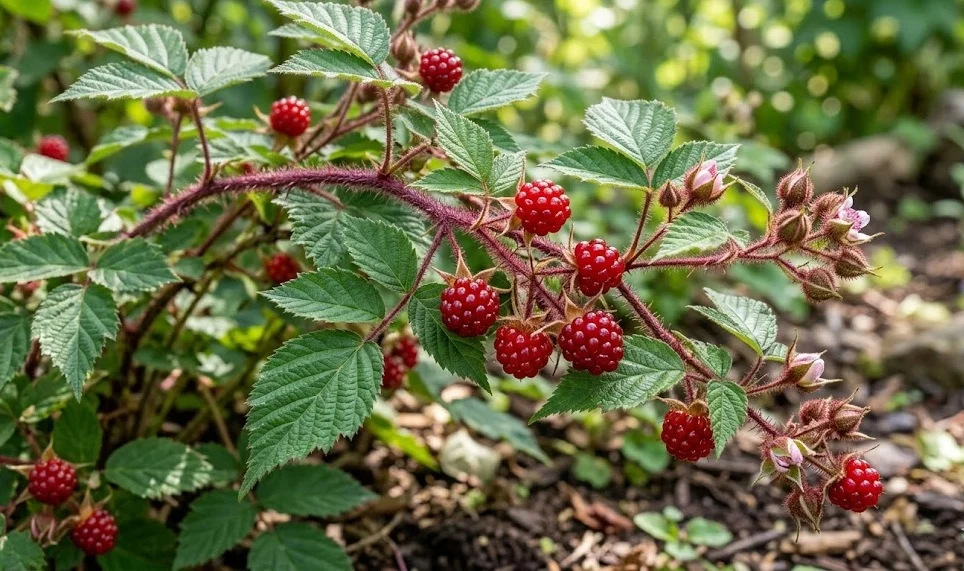

Success with Japanese wineberry begins with a well-considered planting strategy and a deep understanding of its reproductive capabilities. This species is known for its remarkable vigor, which can be both a blessing for the grower and a challenge for the surrounding landscape. By selecting the right site and using the most effective propagation techniques, you can establish a healthy patch that yields fruit for many years. Proper initial placement ensures the plant has the room it needs to expand without becoming an invasive nuisance in your garden.
Selecting the ideal planting site
The first step in establishing a wineberry patch is finding a location that balances sunlight with protection from the harshest environmental elements. While these plants can tolerate some shade, they produce the most flavorful and abundant fruit when grown in full sun. You should look for a spot that receives at least six to eight hours of direct light during the peak growing season. A site with good air circulation is also vital for preventing the development of mildew and other moisture-related issues.
Soil quality at the chosen site will determine the speed at which your new plants become established and start producing fruit. The ideal soil is a deep, loamy earth that holds moisture well but allows excess water to drain away freely from the roots. You should avoid low-lying areas of the garden where water tends to collect after a heavy rainstorm. If your soil is naturally poor or sandy, incorporating a large amount of organic matter will provide the necessary structure and nutrients.
Consider the surrounding landscape and the ultimate size of the mature wineberry when choosing its permanent home. These plants can reach a height and width of several meters if left unmanaged, so they need plenty of space to breathe. It is often wise to plant them near a fence or a sturdy trellis that can support their arching growth habit. Avoid planting them too close to delicate ornamental species that might be easily overwhelmed by the wineberry’s rapid growth.
Accessibility for harvesting and maintenance should also play a role in your final site selection process. You will need enough room to move around the plants with pruning shears and picking baskets without getting caught on the thorny stems. Placing the patch near a water source will make the essential task of irrigation much more convenient during the hot summer months. A well-placed berry patch becomes a functional and beautiful part of the overall garden design rather than an isolated corner.
More articles on this topic
Professional planting techniques
The best time to plant new wineberry specimens is in the early spring while they are still in a dormant state. Planting during this window allows the roots to settle into their new environment before the energy-intensive process of leafing out begins. You can also plant in the late autumn after the leaves have fallen, provided the ground has not yet frozen. Ensuring the plant is dormant reduces the shock of transplanting and leads to a higher survival rate.
When you are ready to plant, dig a hole that is significantly wider and slightly deeper than the existing root ball of the nursery plant. Loosening the soil at the bottom and sides of the hole helps the young roots penetrate the surrounding earth more easily. You may want to mix some aged compost or a small amount of bone meal into the backfill soil to provide an initial boost. Avoid using high-nitrogen fertilizers at this stage, as they can burn the sensitive new roots.
Carefully place the plant in the center of the hole, ensuring that the crown—where the stems meet the roots—is level with the soil surface. Planting too deep can cause the crown to rot, while planting too shallow can lead to the roots drying out prematurely. Once the plant is in position, fill the hole with soil and firm it down gently with your hands to remove any large air pockets. Watering the plant thoroughly immediately after planting helps settle the soil and provides much-needed hydration.
Finally, apply a thick layer of organic mulch around the base of the newly planted shrub to conserve moisture and suppress weeds. Materials like wood chips, straw, or shredded bark work well for this purpose and will slowly improve the soil over time. Keep the mulch a few centimeters away from the stems to prevent moisture from sitting against the bark, which can lead to disease. This protective layer acts as a buffer against temperature extremes while the plant focuses on establishing its root system.
More articles on this topic
Propagation by tip layering
One of the most effective and natural ways to expand your wineberry collection is through a process known as tip layering. In the late summer, the long, flexible primocanes naturally arch over and the tips often begin to seek out the soil. By intentionally burying the tip of a healthy cane a few centimeters deep in the earth, you can encourage it to grow roots. This method takes advantage of the plant’s inherent desire to spread and requires very little specialized equipment.
To ensure success, choose a vigorous cane that is long enough to reach the ground without being under extreme tension. Use a small trowel to make a shallow hole and pin the tip of the cane into the soil using a piece of U-shaped wire. You should cover the tip with a mixture of garden soil and compost to provide a nutrient-rich environment for the new roots. Keeping this area consistently moist is critical for the development of a strong root system over the following months.
By the following spring, the buried tip should have developed enough roots to survive as an independent plant. You can check for progress by gently tugging on the cane to see if it feels firmly anchored in the ground. If the roots are well-established, simply cut the cane from the parent plant about twenty centimeters above the soil level. The new plant can then be carefully dug up and moved to its permanent location in the garden.
This propagation technique is highly reliable because the young plant remains connected to the mother plant while its roots are forming. It receives a constant supply of water and nutrients during the most vulnerable stage of its development. Tip layering allows you to create many new plants every year without the need for a greenhouse or specialized rooting hormones. It is a cost-effective way to fill a large area with productive wineberry bushes in a relatively short amount of time.
Root cuttings and offsets
Another professional method for increasing your stock of Japanese wineberry is the use of root cuttings during the dormant season. This technique involves digging up a portion of the root system and cutting sections of healthy, pencil-thick roots. These sections, usually about ten centimeters long, are then buried horizontally in pots filled with a sterile seed-starting mix. When kept in a cool but frost-free environment, these root segments will eventually produce new shoots and roots.
Offsets, or “suckers,” that naturally emerge from the base of the parent plant are also excellent candidates for propagation. These are essentially miniature versions of the adult plant that already have their own small root systems started. In the early spring, you can use a sharp spade to sever the connection between the offset and the main crown. Digging up these small plants carefully ensures that you preserve as much of their root mass as possible for the transplanting process.
When working with root cuttings or offsets, it is important to maintain high standards of hygiene to prevent the spread of soil-borne diseases. Always use clean, sharp tools and sterile potting media if you are starting the plants in containers. Labeling your new plants with the date and variety is a good practice for any serious gardener tracking their progress. Once the young plants show strong top growth and a robust root system, they can be hardened off and planted outdoors.
The success of these methods depends largely on providing the right balance of moisture and temperature during the rooting phase. Cuttings should be kept moist but never soggy, as excess water will cause the root segments to rot before they can sprout. Providing a small amount of bottom heat can sometimes speed up the process, but it is not strictly necessary for this hardy species. With a bit of patience, you can turn a single wineberry bush into a thriving plantation using these simple propagation skills.