
Mastering the art of pruning is perhaps the most important skill for anyone wishing to maintain a productive and manageable Japanese wineberry patch. Because of its biennial fruiting cycle and vigorous growth habit, this shrub requires a structured approach to cutting back and thinning. A professional pruning routine not only maximizes the fruit yield but also ensures the long-term health and structural integrity of the plant. By understanding which canes to remove and when to do so, you can turn a wild thicket into a high-yielding garden feature.
Timing the prune and initial cleanup
The most critical window for major pruning occurs in the late winter or very early spring, while the plant is still in its dormant state. During this time, the lack of leaves allows you to see the structure of the canes clearly and make informed decisions about which wood to remove. Pruning before the sap begins to flow minimizes the stress on the plant and reduces the risk of attracting pests to fresh wounds. It is also much easier to handle the stems before they are covered in new, sticky foliage.
The first step in a professional pruning session is to remove the “Three Ds”: wood that is dead, damaged, or diseased. These canes are easy to spot, as they often appear brittle, discolored, or have obvious signs of fungal infections or physical breaks. Removing these problematic stems immediately improves the overall health of the shrub and prevents issues from spreading to the healthy growth. This initial cleanup stage clears the way for the more strategic thinning and shaping that follows.
You should also look for any canes that are growing in undesirable directions, such as toward the ground or into a walkway. These “errant” stems are unlikely to produce high-quality fruit and can make the patch difficult to manage and harvest. Cutting them back to the base of the plant keeps the wineberry contained within its designated space and maintains a professional appearance. This phase of the process is about establishing boundaries and ensuring the plant remains a functional part of the garden.
Finally, take a moment to step back and assess the overall density of the shrub before proceeding with the more detailed work. A wineberry that is too thick will have poor airflow and will struggle to ripen its inner fruit, leading to lower quality harvests. The goal of the initial cleanup is to open up the plant and prepare it for the specialized pruning that its biennial cycle requires. With a clear view of the healthy canes, you are ready to manage the fruiting potential of the coming season.
More articles on this topic
Thinning out canes for vigor
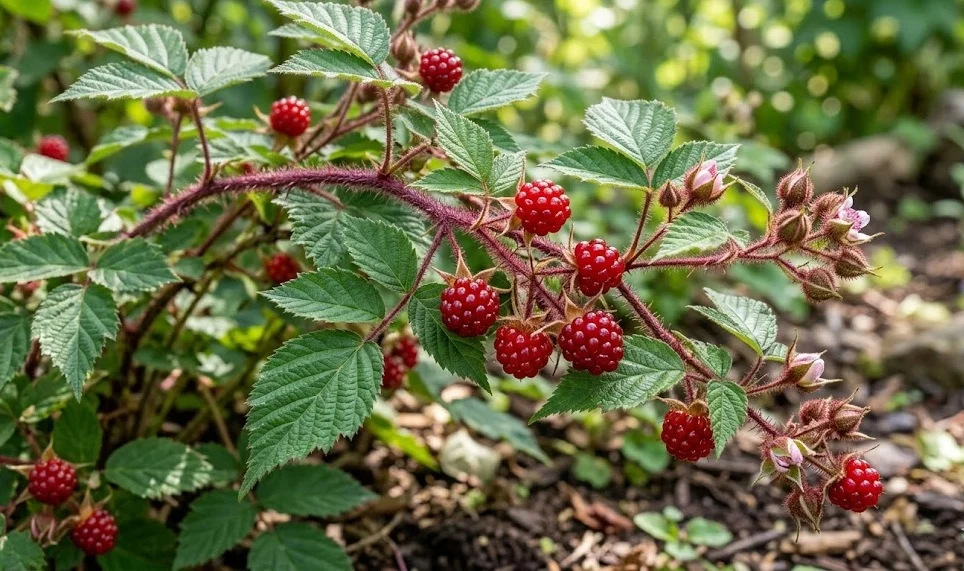
The Japanese wineberry produces fruit on “floricanes,” which are the stems that grew the previous year and have now matured. At the same time, it is constantly pushing up new “primocanes” that will bear fruit in the following year. A professional pruning strategy involves thinning out these new canes to ensure that the plant does not become overcrowded. You should aim to keep only the strongest and most vigorous primocanes, typically leaving about six to eight per plant.
When selecting which new canes to keep, look for those that have a thick diameter at the base and show robust, healthy growth. These “prime” stems will have the most energy to produce a heavy crop of berries when they reach their second year. Thinner, weaker canes should be removed entirely by cutting them off as close to the crown as possible. This thinning process directs the plant’s resources into the best wood, resulting in larger and more flavorful fruit.
Spacing the remaining canes evenly across your trellis or support system is another key aspect of professional thinning. You want to avoid “crowding” where several canes are tied too closely together, as this creates a pocket of stagnant air and shade. By fan-spreading the selected stems, you maximize their exposure to sunlight and ensure that every berry cluster has room to develop. This organized structure also makes it much easier to spot and treat any potential pest or disease issues.
Regular thinning also encourages the plant to develop a deeper and more resilient root system by preventing it from overextending its top growth. A plant with fewer, higher-quality canes is often more drought-tolerant and less susceptible to environmental stress than one with dozens of weak stems. This focus on “quality over quantity” is the hallmark of an expert berry grower who understands the long-term needs of the shrub. By being selective in your pruning, you are investing in the future health and productivity of your patch.
More articles on this topic
Managing the fruit-bearing cycle
Once the summer harvest is complete, the floricanes that produced the fruit will naturally begin to turn brown and die back. These spent canes will never fruit again and should be removed to make room for the new growth that is already developing. Cutting these old canes back to the ground immediately after harvest is a professional technique that keeps the patch clean and vigorous. It also removes a potential source of disease and pests that might try to overwinter in the old wood.
As you remove the old fruiting wood, be very careful not to damage the green primocanes that are growing alongside them. These new stems are the lifeblood of next year’s crop and must be handled with care to avoid breaking their tips or scarring their bark. Using sharp, clean bypass pruners allows you to make precise cuts in the often-crowded crown of the plant. This “post-harvest cleanup” is one of the most rewarding parts of the wineberry cycle, as it reveals the potential for the following season.
In some cases, you may want to “tip” or head back the new primocanes once they reach a certain height, usually around two meters. Cutting off the tips of these long canes encourages them to produce lateral branches, which increases the total amount of fruiting wood for the next year. These side branches will be the locations where the flower clusters emerge, so more laterals typically mean a more abundant harvest. Tipping also makes the plant more manageable and easier to secure to a trellis.
Consistent management of this biennial cycle is the only way to prevent a wineberry patch from becoming an impenetrable and unproductive thicket. By staying on top of the pruning tasks each season, you maintain a steady “conveyor belt” of fruiting wood. This rhythmic approach to care ensures that you are always one step ahead of the plant’s vigorous growth. A well-managed wineberry is a joy to work with, providing a predictable and bountiful harvest year after year.
Post-harvest cleanup and tool care
The final stage of the pruning process involves the responsible disposal of the removed plant material and the maintenance of your equipment. Because wineberry canes are often covered in small prickles and sticky hairs, they can be difficult to handle once they are cut. You should gather the prunings immediately and either burn them or dispose of them in a way that prevents any pests or diseases from returning to the garden. Avoid adding large quantities of wineberry canes to a cold compost pile, as they can take a long time to break down and may still harbor pathogens.
Keeping your pruning area clean and free of debris is more than just a matter of aesthetics; it is a fundamental part of garden hygiene. Fallen leaves and small bits of stems can provide a hiding place for overwintering insects or a reservoir for fungal spores. A quick rake around the base of the plants after you finish pruning can significantly reduce the risk of future outbreaks. A tidy workspace also makes it easier to apply mulch or fertilizer to the soil after the pruning is complete.
After a heavy pruning session, your tools will likely be covered in the sticky, reddish sap that is characteristic of the Japanese wineberry. It is essential to clean your blades thoroughly with warm soapy water or a specialized tool cleaner to remove this residue. Once clean, wipe the metal parts with a disinfectant like rubbing alcohol to ensure you aren’t carrying any bacteria or fungi to your next task. This simple habit protects your entire garden and keeps your tools in top working condition.
Finally, take the time to sharpen your pruners and loppers before storing them away for the next season. Dull tools crush the stems rather than cutting them cleanly, which leads to jagged wounds that are slow to heal and prone to infection. A sharp blade makes the work faster and more enjoyable, allowing you to move through your pruning tasks with professional efficiency. By caring for your tools and your plants with equal attention, you ensure that your gardening practices remain at the highest level of expertise.