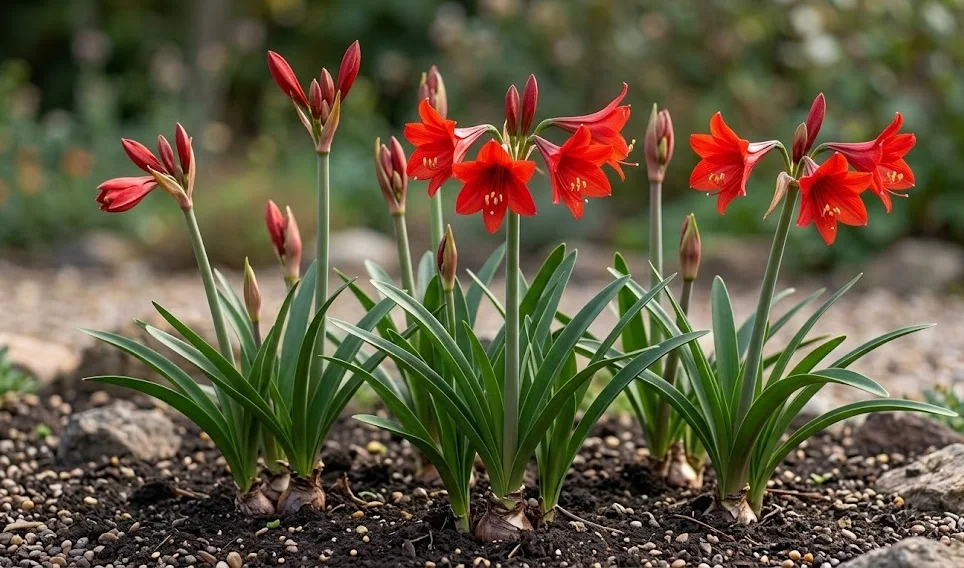

Providing proper care for the scarborough lily requires a deep understanding of its South African origins and natural habitat. This bulbous perennial thrives when its specific environmental triggers are met with precision and patience. You must recognize that the plant operates on a distinct seasonal clock that dictates its growth and rest. Establishing a stable routine will ensure that the vibrant red blooms appear reliably year after year.
The fundamental aspect of caring for this plant involves maintaining a balance between moisture and drainage. Bulbs are particularly sensitive to stagnant water which can lead to rapid decay of the root system. You should always use a high-quality potting mix that allows for rapid aeration while retaining some moisture. Monitoring the soil texture is the first step toward ensuring a long-lasting and healthy specimen in your collection.
Temperature stability plays a crucial role in the overall development of the foliage and the eventual flower spike. These plants generally prefer moderate temperatures during their active growing season to avoid heat stress. If the environment becomes too hot, the plant may enter a premature dormancy or the leaves might begin to yellow. Providing a cool but frost-free environment is the secret to maintaining the vigor of the scarborough lily throughout the year.
The aesthetic appeal of the lily depends heavily on the health of its strap-shaped, dark green leaves. Dusting the leaves periodically allows the plant to perform photosynthesis more efficiently and keeps it looking pristine. You should avoid using leaf shine products as these can clog the pores and hinder the natural respiration of the plant. A simple damp cloth is usually sufficient to keep the foliage in top condition for the entire season.
Choosing the right growing medium
The selection of a growing medium is the foundation of success when cultivating this specific bulbous species. You should seek out a mixture that combines organic matter with inorganic components like perlite or coarse sand. This combination ensures that the roots have access to nutrients while preventing the compaction of the soil. A well-structured medium will support the bulb firmly without suffocating the delicate root hairs that emerge during growth.
More articles on this topic
Maintaining an acidic to neutral pH level in the soil is essential for the optimal uptake of minerals. You can test the soil periodically to ensure it stays within the range of 6.0 to 7.0 for the best results. If the soil becomes too alkaline, the plant may exhibit signs of chlorosis or stunted growth over time. Adding a small amount of peat moss can help maintain the desired acidity level for several growing seasons.
Organic content should be well-decomposed to prevent the introduction of pathogens or unwanted pests into the pot. Composted bark or high-quality leaf mold provides a slow release of essential micronutrients that the plant needs. You must ensure that the organic matter does not hold so much water that it becomes soggy. Balancing the water-holding capacity with structural integrity is a skill that comes with experience and observation.
The container itself should have multiple drainage holes to facilitate the exit of excess water after each irrigation. Terracotta pots are often preferred because they allow the soil to breathe and moisture to evaporate through the walls. If you choose plastic pots, you must be even more diligent about checking the moisture levels before adding water. The interaction between the pot material and the soil medium determines the frequency of your care routine.
Environmental triggers for blooming
Inducing a spectacular bloom requires a period of relative rest followed by a change in environmental conditions. The scarborough lily often responds to a slight decrease in temperature and a reduction in watering during the late autumn. This rest period allows the bulb to store energy specifically for the production of the next flower stalk. Without this physiological trigger, the plant may continue to produce leaves but fail to flower for several years.
More articles on this topic
When the flower stalk begins to emerge, you should move the plant to a location with slightly higher humidity. Dry indoor air can sometimes cause the flower buds to blast or fail to open fully once they appear. Using a pebble tray or a room humidifier can provide the necessary moisture without wetting the foliage directly. Observation during this critical stage is vital to ensure the flowers reach their full potential and longevity.
The duration of the blooming period can be extended by keeping the plant in a cooler spot once the flowers open. High temperatures will cause the blooms to fade quickly and reduce the overall display time of the lily. You should avoid placing the flowering plant near heat sources or in direct paths of cold drafts from air conditioners. A stable and cool environment preserves the intensity of the red pigment in the petals.
Once the flowering cycle is complete, the plant needs a transition period to return to its vegetative state. You should remove the spent flower stalk by cutting it near the base of the bulb to prevent seed formation. This allows the plant to redirect its resources back into the bulb for future growth cycles. Proper post-bloom care is just as important as the preparation for the blooming phase itself.
Humidity and air circulation
While the scarborough lily is quite adaptable, it truly thrives in environments with moderate humidity levels. In many modern homes, the air can become excessively dry, which may lead to brown leaf tips over time. You can mitigate this by grouping plants together to create a small microclimate with higher moisture content. Professional growers often use misting systems to maintain a consistent level of humidity during the hottest parts of the day.
Proper air circulation is equally important to prevent the buildup of fungal spores on the leaves and soil surface. Stagnant air creates a breeding ground for various pathogens that can quickly compromise the health of the bulb. You should ensure that there is a gentle movement of air around the plant without causing a direct draft. Opening a window or using a small fan can significantly improve the health of your indoor garden setup.
In greenhouse settings, monitoring humidity becomes a technical task that requires careful management of ventilation. High humidity combined with low light can lead to soft, leggy growth that is prone to physical damage. You must find the “sweet spot” where the air feels fresh and moist but not heavy or oppressive. Adjusting the ventilation based on the external weather conditions is a hallmark of an expert gardener.
During the winter months, air circulation helps to prevent the soil from remaining wet for too long. Since the plant is less active, it cannot process water as quickly as it does in the summer. Moving the air helps the surface of the soil dry out, which reduces the risk of crown rot. Always prioritize a well-ventilated space when choosing a permanent home for your scarborough lily.
Managing the growth cycle
Understanding the annual rhythm of the plant is the key to long-term success and healthy bulb development. The scarborough lily typically has a peak growing season where it produces several new leaves in quick succession. During this time, you must provide consistent support in terms of light, water, and nutritional inputs. Neglecting the plant during its active phase can result in a smaller bulb that lacks the energy to flower.
As the growing season winds down, you will notice a natural slowing of new leaf production. This is a sign that the plant is preparing for its semi-dormant or rest phase in the cooler months. You should not be alarmed if the older leaves begin to wither and turn yellow as part of the natural cycle. Simply remove the dead foliage to keep the plant tidy and to reduce the risk of pests hiding in the debris.
Professional care involves tracking these cycles year after year to predict the plant’s needs before they become urgent. Keeping a garden journal can help you remember when the plant last flowered or when it was last repotted. This data allows you to make informed decisions about when to increase fertilization or when to start the drying-down process. Consistency is the most valuable tool in the kit of any serious collector of bulbous plants.
Resting the plant does not mean total neglect, as the roots still need a very small amount of moisture to stay alive. You should check the bulb occasionally to ensure it remains firm and healthy throughout the dormant period. A soft or shriveled bulb indicates a problem with either too much or too little moisture during the rest. Balancing these subtle needs is what separates a beginner from a true horticultural expert.
Potting and root management
The scarborough lily actually prefers to be slightly root-bound to produce the most abundant flowers. Frequent repotting can disturb the sensitive root system and cause the plant to skip a flowering season entirely. You should only consider moving the plant to a larger container when the bulbs are crowded and pushing against the sides. A tight fit encourages the plant to put its energy into reproduction rather than just expanding its root mass.
When the time for repotting finally arrives, you should handle the bulbs and roots with extreme care. The fleshy roots are brittle and can snap easily, providing an entry point for soil-borne diseases. It is best to repot the plant during the early spring just as the new growth cycle is beginning to stir. This timing allows the roots to establish themselves quickly in the fresh medium before the heat of summer arrives.
Choosing a pot that is only one size larger than the previous one is a standard professional recommendation. An oversized pot holds too much soil, which can retain moisture for a duration that is dangerous for the bulb. You should ensure that the neck of the bulb remains slightly above the soil line after the repotting process. Burying the bulb too deeply can lead to rot and may prevent the flower stalk from emerging properly.
After repotting, you should water the plant sparingly until you see signs of new growth. This allows any damaged roots to heal in the dry soil before being exposed to moisture and potential pathogens. Placing the plant in a shaded, protected spot for a week or two will help it recover from the stress of the move. Once established, you can return it to its usual bright location and resume your regular care routine.
Seasonal transitions
The transition from the outdoor summer environment to the indoor winter space must be handled with care. If you move the plant too abruptly, it may suffer from environmental shock and drop its leaves. You should gradually acclimatize the lily by moving it to a more shaded and sheltered area before bringing it inside. This process helps the plant adjust to the lower light levels and different humidity of the indoor environment.
During the spring, the reverse transition requires equal attention to avoid scorching the tender new foliage. You should slowly introduce the plant to increasing levels of sunlight over a period of ten to fourteen days. Start with a few hours of morning sun and gradually move it to its final summer position in the garden or on the patio. This hardening-off process is essential for maintaining the integrity of the leaves and the health of the bulb.
Autumn transitions often involve a decrease in both light intensity and temperature, signaling the plant to slow down. You should begin to reduce the frequency of watering as the days grow shorter and the air becomes cooler. This natural progression helps the plant enter its rest phase without the stress of a sudden change in care. Monitoring the weather forecasts for early frosts is critical to protect the lily from permanent damage.
By respecting the seasonal needs of the scarborough lily, you ensure its longevity and vitality for many years. Each season brings a different set of challenges and rewards for the dedicated gardener. Understanding how to navigate these changes is the essence of professional horticultural practice. Your reward will be a stunning display of color that marks the passing of the seasons in your home.