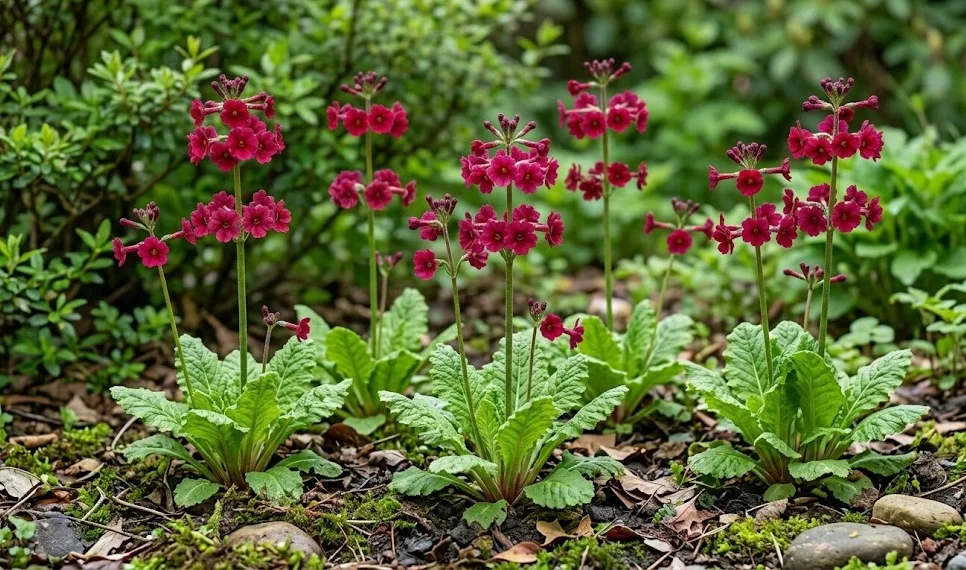

Finding the perfect balance of light and shadow is one of the most critical aspects of successfully growing these magnificent moisture-loving flowers. While they are often described as shade plants, the reality is a bit more nuanced and depends heavily on your local climate and soil conditions. They are essentially woodland edge plants that have adapted to a specific type of light that is both bright and cooling. By understanding these requirements, you can position your plants so they produce the most vibrant colors and the sturdiest stems.
The ideal light conditions
In most garden settings, dappled shade is the absolute gold standard for these perennials, providing the perfect mix of energy and protection. This type of light occurs under the canopy of deciduous trees or through a trellis where the sun filters through in a moving pattern. It allows the plants to photosynthesize effectively without being subjected to the direct, burning rays of the midday sun. Under these conditions, the foliage remains a deep, healthy green and the flower colors stay true and vibrant.
If you live in a cooler, northern climate with higher humidity, these plants can actually tolerate a bit more direct sunlight than they could in the south. In these areas, a spot with morning sun and afternoon shade can work very well, as the morning light is less intense and the air is still cool. However, you must be even more diligent about watering if the plants are exposed to direct light, as they will lose moisture much faster. The goal is to provide enough light for strong growth without ever letting the plant feel the heat of the sun.
Complete, deep shade is usually not ideal because it can lead to weak, leggy growth and fewer flowers over time. While the plants will certainly survive in a dark corner of the garden, they will never reach their full potential or produce those spectacular tiered displays. You should look for a spot that feels “bright” even if it doesn’t receive any direct sunlight at all. Reflective light from a white wall or a light-colored fence can also help brighten up a shaded area and provide the energy the plants need.
You should also consider how the light levels in your garden change throughout the seasons as the trees leaf out and the sun’s path moves. A spot that is perfectly shaded in the summer might be in full, harsh sun in the early spring before the canopy has developed. Since these plants start their growth very early, you may need to provide some temporary shade during those bright spring days. Observation and flexibility are key to managing the light requirements of your garden throughout the entire year.
More articles on this topic
Managing summer sun protection
The peak of summer is the most challenging time for these plants, as the high temperatures and intense light can quickly lead to leaf scorch. You will know if your plants are getting too much sun if the edges of the leaves start to turn brown and crispy or if the overall color becomes pale. In extreme cases, the leaves may even wilt during the day only to recover in the evening when the sun goes down. This is a sign of light stress and indicates that the plant needs more protection or more water.
If you find that a particular spot is too sunny during the summer, you don’t necessarily have to move the plants immediately. You can create temporary shade using garden umbrellas, shade cloth, or even by strategically placing taller potted plants nearby. This can provide the necessary relief during the hottest weeks of July and August while you decide on a more permanent solution. Sometimes, just a few hours of extra shade during the afternoon is all it takes to keep them happy.
Mulching plays a secondary but important role in managing light stress by keeping the root zone cool even when the sun is hitting the leaves. A thick layer of organic mulch prevents the soil from heating up, which helps the plant maintain its internal water balance more effectively. When the roots are cool and hydrated, the leaves are much better at handling a bit of extra light without suffering damage. It is a holistic approach to plant comfort that addresses both the light and the temperature of the environment.
Long-term solutions for sun protection involve planting taller companion plants that can provide a natural canopy for your primroses. Ferns, larger hostas, or small shrubs can be positioned to block the harshest rays of the sun while still allowing plenty of light to reach the area. This layered approach to planting creates a more stable and resilient microclimate that benefits all the residents of the shade garden. Designing with light and shadow in mind is one of the most creative parts of gardening.
More articles on this topic
Identifying light-related growth issues
Monitoring the shape and vigor of your plants will tell you a lot about whether they are receiving the right amount of light. If the flower spikes are leaning heavily in one direction, it is a clear sign that they are searching for more light. This usually happens in deep shade or when the plants are positioned too close to a large structure like a house or a solid fence. You can try to prune back overhanging branches or move the plants slightly to a brighter location to correct this.
Conversely, plants that are getting too much light often have a very compact, almost stunted appearance with smaller than average leaves. The colors of the flowers may also fade more quickly, turning from a deep magenta to a washed-out pink within a few days of opening. If you notice these symptoms, it is a strong indication that the plant is working too hard to protect itself from the sun. Moving it to a shadier, cooler spot will usually lead to a dramatic improvement in its appearance and health.
The color of the foliage is another excellent indicator of light health that you should check regularly throughout the season. Deep, lush green leaves suggest that the light levels are just right, while yellowing or “bleaching” of the leaves can indicate too much sun. Some varieties have naturally lighter or darker foliage, so it is important to know what is normal for your specific plants. Comparing them to others in different parts of your garden can help you calibrate your understanding of their needs.
Finally, remember that light and water are inextricably linked in the life of these moisture-loving perennials. A plant in a sunnier spot will always need more water than one in a deep shade, so you must adjust your care routine accordingly. If you can’t provide the perfect shade, you must compensate by providing even more consistent and deep hydration. Mastering this balance is the secret to growing beautiful and resilient plants in any garden environment.