
Protecting your plants from health issues is an essential skill for any gardener who wants to maintain a pristine and thriving landscape. These moisture-loving perennials are generally quite hardy, but the very environments they love can also foster certain types of problems. High humidity and damp soil are the perfect breeding grounds for various fungi and specialized pests that can damage foliage and flowers. By staying vigilant and taking proactive measures, you can keep your garden safe and beautiful throughout the entire year.
Managing fungal diseases
Powdery mildew is one of the most common fungal issues you might encounter, appearing as a white, dusty coating on the leaves. This usually happens when the air is humid but stagnant, especially in crowded garden beds where air circulation is poor. You can prevent this by ensuring your plants are spaced properly and by avoiding overhead watering that keeps the foliage wet for too long. If it does appear, removing the most affected leaves and using a mild organic fungicide can help control the spread.
Crown rot is a much more serious condition that can quickly kill an otherwise healthy plant if the conditions are too wet and cold. This fungal disease attacks the base of the plant, causing the leaves to turn mushy and pull away easily from the rootstock. You must ensure that your soil has enough organic structure to prevent it from becoming a literal swamp during the winter months. If you see signs of rot, you should act quickly to improve drainage or move the plant to a slightly higher spot in the garden.
Leaf spot is another fungal problem that manifests as small, dark lesions on the foliage, often with a yellow halo around them. While it usually isn’t fatal, it can make the plants look unsightly and reduce their overall vigor if left untreated. You should clear away any fallen, diseased leaves at the end of the season to prevent the spores from overwintering in the soil. Keeping the area around the base of the plants clean and well-mulched can significantly reduce the risk of infection.
Botrytis, or gray mold, can sometimes affect the developing flower buds or the spent blossoms during periods of very wet weather. This fungus thrives in cool, damp conditions and can cause the flowers to turn brown and fuzzy before they have a chance to shine. You should deadhead spent flowers promptly to remove the material that the mold likes to feed on. Good hygiene in the flower bed is your best defense against this particular fungal nuisance during the peak of the blooming season.
More articles on this topic
Dealing with slugs and snails
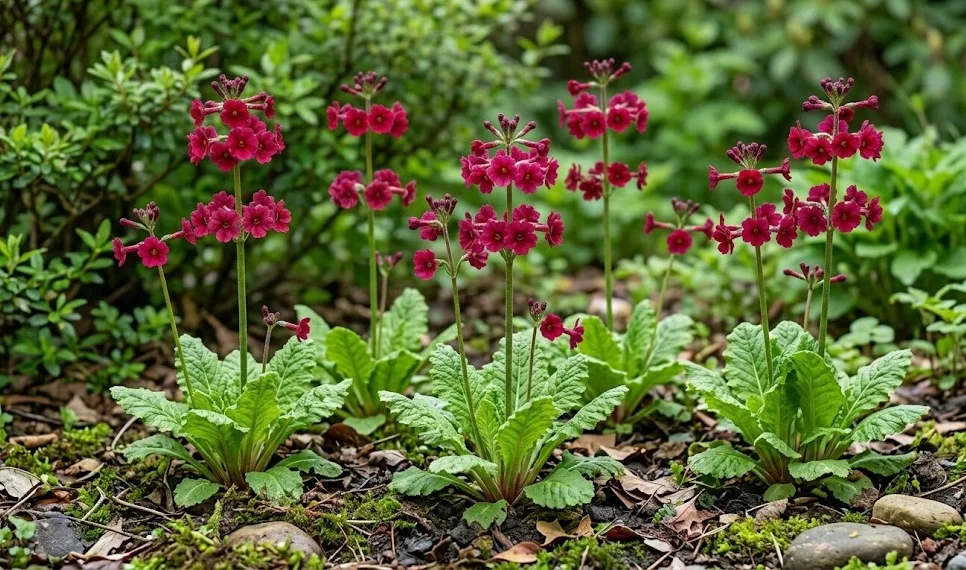
Because these primroses love damp environments, they are unfortunately a favorite target for slugs and snails. These nocturnal pests can strip the leaves of a young plant overnight, leaving behind only the stems and a tell-tale trail of slime. You must be particularly careful in the spring when the new, tender shoots are first emerging from the ground. A single large slug can do a surprising amount of damage to a developing rosette in a very short amount of time.
You can manage these pests using a variety of methods, ranging from physical barriers to organic baits that are safe for wildlife. Copper tape around the edge of pots or raised beds can create a mild electric shock that deters them from crossing. Alternatively, you can create “beer traps” which attract the slugs and drown them before they can reach your precious flowers. Many gardeners find that regular evening patrols with a flashlight are the most effective way to keep the population under control.
Encouraging natural predators in your garden is the most sustainable way to manage slug and snail populations over the long term. Frogs, toads, and ground beetles all love to feast on these pests and will help keep the ecosystem in balance if you provide them with a habitat. A small woodpile or a stone wall near your primrose bed can offer a safe haven for these helpful garden allies. Working with nature is always more effective and less stressful than fighting against it with chemicals.
Using a layer of sharp grit or crushed eggshells around the base of the plants can also make it difficult for soft-bodied pests to reach the foliage. While this method isn’t foolproof, it provides an extra layer of protection that can save your plants during the peak of the slug season. You should refresh these barriers after heavy rain to ensure they remain effective and sharp. Combined with other methods, these physical deterrents can make your garden much less inviting to hungry snails.
More articles on this topic
Identifying insect pests
Aphids are small, sap-sucking insects that can sometimes cluster on the underside of leaves or around the developing flower spikes. They can cause the foliage to become distorted or curled, and they often excrete a sticky substance called honeydew that can attract ants. You can usually manage a minor infestation by simply blasting the insects off with a strong stream of water from your garden hose. For more persistent problems, an organic insecticidal soap is a safe and effective solution that won’t harm beneficial insects.
Vine weevil larvae can be a hidden danger because they live underground and feed on the roots of the plants. You might not realize there is a problem until the plant suddenly wilts and dies despite having plenty of water. These small, C-shaped grubs are particularly problematic for plants grown in containers, where they can quickly decimate a root system. Using biological controls like nematodes is the best way to deal with vine weevils without using harsh chemical pesticides in your soil.
Spider mites can sometimes become an issue if the weather becomes unusually hot and dry for an extended period. These tiny pests are hard to see with the naked eye, but you might notice fine webbing and a stippled, yellowish appearance on the leaves. Keeping the humidity high around your plants and ensuring they are well-watered is usually enough to prevent an outbreak. If they do become a problem, regular misting of the foliage can disrupt their breeding cycle and help clear the infestation.
Root aphids are another underground pest that can stunt the growth of your primroses by feeding on the delicate root hairs. Like their above-ground cousins, they suck the life out of the plant, leading to a general decline in health and vigor. If you notice a plant that isn’t growing well despite perfect conditions, it might be worth gently lifting it to check the roots for white, waxy secretions. Improving the soil health and rotating your crops can help prevent these pests from becoming established in your garden.
Organic pest management strategies
Adopting an organic approach to pest management is better for your plants, your health, and the environment at large. Instead of reaching for a bottle of poison at the first sign of trouble, you should look for the underlying cause of the stress. Healthy plants grown in the right conditions are naturally more resilient and can often survive minor pest attacks without any intervention. Focus on building strong, vigorous specimens through proper watering, feeding, and site selection.
Companion planting is a great way to naturally deter pests and attract beneficial insects to your primrose beds. For example, planting alliums or other strong-smelling herbs nearby can confuse pests that rely on scent to find their host plants. You can also plant flowers like marigolds or calendula to attract hoverflies and ladybugs, which are voracious predators of aphids. Creating a diverse and balanced garden environment is the best way to prevent any single pest from becoming a major problem.
Regular inspection of your plants is the most important part of any pest management strategy, regardless of the methods you use. You should get into the habit of looking under the leaves and checking the base of the flower stalks every time you water. Catching a problem in its early stages makes it much easier to deal with and prevents it from spreading to the rest of your collection. A quick and observant eye is your most powerful tool in the fight against garden pests.
Using natural sprays made from neem oil or garlic can provide a gentle but effective way to protect your plants from a variety of issues. These home-grown solutions are biodegradable and won’t leave harmful residues on your flowers or in the soil. They work by making the foliage taste bad to pests or by disrupting their ability to feed and reproduce. Always test a new spray on a small area of a single plant first to ensure it doesn’t cause any adverse reactions.
Preventive measures for health
The best way to deal with diseases and pests is to prevent them from ever getting a foothold in your garden in the first place. You should always start with healthy, disease-free plants from a reputable nursery or a trusted friend. Inspect any new additions carefully for signs of trouble before you introduce them to your existing collection. Quarantining new plants for a week or two is a simple precaution that can save you a lot of headache in the long run.
Keeping your garden tools clean and sanitized is another simple but often overlooked step in disease prevention. Fungal spores and bacteria can easily hitch a ride on your pruners or trowels as you move from one part of the garden to another. You should wipe your tools down with a mild disinfectant after each use, especially if you have been working with diseased material. This small habit prevents the unintentional spread of pathogens throughout your entire landscape.
Proper hygiene in the garden beds is essential for reducing the number of hiding places for pests and the sources of fungal spores. You should remove any dead or decaying plant matter promptly, as this is where many issues start to develop. In the autumn, a thorough cleanup of the flower beds will ensure that fewer pests have a place to overwinter near your plants. A tidy garden is not just about aesthetics; it is a fundamental part of maintaining plant health.
Finally, you should respect the natural limits of your garden and avoid overcrowding your plants to make them look fuller faster. Giving each specimen the space it needs to grow ensures that air can flow freely around the leaves and stems. This simple architectural choice is one of the most effective ways to prevent the high-humidity microclimates that fungi love. A well-planned and spacious garden is naturally more resistant to the many challenges that nature can throw at it.