
Ensuring the survival of these East Asian perennials through the harsh winter months is a critical task for any gardener in a temperate climate. While they are generally hardy and can withstand significant freezing, the combination of extreme cold and wet soil can be a dangerous mix for their dormant crowns. A professional overwintering strategy involves more than just waiting for spring; it requires a proactive approach to protecting the root system and preparing the plant for a vigorous return. By following a few key steps in the autumn, you can safeguard your investment and ensure a spectacular display the following year.
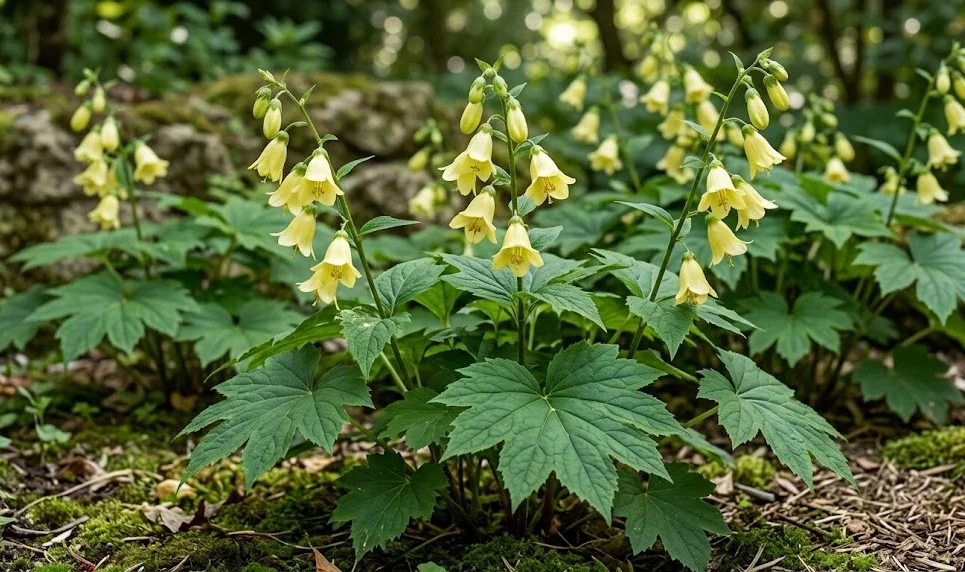
The dormancy period is a natural and necessary part of the plant’s life cycle, allowing it to rest and consolidate its energy. As the days shorten and temperatures drop in October and November, the plant gradually moves its nutrients from the leaves down into the thick, rhizomatous roots. This process is signaled by the foliage turning a lovely buttery yellow before finally withering and turning brown. It is important to let this process finish naturally, as premature cutting can deprive the plant of vital energy reserves needed for the winter.
Soil conditions during the winter are often more important than the air temperature itself when it comes to survival. These plants are susceptible to “winter wet,” a condition where the soil remains saturated and cold for long periods, leading to crown rot. Ensuring that your planting site has excellent drainage is the best way to prevent this common winter killer. In heavy clay soils, even a hardy plant can succumb to rot if it is forced to sit in ice-cold water for several months.
Protecting the physical structure of the crown from extreme temperature fluctuations and physical damage is the final pillar of a successful winter plan. While the roots are underground, the growth points for the following year are located just at or below the soil surface. A thick layer of insulating mulch acts as a thermal blanket, moderating the “freeze-thaw” cycles that can heave plants out of the ground or damage delicate buds. Proper preparation in the late autumn is the key to a stress-free spring for both the gardener and the plant.
Preparing for the first frost
The preparation for winter actually begins in late summer by gradually reducing the amount of fertilizer you provide. Late-season fertilization can encourage a flush of soft, new growth that will not have time to “harden off” before the cold weather arrives. This tender growth is easily killed by the first light frost, which can create entry points for disease and waste the plant’s energy. By allowing the plant to naturally slow its growth as autumn approaches, you are helping it prepare for the coming dormancy.
More articles on this topic
As the first frosts of the season blacken the foliage, the architectural stems will begin to collapse and lose their structure. This is a natural sight in the autumn garden and should not be a cause for concern. You can leave the dead foliage in place for a few weeks to provide a bit of natural insulation for the crown, but eventually, it should be removed to prevent it from becoming a soggy mat. Professional gardeners usually wait until the foliage is completely dry and brown before tidying up the area.
Cleaning up the surrounding garden area is a vital part of the overwintering process, as it removes potential winter homes for pests. Slugs and snails often hide under decaying leaves near the base of their favorite food plants, ready to emerge at the first sign of spring. By clearing away the debris and lightly scratching the soil surface, you can expose these pests to the cold and to hungry birds. A clean garden bed in November leads to a much healthier plant in April.
Watering should continue through the autumn if the weather is unusually dry, ensuring the plant is well-hydrated before the ground freezes. A plant that enters the winter in a state of drought is much more likely to suffer from “winter burn” or root desiccation. The goal is to have moist, but not saturated, soil when the first deep freeze arrives. Once the ground is frozen, the plant can no longer take up water, so that final reservoir of soil moisture is essential for its survival.
Mulching and root protection
Applying a fresh, thick layer of organic mulch in the late autumn is perhaps the most effective way to protect the yellow wax bells. Use materials like shredded bark, composted leaves, or pine straw, and aim for a depth of about three to four inches. This layer provides an insulating barrier that keeps the soil temperature more consistent, protecting the roots from sudden plunges in temperature. It also helps to suppress any winter-growing weeds that might compete with the plant in the spring.
More articles on this topic
The mulch should be spread widely around the plant, extending at least a foot or two beyond the visible crown to protect the entire root system. However, it is important not to pile the mulch directly against the base of the stems until they have been cut back and the plant is fully dormant. Keeping the mulch slightly away from the crown during the early autumn prevents moisture from being trapped against the living tissue, which can encourage rot. Once the ground is truly cold, you can add a final layer over the center of the plant.
In particularly cold climates, some gardeners use “evergreen boughs” or a layer of straw held in place with netting to provide extra protection. These breathable materials provide excellent insulation while still allowing for air movement and drainage. This is especially helpful if your garden is exposed to drying winter winds that can strip moisture from the soil and the dormant buds. Protecting the plant from the wind can be just as important as protecting it from the cold itself.
Marking the location of the plant is a simple but essential step in the overwintering process. Because the yellow wax bells die back completely to the ground, it is very easy to forget exactly where they are located during winter cleanup or spring planting. A small bamboo stake or a ring of stones can prevent you from accidentally stepping on the dormant crown or digging it up. Respecting the plant’s space during its invisible phase is a mark of a careful and professional gardener.
Winter dormancy management
During the heart of winter, the most important task for the gardener is to simply leave the plant alone and avoid disturbing the soil. Walking on frozen or saturated ground can cause soil compaction, which is very damaging to the delicate root systems of shade perennials. Compaction reduces the amount of oxygen available to the roots and can lead to poor growth or even death when the plant tries to wake up. Stay on the paths and let the snow and mulch do their work.
If you experience a period of mid-winter thaw, it is worth checking the garden to ensure that the mulch is still in place and hasn’t been washed away or disturbed by animals. Some birds and small mammals may scratch at the mulch looking for insects, potentially exposing the crown to the next cold snap. Gently pushing the mulch back into place is all that is usually required. This occasional monitoring ensures that the plant’s “thermal blanket” remains intact through the most dangerous parts of the season.
Managing the weight of snow can be an issue if the plant is located under the eaves of a roof or near a path where snow is shoveled. While a light layer of snow is an excellent natural insulator, a heavy, compacted pile can crush the dormant buds or lead to excessive moisture as it melts. Try to ensure that snow is distributed evenly and that the plant is not subjected to sudden, heavy dumps of ice or slush. A gentle hand with the snow shovel can prevent a lot of heartache in the spring.
Pest management continues even in the winter, as some rodents like voles may tunnel under the mulch and feed on the succulent rhizomes. If you have a known vole problem, using a wire mesh cage around the root ball at planting time is the best long-term solution. In an established garden, keeping the mulch a few inches away from the very center of the plant until the ground freezes can help deter rodents from nesting there. Observation and a few simple preventative steps go a long way in the dormant garden.
Spring revival and emergence
As the days begin to lengthen and the soil warms in late March or early April, it is time to prepare for the plant’s return. Gradually remove the thickest layers of winter mulch from the top of the crown to allow the sun to warm the soil and the new shoots to emerge. You don’t want to remove it all at once, as a late spring frost can still damage the tender new tips. A gradual thinning of the mulch over a few weeks is the safest and most professional approach.
The first sign of life is usually the appearance of thick, purple-tinted “noses” poking through the soil surface. This is an exciting moment in the gardening year, signaling that the overwintering strategy was successful. Once these shoots appear, it is important to keep a close eye on the weather forecast and be ready to cover them with a bucket or a piece of cloth if a hard frost is predicted. These early shoots are very succulent and can be easily damaged by a sudden drop in temperature.
Slugs and snails also wake up as soon as the weather warms, and they find the newly emerging shoots of the yellow wax bells to be an irresistible treat. Applying a safe, pet-friendly slug bait or setting up beer traps as soon as the first shoots appear is a vital part of spring maintenance. Protecting the plant during its first two weeks of growth is essential for ensuring it has a strong, healthy start to the season. A little bit of early vigilance prevents a lot of cosmetic damage later on.
Finally, as the threat of frost passes and the plant begins to grow rapidly, you can apply a fresh layer of summer mulch and a light application of organic fertilizer. This transitions the plant from its winter survival mode into its active growth phase. By following this professional overwintering and spring revival program, you ensure that your yellow wax bells return year after year, becoming more impressive and beautiful with every passing season. The cycle of the garden is a journey, and winter is simply the quiet part of the story.