
Understanding the specific light preferences of these East Asian natives is fundamental to achieving the lush, architectural foliage and delicate blooms they are famous for. In the professional world of horticulture, these plants are classified as “obligate shade” species, meaning they have evolved specifically for the low-light environments of forest floors and cool mountain ravines. Providing the correct balance of light and shadow is not just a matter of aesthetics; it is a vital requirement for their physiological health and survival. When placed in the wrong light, even the most well-watered and fertilized specimen will struggle to thrive.
The primary danger for these plants is direct, high-intensity sunlight, which can quickly overwhelm their photosynthetic apparatus and lead to severe leaf damage. Because their leaves are large and relatively thin, they lack the protective waxy coatings or internal structures that sun-loving plants use to deflect excess radiation. In full sun, the chlorophyll within the leaves can actually break down, a process called photo-oxidation, leading to a bleached or yellowed appearance. This stress weakens the plant and makes it far more susceptible to secondary issues like pests or drought.
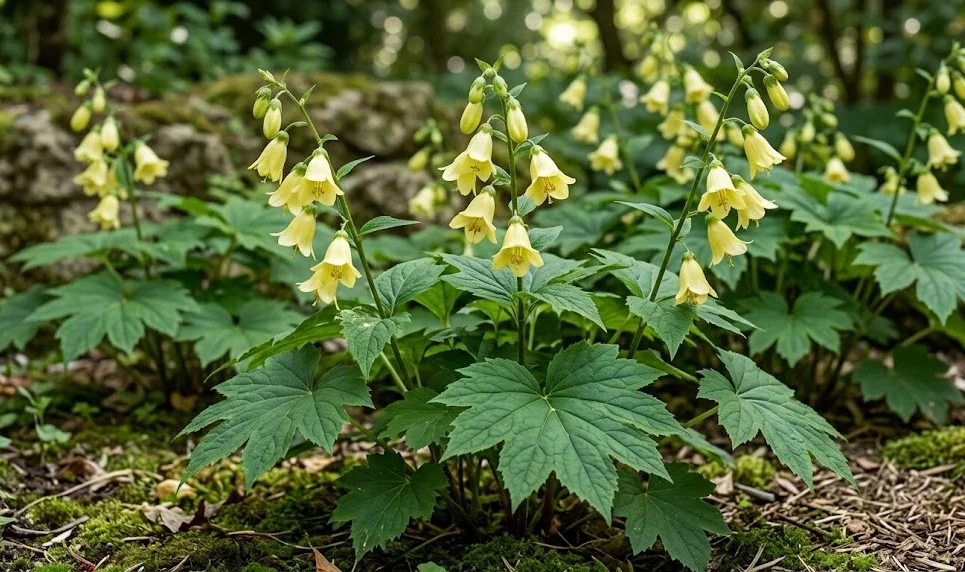
However, “shade” is a complex term that can mean many things in a garden setting, from the dappled light under a tall canopy to the deep, dark shadow on the north side of a building. The yellow wax bells perform best in “bright, indirect light” or “dappled shade,” where they receive plenty of ambient light without the heat and intensity of direct rays. Finding this “sweet spot” in your garden requires observing the movement of the sun throughout the day and across the different seasons. A professional gardener knows that the light in May is very different from the light in August.
Ideally, the plant should be situated where it might receive a little bit of gentle morning sun, followed by deep shade during the hottest part of the day. The morning sun is cooler and less damaging, providing a quick boost of energy for the day’s growth without the risk of scorching. As the sun rises higher and the temperature increases, the protection of a building, a wall, or a large tree becomes essential. This balanced approach mimics the natural rhythm of a forest clearing, where the plant would receive filtered light as the sun moves through the canopy.
Ideal light exposure
The gold standard for these perennials is the filtered light found under a high canopy of deciduous trees like oaks, maples, or beeches. These trees act as a natural “shade cloth,” breaking up the direct rays of the sun into a constantly shifting pattern of light and shadow. This prevents any one part of the leaf from being exposed to high heat for too long while still allowing enough light through for photosynthesis. This environment also tends to be cooler and more humid, which perfectly matches the plant’s other cultural needs.
More articles on this topic
In gardens without large trees, the north or east side of a tall structure can provide an excellent alternative. The north side of a house is often the coolest and most shaded spot in the landscape, making it a sanctuary for moisture-loving shade plants. Here, the plant will receive only reflected or indirect light, which is consistent and safe throughout the day. An east-facing spot can also work well, as it provides the gentle morning sun that these plants enjoy while shielding them from the harsh afternoon heat.
Avoid at all costs placing these plants on the south or west side of a building or in an open, unshaded field. In these locations, the intensity of the light and the accompanying heat will be too much for the large leaves to handle. Even if the soil is kept moist, the plant will likely suffer from chronic leaf scorch and a general lack of vigor. If you must plant in a brighter area, you will need to provide artificial shade or use taller, sun-tolerant plants to create a protective screen for your yellow wax bells.
The color of the foliage is often the best indicator of whether the light levels are correct for the plant. In ideal shade, the leaves should be a deep, vibrant green with a healthy, matte finish. If the leaves start to look pale, yellowish, or have a “washed-out” appearance, it is a clear sign that they are receiving too much light. Conversely, if the plant is in such deep shade that it becomes leggy, weak, and fails to flower, it may actually need a bit more ambient light to reach its full potential.
Managing excessive sunlight
If you find that your plant is struggling because its location is too bright, there are several professional techniques you can use to mitigate the damage. The simplest solution is to move the plant to a more shaded area, but since they prefer not to be disturbed, this should be a last resort. Instead, look for ways to increase the shade in its current spot. Planting a fast-growing, taller shrub or a trellis with a non-invasive vine can provide the necessary protection within a single season.
More articles on this topic
Increasing the ambient humidity and soil moisture can also help the plant cope with slightly more light than it would normally prefer. When a plant has an unlimited supply of water, it can use transpiration to cool its leaves more effectively, acting like a natural air conditioner. Misting the foliage during the hottest part of the day can also lower the leaf temperature and prevent scorch. However, this is a high-maintenance approach and is less reliable than simply providing more shade.
Using physical structures like shade sails, latticework, or even strategically placed garden art can create the “dappled” effect that these plants crave. A simple wooden trellis placed to the south or west of the plant can break up the direct afternoon sun and significantly improve the plant’s health. These structures can be integrated into the garden design so that they look intentional and provide aesthetic value even when the plant is dormant. It is all about managing the microclimate of that specific garden bed.
Sometimes, a plant may only need protection during a specific time of year, such as the peak of mid-summer. In these cases, temporary shade solutions like “floating row covers” or portable garden screens can be used during heatwaves. While not always the most attractive option, these tools can save the foliage of a prized specimen during extreme weather events. Once the weather cools or the sun’s angle changes in the autumn, the temporary shade can be removed to allow for more light and air.
Shade garden integration
Designing a successful shade garden involves grouping plants with similar light and water requirements to create a cohesive and healthy ecosystem. The yellow wax bells make excellent companions for other classic shade lovers like hostas, ferns, astilbes, and hellebores. These plants all share a preference for cool, moist, and shaded conditions, and their varying leaf shapes and textures can create a stunning visual display. Grouping them together also helps to maintain a higher level of local humidity, which benefits everyone in the group.
The height and structural form of the yellow wax bells make them an ideal “anchor” plant for the middle or back of a shade border. Their tall, arching stems can provide a backdrop for lower-growing hostas or a contrast to the fine, lacy fronds of ferns. When planning the layout, consider how the light will move across the bed throughout the day. Place the most sensitive plants in the deepest shade and the slightly more tolerant ones toward the edges where they might catch a bit more ambient light.
Professional designers also use the reflective properties of light to brighten up dark corners of the shade garden. While the yellow wax bells need shade, they can be paired with plants that have variegated or light-colored foliage to help “bounce” light into the darker areas. This makes the space feel more open and vibrant without exposing the plants to direct sun. The buttery yellow flowers of the wax bells themselves are perfect for this, as they seem to glow in the dim light of late summer evenings.
Finally, remember that as your garden matures, the light levels will naturally change. Small trees will grow into large canopies, and shrubs will fill in, creating more shade over time. A professional gardener periodically reassesses the light levels in each part of the garden to ensure that every plant is still in its “happy place.” If a once-thriving yellow wax bell starts to look stunted or fails to flower, it may be because its neighbors have grown so much that it is now in too much shade. Balance and observation are the keys to a long-lived and beautiful shade garden.