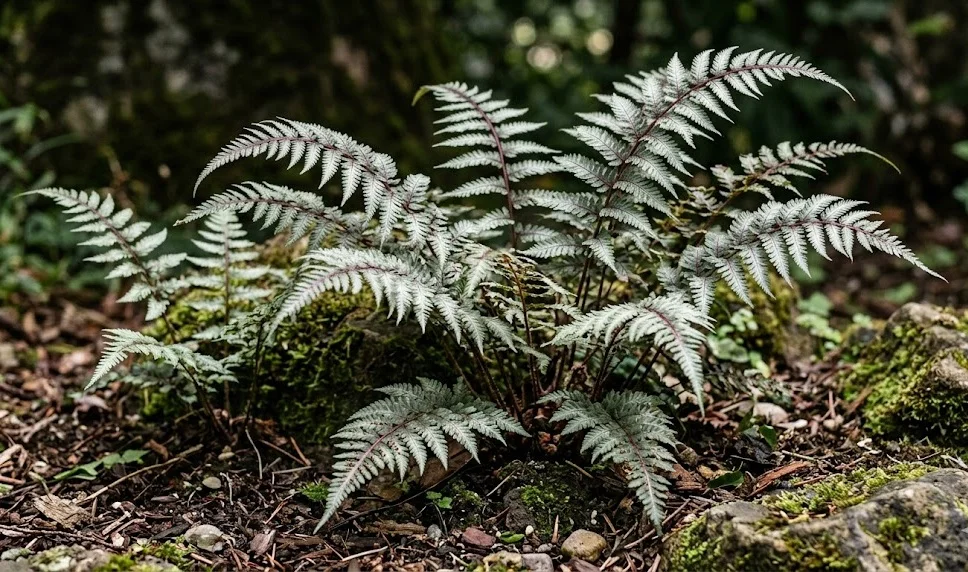

Preparing the Japanese painted fern for the winter months is a straightforward process that ensures this hardy perennial returns with vigor each spring. While these plants are remarkably cold-tolerant, they do require a period of complete dormancy to reset their internal biological clocks. In most temperate climates, the fern will naturally die back to the ground as the first hard frosts arrive, leaving only the underground rhizome alive. Understanding how to protect this vital core during the coldest part of the year is the key to long-term success with this species.
The transition into winter dormancy begins in late autumn when the temperatures consistently drop below freezing at night. You will notice the vibrant silver and burgundy fronds begin to wilt, turn brown, and eventually lay flat against the soil surface. This is a natural protective mechanism where the plant withdraws nutrients and moisture from the leaves back into the central crown. Resist the urge to cut the foliage back too early; let the plant complete this process naturally to maximize its stored energy reserves.
One of the most important aspects of wintering is ensuring that the soil remains well-drained during the cold, wet months. While the rhizome needs some moisture to stay alive, sitting in freezing, waterlogged soil is one of the few things that can actually kill a Japanese painted fern. If your garden is prone to standing water in the winter, you may need to take steps to improve drainage before the ground freezes. A slightly raised planting position or the addition of coarse grit to the surrounding area can provide the necessary protection for the dormant roots.
For gardeners in extremely cold regions, a light layer of protective mulch can offer an extra buffer against temperature extremes and soil heaving. This layer acts like an insulating blanket, keeping the ground temperature more consistent and preventing the cycle of freezing and thawing from pushing the rhizome out of the earth. In most cases, the plant’s own dead foliage provides a basic level of protection, but adding a little extra can provide peace of mind. With these simple steps, your ferns will rest securely until the warmth of spring calls them back to life.
Timing the autumn cleanup
Knowing exactly when to begin your autumn garden cleanup is a skill that comes with observing the specific weather patterns in your local area. For the Japanese painted fern, the signal to start is usually the first “killing frost” that turns the foliage completely brown and limp. Until this happens, the plant is still actively moving carbohydrates into its root system to fuel next year’s growth. Cutting the fronds while they are still even partially green can deprive the plant of these essential energy stores.
More articles on this topic
Once the foliage is entirely dead, you can choose to either leave it in place or trim it back to within an inch or two of the soil surface. Leaving the dead fronds can provide a natural mulch that protects the crown and offers winter cover for beneficial insects like ladybugs. However, if the plant suffered from any fungal issues or pests during the summer, it is much better to remove and dispose of the dead material. This prevents disease spores or insect eggs from overwintering near the base of the plant.
When trimming back the fern, always use clean, sharp shears to ensure you don’t crush the delicate tissue of the crown. A clean cut heals quickly and is less likely to harbor moisture that could lead to winter rot. Be careful not to dig into the soil or disturb the shallow rhizomes while you are working around the base of the plant. If you decide to remove the foliage, consider replacing that natural protection with a thin layer of shredded leaves or straw.
The final step in your autumn routine should be to mark the location of each fern, especially if they are planted in a mixed bed. Once the foliage is gone, it is very easy to forget exactly where the plants are, leading to accidental damage during spring weeding or planting. A small wooden stake or a decorative stone can serve as a helpful reminder of where to expect the new growth to emerge. This simple act of organization prevents many common garden accidents that happen during the transition between seasons.
Managing the soil and root zone in winter
The health of the underground rhizome is the most important factor in determining how well the Japanese painted fern survives the winter. Unlike some tropical ferns, this species requires a cold period to break its dormancy and trigger the development of new buds. However, this does not mean the roots should be subjected to extreme conditions without any protection. Maintaining a stable environment in the root zone is the primary goal of any wintering strategy for this plant.
More articles on this topic
Soil heaving is a common winter problem where the repeated freezing and thawing of the ground physically pushes plants out of the soil. This exposes the sensitive rhizomes to the drying effects of the wind and the full intensity of the cold, which can be fatal. A two- to three-inch layer of organic mulch is the best defense against this phenomenon, as it stabilizes the soil temperature. If you do notice a plant has been pushed up, gently press it back into place and add extra mulch around the base as soon as the ground thaws.
While we often think of winter as a “wet” season, the air can actually be very dry, especially in areas with frequent wind and low humidity. If the ground is not frozen and there has been no rain or snow for several weeks, it may be necessary to give the ferns a light watering. The goal is not to soak the soil but simply to prevent the dormant rhizomes from completely dehydrating. This is particularly important for ferns planted in containers or in sheltered areas under eaves where natural precipitation might not reach.
Avoid the temptation to apply any fertilizer during the winter months, as the plant has no way to process the nutrients while it is dormant. Any fertilizer applied now will likely wash away before the spring, potentially contributing to water pollution or salt buildup in the soil. The natural decomposition of your autumn mulch will provide all the slow-release nutrients the plant needs when it finally wakes up. Winter is a time for rest and structural maintenance, leaving the active feeding for the growing season.
Considerations for container-grown ferns
Growing Japanese painted ferns in pots adds a layer of complexity to the wintering process, as the roots are much more exposed to the cold than they would be in the ground. In a container, the soil temperature can fluctuate wildly and can drop significantly lower than the ambient ground temperature. If you live in a climate where temperatures regularly fall below freezing, you will need to provide extra protection for your potted specimens. One common method is to “heel in” the entire pot by burying it in a vacant garden bed or a pile of mulch.
If moving the pots into the ground is not an option, you can wrap the containers in insulating materials like bubble wrap, burlap, or specialized frost blankets. Grouping multiple pots together in a sheltered corner also helps to create a collective microclimate that retains a bit more heat. Be sure to place the pots on a surface that drains well, such as gravel or “pot feet,” to prevent them from sitting in freezing meltwater. The goal is to keep the roots at a consistent, cold temperature without allowing them to reach the lethal freezing point.
Another option for container plants is to move them into an unheated garage, shed, or basement for the duration of the winter. This provides a more stable environment that is protected from the wind and the harshest frosts while still being cold enough to maintain dormancy. If you choose this route, remember that the plants will still need an occasional sip of water to keep the soil from becoming bone-dry. Do not bring them into a heated house, as the warmth will wake them up too early and the dry indoor air will quickly kill the plant.
As spring approaches, pay close attention to the moisture levels and light in your storage area. Once you see the first signs of green “fiddleheads” emerging from the soil, it is time to slowly reintroduce the plant to the outdoors. Start by placing the pots in a shaded, protected spot for a few hours a day and gradually increase their exposure. This “hardening off” process prevents the tender new growth from being shocked by the sudden change in environment.
Welcoming the spring emergence
The end of the wintering period is marked by the lengthening days and the gradual warming of the soil in early spring. This is the most delicate time for the Japanese painted fern, as the new growth is extremely sensitive to late-season frosts. If you have applied a heavy layer of winter mulch, you should begin to pull it back slightly from the crown as the temperatures rise. This allows the sun to warm the soil and gives the new fronds a clear path to emerge without being smothered.
Keep a close eye on the weather forecast during this transition period, as a sudden cold snap can easily kill the first round of delicate new leaves. If a hard frost is predicted after the fiddleheads have emerged, you should temporarily cover the plants with a light cloth or an inverted bucket. This simple precaution can save the season’s first and often most beautiful display of silver foliage. Once the danger of frost has passed completely, you can remove any remaining winter debris and perform a final cleanup of the bed.
Spring is also the ideal time to evaluate the health of your ferns and decide if any further action is needed. If a plant has failed to return, inspect the rhizome to see if it was a victim of rot, pests, or extreme cold. This information is invaluable for adjusting your care routine for the following year and ensuring the rest of your garden remains healthy. If the ferns have returned with vigor, a light application of compost will provide the perfect “breakfast” for their new growing season.
Watching the tightly coiled silver fronds slowly unfurl is one of the great rewards of a successful wintering strategy. Each year, the plant should return a little larger and more established, eventually forming the lush mound that is so prized by shade gardeners. By respecting the plant’s need for a dormant period and providing basic protection, you ensure that your Japanese painted ferns remain a permanent and beautiful fixture of your landscape. Wintering is not just about survival; it is the necessary preparation for the spectacular show to come.