
Providing the correct balance of hydration and nutrition is the most active way you can influence the health of your shrub. Unlike plants that can survive long periods of neglect, this species requires a consistent and thoughtful approach to its basic metabolic needs. Water acts as the primary vehicle for transporting nutrients from the soil into the leaves, where they are transformed into energy. Without a steady supply of both, the plant will quickly lose its architectural splendor and become more susceptible to environmental stressors.
The art of watering is not about following a rigid calendar but rather about learning to read the signals the plant and soil are giving you. Factors such as room temperature, humidity levels, and the intensity of the light all play a role in how quickly the plant uses its water reserves. A plant in a sunny, warm window will obviously need more frequent attention than one sitting in a cool, shaded hallway. Developing this intuition is what separates a master gardener from someone who simply follows a set of instructions.
Fertilization is equally important, acting as a multivitamin that supports the production of those massive, glossy leaves. During the peak growing season, the plant’s demand for nitrogen, phosphorus, and potassium increases significantly to sustain its rapid expansion. However, more is not always better when it comes to plant food, and over-fertilizing can be just as damaging as under-feeding. Finding the “goldilocks” zone where the plant has exactly what it needs is the goal of every professional caretaker.
Consistency is the final piece of the puzzle when it comes to maintaining a healthy specimen over many years. Drastic swings between bone-dry soil and waterlogged conditions can cause structural damage to the root cells and lead to leaf drop. Similarly, erratic feeding schedules can cause irregular growth patterns that detract from the plant’s natural beauty. By establishing a reliable routine, you create a stable foundation that allows the plant to reach its full genetic potential.
Developing a reliable watering routine
The most effective way to determine if your plant needs water is to use the simple finger test in the top inch of the soil. If the surface feels dry to the touch, it is generally time to provide a thorough drink that reaches all the way to the bottom of the pot. You should water until you see liquid beginning to drain from the holes in the base of the container. This ensures that the entire root ball is hydrated and helps wash away any accumulated salts from the soil.
More articles on this topic
During the active growing season in spring and summer, you will likely find yourself watering at least once or twice a week. The large surface area of the palmate leaves means the plant loses a significant amount of moisture through transpiration every day. If the soil is allowed to dry out completely, the plant will often respond by drooping its leaves in a dramatic display of thirst. While it usually recovers quickly once watered, repeated wilting can eventually weaken the overall structure of the plant.
In the winter months, when the plant’s metabolism slows down, you must significantly reduce the frequency of your watering. The soil takes much longer to dry out when the temperatures are lower and the days are shorter. Overwatering during the dormant period is a common mistake that often leads to root rot and other fungal issues. Always double-check the soil moisture before adding more water during the colder months to ensure the roots stay healthy.
The type of water you use can also have a subtle impact on the long-term health of the foliage and root system. Many indoor plants are sensitive to the chlorine and fluoride often found in municipal tap water, which can cause brown tips on the leaves. If possible, use rainwater or filtered water, or simply let tap water sit out for twenty-four hours before using it. This allows some of the chemicals to dissipate and brings the water to room temperature, which is less shocking for the roots.
Recognizing and responding to water stress
Learning to identify the early signs of water stress will allow you to intervene before any permanent damage occurs to the plant. A thirsty aralia will often lose the glossy sheen on its leaves, making the foliage appear dull and slightly gray. This is a subtle signal that the plant is beginning to draw on its internal water reserves to maintain its vital functions. If you catch it at this stage, a quick watering will restore its vibrant appearance almost immediately.
More articles on this topic
More advanced dehydration is signaled by a noticeable drooping of the leaf stems, as the plant loses the turgor pressure that keeps them upright. If left in this state for too long, the lower leaves may start to turn yellow and eventually fall off as the plant prioritizes its top growth. This is a survival mechanism designed to reduce the total surface area and conserve whatever moisture remains in the stems. Consistent neglect of this kind will lead to a “leggy” appearance that is difficult to correct.
On the other end of the spectrum, overwatering presents its own set of symptoms that are often more dangerous and harder to resolve. Yellowing leaves that feel soft or mushy, rather than dry and crispy, are a classic sign that the roots are being suffocated by too much water. You might also notice a faint, unpleasant odor coming from the soil, which indicates the presence of anaerobic bacteria and root decay. If this happens, you must stop watering immediately and consider repotting the plant into fresh, dry soil.
Edema is another physiological condition caused by erratic watering, where the plant takes up water faster than it can use or transpire it. This leads to small, corky bumps or blisters forming on the underside of the leaves, which can eventually turn into brown spots. While not fatal, it is an indication that the watering schedule needs to be more consistent and the drainage needs to be improved. Balancing the intake and output of moisture is the key to maintaining pristine foliage.
Essential nutrients for foliage growth
To produce its iconic large leaves, this plant requires a steady supply of macronutrients, with nitrogen being the most important for leafy expansion. Nitrogen is the primary component of chlorophyll, the pigment that allows the plant to convert sunlight into energy. A deficiency in this element usually results in pale, stunted leaves that lack the deep green color characteristic of a healthy specimen. Regular feeding during the spring ensures the plant has the fuel it needs for its most active growth phase.
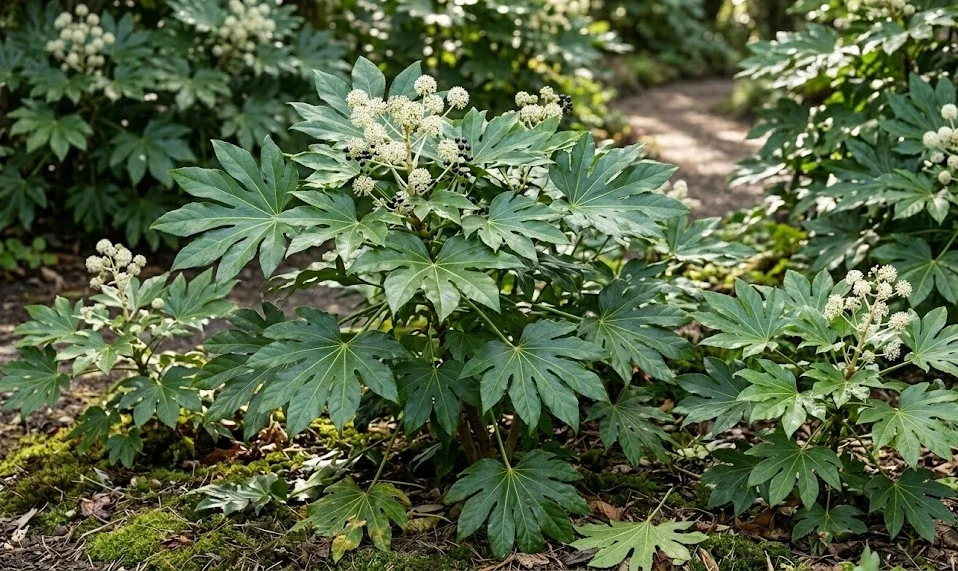
Phosphorus is another vital nutrient that supports a strong and expansive root system, which is the foundation of the plant’s overall stability. While the aralia isn’t primarily grown for its flowers, phosphorus also plays a role in the development of the white floral clusters in mature plants. Having a healthy root network allows the plant to better withstand periods of environmental stress, such as temporary drought or temperature shifts. It is an essential part of the “hidden” health of the plant that occurs beneath the soil line.
Potassium, the third member of the primary nutrient trio, is crucial for the plant’s overall cellular health and disease resistance. it helps regulate the opening and closing of the stomata on the leaves, which controls both transpiration and gas exchange. A plant with adequate potassium levels is better equipped to handle fluctuations in humidity and temperature without showing signs of distress. This element acts as a general tonic that keeps the internal systems of the plant running smoothly.
In addition to these main nutrients, the plant also benefits from a range of micronutrients like iron, magnesium, and calcium. These are required in much smaller quantities but are still essential for preventing specialized issues like interveinal chlorosis. Many high-quality fertilizers include these trace elements to ensure a complete nutritional profile for your greenery. Providing a diverse range of minerals ensures that the plant remains vibrant and resilient throughout its long life.
Fertilizer types and application methods
There are several ways to deliver nutrients to your plant, each with its own advantages depending on your gardening style and the plant’s needs. Liquid fertilizers are a popular choice for indoor specimens because they provide a quick and easily adjustable dose of nutrition. These are typically diluted in water and applied directly to the soil during your regular watering routine. This method allows you to respond quickly to any signs of nutrient deficiency you might observe in the foliage.
Slow-release granules or spikes offer a more “set it and forget it” approach that is ideal for outdoor plants or busy gardeners. These products are mixed into the top layer of the soil or poked into the root zone, where they gradually release nutrients over several months. This provides a steady, low-level supply of food that mimics the natural breakdown of organic matter in the wild. It is a very safe way to feed, as the risk of “fertilizer burn” is significantly lower than with concentrated liquids.
Organic options, such as fish emulsion or liquid seaweed, are excellent for those who prefer a more natural approach to plant care. While these can sometimes have a stronger odor, they provide a complex range of nutrients and beneficial microbes that synthetic fertilizers often lack. Many experienced growers swear by these organic feeds for producing the glossiest and most robust leaves. They also help improve the overall health and structure of the soil over time.
Regardless of the type of fertilizer you choose, it is vital to always apply it to damp soil rather than bone-dry earth. Applying concentrated nutrients to dry roots can cause chemical burns that damage the delicate tissue and hinder the plant’s ability to take up water. Always give the plant a light watering first, then follow up with the fertilizer solution to ensure it is distributed evenly and safely. This simple precaution will protect your plant while ensuring it gets the maximum benefit from the feeding.
Monitoring long-term soil fertility
Over time, even the best potting soil will begin to lose its structure and become depleted of essential nutrients. As the plant grows and the roots occupy more of the container, there is less space for fresh soil to hold onto water and minerals. You may notice that the water begins to run straight through the pot without being absorbed, which is a sign that the soil has become hydrophobic. This indicates that it is time to either refresh the top layer of soil or consider a full repotting.
The accumulation of mineral salts from tap water and fertilizers can also become a problem in older soil, eventually leading to root irritation. If you see a white, crusty buildup on the surface of the soil or around the rim of the pot, it is a sign that the salt levels are too high. Periodically flushing the soil with large amounts of plain water can help leach these excess minerals out of the pot. This “cleaning” of the soil environment is an important part of long-term maintenance for container-grown plants.
Incorporating fresh organic matter once a year can do wonders for maintaining the vitality of the soil in a permanent garden bed. A layer of well-rotted compost or leaf mold applied as a mulch will slowly break down and feed the soil food web. This process not only provides nutrients but also improves the soil’s ability to hold moisture and support beneficial fungi. A healthy soil ecosystem is the best defense against many of the problems that plague stressed plants.
Observing the overall vigor and leaf size of your aralia over several years will tell you everything you need to know about your feeding strategy. If the new leaves are consistently smaller than the older ones, the plant may be signaling that it needs a more robust nutritional plan. Conversely, if the growth is excessively fast and the stems are weak and floppy, you might be overdoing the nitrogen. Listening to the plant’s feedback allows you to refine your approach and ensure a long, healthy life for your botanical companion.