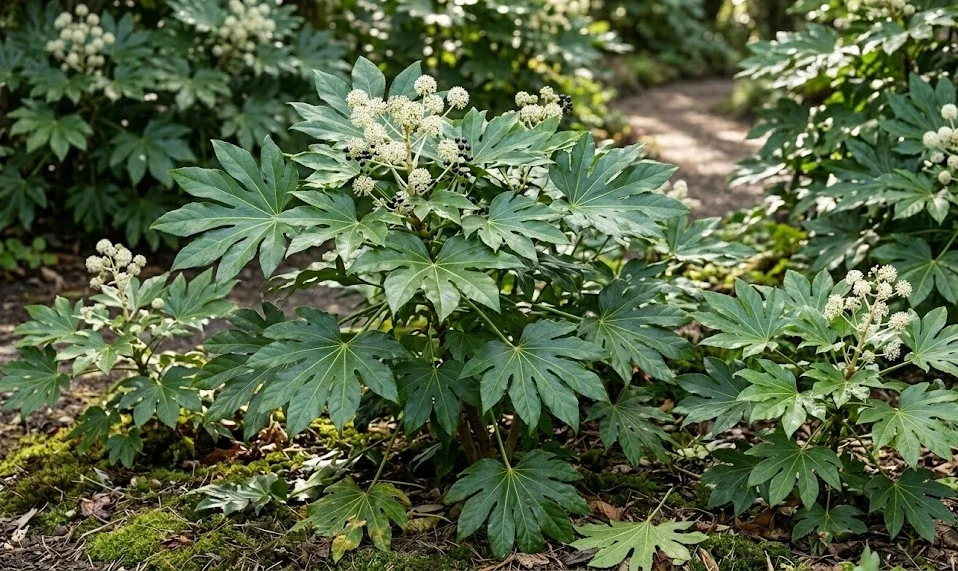

Understanding the specific light preferences of this species is fundamental to achieving the deep green, glossy foliage that makes it so attractive. In its natural habitat, the plant grows as an understory shrub, shielded from the direct intensity of the sun by a canopy of taller trees. This ancestral heritage has dictated its physiological need for filtered, indirect light rather than the harsh rays of an open field. Replicating this “forest floor” illumination is the key to preventing leaf damage and ensuring a balanced, attractive growth habit.
Light acts as the primary fuel for the plant, but like any fuel, too much of it can be just as damaging as too little. When exposed to direct midday sun, the large leaves can quickly overheat, leading to a breakdown of the chlorophyll and a characteristic bleached appearance. Conversely, a plant kept in too much shade will become “leggy” as it stretches its stems toward any available light source. Finding the perfect balance—often described as “bright, indirect light”—is the goal of every successful caretaker of this majestic shrub.
The direction of the light source in your home or garden also plays a major role in how the plant develops over time. A north-facing window or a spot on the shady side of a building is often ideal, as it provides a consistent, soft glow without the danger of direct solar radiation. If you only have south or west-facing windows, you may need to use sheer curtains to diffuse the light and protect the foliage. Being aware of these directional nuances allows you to place your plant in a position where it can truly flourish.
Seasonal changes in light intensity and duration should also be factored into your long-term placement strategy. A spot that is perfectly shaded in the summer might become too dark in the winter, or conversely, a winter-safe spot might become a sun-trap as the earth’s tilt changes. Regularly observing the light patterns in your space throughout the year will help you decide if the plant needs a temporary move. This dynamic approach to light management ensures that the plant is always receiving exactly what it needs to maintain its vibrant appearance.
Understanding the preference for shade
The large surface area of the aralia’s leaves is a direct adaptation to its life in the shadows, designed to capture as much ambient light as possible. Because the leaves are so broad, they are incredibly efficient at photosynthesizing even in relatively low-light environments. This evolutionary strategy makes them one of the few large shrubs that can thrive in the darker corners of a garden or the interior of a home. Embracing their nature as shade-loving plants is the first step toward long-term success with the species.
More articles on this topic
In a garden setting, these shrubs are the perfect solution for those difficult north-facing spots where most flowering plants refuse to grow. They provide a structural and architectural element that maintains its beauty throughout the year, even without direct sunlight. When planted under the shade of deciduous trees, they enjoy a natural cycle of higher light in the winter and protective shade in the summer. This symbiotic relationship with larger garden elements is exactly how they have grown for thousands of years in the wild.
For indoor specimens, the term “shade” doesn’t mean total darkness, but rather a position away from the direct path of the sun’s rays. A spot a few feet back from a bright window is often much better than sitting directly on the windowsill where the glass can magnify the heat. You should still be able to see a soft shadow if you hold your hand over the plant; if there is no shadow at all, the light level is likely too low for healthy growth. Balancing the need for light with the need for protection is a subtle art that you will master over time.
One of the benefits of their shade tolerance is the versatility it offers in interior and landscape design. You can use these plants to bring life to hallways, entryways, or covered patios where other greenery might struggle and eventually fail. As long as there is enough ambient light for you to easily read a book, the aralia will likely be quite happy with its position. This flexibility is a major reason why they have remained a popular choice for both professional landscapers and home gardeners for generations.
Identifying and avoiding sun damage
Sunburn, or sunscald, is a very real threat to these plants, manifesting as papery, light brown or white patches on the most exposed parts of the leaves. This damage is permanent, meaning the affected areas will never turn green again and will eventually become a gateway for pests or disease. It often happens most rapidly in the early spring, when the plant produces tender new growth that hasn’t yet toughened up against the elements. Protecting this new foliage is critical for maintaining the overall aesthetic quality of the shrub.
More articles on this topic
The heat that often accompanies direct sunlight is just as damaging as the light itself, causing the plant to lose moisture faster than its roots can supply it. This leads to a combination of scorching and wilting that can quickly sap the energy from even a large, established specimen. If you notice the leaves feeling hot to the touch during the afternoon, it is a clear sign that the plant needs more shade. Moving the pot or providing a temporary screen can prevent a minor stress from becoming a major health crisis.
Reflected light from light-colored walls or large windows can also cause unexpected damage, even if the plant isn’t in the direct path of the sun. These “hot spots” can focus the sun’s energy onto specific parts of the plant, leading to localized burning that can be confusing to diagnose. If you see damage appearing only on one side of the plant, check for any nearby reflective surfaces that might be concentrating the light. A simple adjustment of a few inches can often move the plant out of these dangerous zones.
If your plant does suffer from sun damage, the best course of action is to move it to a more appropriate location immediately. Do not rush to prune away all the damaged leaves at once, as they still provide some protection for the inner part of the canopy. Wait until the plant has produced enough new, healthy foliage to compensate for the loss of the burnt sections. This patient approach allows the plant to recover its strength without the added stress of a heavy pruning session.
Optimizing light for indoor specimens
Indoors, the quality of light is often more important than the quantity, as the glass of our windows filters out much of the spectrum that plants use. Rotating your plant every few weeks is a simple yet effective way to ensure that all sides of the foliage receive an equal amount of illumination. This prevents the shrub from becoming one-sided or leaning excessively toward the light source, which can eventually make it unstable in its pot. A balanced plant is not only more beautiful but also physically stronger and more resilient.
If you find that your indoor space is naturally very dark, you can successfully supplement the light with specialized LED grow lights. These modern lamps can provide the specific wavelengths of blue and red light that the plant needs for healthy foliage production without generating excess heat. Placing a grow light on a timer for twelve to fourteen hours a day can make a world of difference for a plant struggling in a dimly lit room. It is a practical solution that allows you to enjoy an aralia even in spaces without large windows.
Keep the large leaves clean of dust, as a layer of grime can significantly reduce the amount of light that reaches the photosynthetic cells. A quick wipe with a damp cloth every few weeks is like giving the plant a more efficient set of solar panels to work with. This is particularly important in the winter when the available light is already at its lowest levels of the year. Clean leaves are better able to use every photon of light that enters the room, keeping the plant vibrant and healthy.
The height at which you place the plant can also affect its light intake, as light levels can drop off significantly just a few feet away from the ceiling or floor. If a plant seems to be struggling, try raising it on a stand to bring the canopy closer to the middle of a window where the light is strongest. Experimenting with different heights and positions within a room will help you find the “sweet spot” where the plant looks its best. Paying attention to these small details is what ensures a thriving indoor aralia for years to come.