
Mastering the hydration and nutrition of an epiphytic plant requires moving away from the “pour and forget” mentality of standard gardening. Because this species lacks a traditional root system for heavy water uptake, it has evolved sophisticated ways to drink through its foliage. The specialized cells on its leaves are designed to capture every drop of moisture from the humid tropical air and passing rain showers. Therefore, your watering strategy must be multidimensional, focusing on both the atmosphere and the physical moisture of the plant’s structure.
Misting is the primary way most indoor gardeners provide moisture to this plant, but there is a specific technique to do it right. You should use a fine spray bottle to coat both the top and the underside of every leaf until the water begins to drip off. This mimics the heavy dews and light rains of its natural habitat, ensuring that the trichomes can absorb moisture efficiently. During the height of summer, daily misting may be required, while in winter, every two or three days is usually sufficient.
The “soaking method” is a more intensive hydration technique that professionals use to ensure the plant remains fully turgid and healthy. Every week or two, you can submerge the entire plant in a basin of room-temperature water for about twenty to thirty minutes. This allows the plant to fully saturate its tissues and reach areas that simple misting might have missed over several days. After the soak, it is absolutely vital to shake the plant upside down to remove any water trapped in the central rosette.
Water quality is a factor that is often overlooked but can have a profound impact on the long-term health of your specimen. Most tap water contains chlorine, fluoride, and dissolved minerals that can leave white crusty deposits on the leaves and eventually clog the pores. Rainwater is the absolute best choice for these plants, as it is naturally soft and contains trace amounts of atmospheric nitrogen. If rainwater is unavailable, distilled water or filtered water that has sat out overnight are much better alternatives than fresh tap water.
Selecting the right fertilizer
Fertilizing an epiphyte is a delicate balancing act because these plants are naturally adapted to very low-nutrient environments in the wild. In the rainforest, they survive on the tiny amounts of nitrogen and minerals washed down from the canopy by the rain. When you provide fertilizer in a home setting, you must be careful not to overwhelm the plant’s sensitive metabolic systems. Over-fertilization is one of the most common causes of death for bromeliads, often manifesting as burned leaf tips and stunted growth.
More articles on this topic
A specialized bromeliad fertilizer is usually the safest bet, as it is formulated with the specific needs and sensitivities of these plants in mind. If you cannot find a dedicated product, a balanced water-soluble fertilizer like a 20-20-20 formula can be used if it is heavily diluted. Most experts recommend using only one-quarter or even one-eighth of the strength recommended on the product label for standard plants. This ensures the plant gets a gentle boost without the risk of chemical burns on the delicate leaf surfaces.
The method of application is just as important as the type of fertilizer you choose to use on your plant. Since the foliage is the primary organ for nutrient absorption, the fertilizer should be applied as a fine mist over the entire plant. You can also pour a small amount of the diluted solution into the central cup, but never let it sit there for more than a few days. The goal is to provide a light coating of nutrients that the plant can slowly take in over several hours.
Avoid using fertilizers that contain high amounts of urea, as epiphytes often lack the soil bacteria necessary to break it down into usable nitrogen. Look for products where the nitrogen is derived from nitrate or ammoniacal sources for the best and most immediate results. Using a high-quality fertilizer will result in stronger leaves, more vibrant colors in the bract, and a more robust root system for anchoring. Investing in the right nutrients is a key part of maintaining a professional-grade botanical collection in your home.
Seasonal feeding schedules
The nutritional needs of your plant will change significantly as the seasons shift and the amount of available light fluctuates throughout the year. During the spring and summer, when days are long and the plant is actively growing, it can benefit from more frequent feeding. A monthly application of diluted fertilizer is usually sufficient to support the development of new leaves and the eventual flowering bract. This is the time when the plant’s metabolism is at its peak and it can best utilize the provided nutrients.
More articles on this topic
As the weather cools and the days shorten in the autumn, you should begin to scale back your fertilization routine significantly. The plant enters a slower metabolic state where it requires fewer resources to maintain its existing tissues and overall health. Continuing to feed at the summer rate during this time can lead to a dangerous accumulation of salts in the potting medium. By reducing the frequency to once every two months, you allow the plant to follow its natural rhythm of rest and growth.
In the dead of winter, it is generally best to stop fertilizing altogether unless you are using high-intensity grow lights to maintain summer conditions. Without the energy from the sun to process the nutrients, the fertilizer will simply sit on the leaves and potentially cause damage over time. This period of rest is actually beneficial for the plant and helps it prepare for the next big push of growth in the spring. Respecting these natural cycles is what separates a casual hobbyist from a truly expert indoor gardener.
Always observe the plant’s reaction after a feeding session to ensure that the concentration and frequency are appropriate for your specific environment. If you notice any browning of the leaf tips or a dulling of the foliage color, it may be a sign of nutrient stress. In such cases, skip the next few feedings and flush the plant thoroughly with pure rainwater to remove any residues. Every plant is an individual, and your feeding schedule should be flexible enough to respond to its unique needs.
Signs of over and under-hydration
Learning to read the visual cues of your plant will tell you exactly whether your watering routine is meeting its physiological needs. An under-hydrated plant will often have leaves that feel thin, limp, and may start to curl inward along their length. You might also notice the tips of the leaves becoming dry and brittle, indicating that the plant is sacrificing its extremities to save moisture. If you see these signs, a long soak in a basin of water is the best way to quickly rehydrate the specimen.
Over-hydration is often more dangerous because it can lead to rot, which is much harder to fix than simple dehydration in these species. The base of the plant might become soft, mushy, or take on a dark brown or black appearance that smells slightly of decay. If the central leaves can be easily pulled out from the middle of the rosette, the plant is likely suffering from advanced crown rot. At this stage, it is often too late to save the parent, though you might be able to salvage any healthy pups.
The texture of the leaves should ideally be firm and slightly rigid, indicating that the internal cells are full of water and providing structural support. Healthy leaves have a subtle silvery sheen due to the presence of trichomes, which should not be mistaken for mold or dust. When you touch the foliage, it should feel resilient and spring back into place rather than staying bent or appearing floppy. Monitoring these physical characteristics daily will help you catch any watering issues before they become life-threatening for the plant.
Environmental factors like humidity and airflow will dictate how quickly your plant uses up the water you provide through misting or soaking. A plant in a breezy, dry room will obviously need much more frequent attention than one in a humid, still bathroom or kitchen. You must adjust your routine based on the specific conditions of your home rather than following a strict calendar schedule. This intuitive approach to watering is the secret to keeping epiphytic bromeliads healthy and thriving for many years.
Flushing and long-term soil health
If your plant is grown in a pot with a bark-based medium, the health of that substrate is directly tied to your watering and feeding habits. Over time, the organic materials will slowly break down and become more acidic, which can inhibit nutrient uptake and damage the roots. Additionally, the minerals from your water and fertilizer will build up in the bark, creating a toxic environment if not addressed. Flushing the medium regularly is a vital maintenance task that keeps the root zone fresh and functional.
To flush the pot, simply take the plant to a sink and allow a gentle stream of lukewarm water to run through the medium for several minutes. This washes away any accumulated salts and refreshes the air pockets within the bark or perlite mix. It is best to do this on a bright morning so that any excess water on the foliage has time to evaporate before nightfall. Regular flushing prevents many of the common “mysterious” health declines that plague older plants in a collection.
You should also keep an eye on the physical state of the potting medium to decide when it is time for a complete replacement. If the bark pieces have become soft, crumbly, or hold onto water like a sponge, they have lost their ability to provide aeration. Most bromeliad experts recommend changing the medium every two to three years to ensure the plant always has a healthy home. Fresh bark provides a clean start and reduces the risk of fungal infections that thrive in decomposing organic matter.
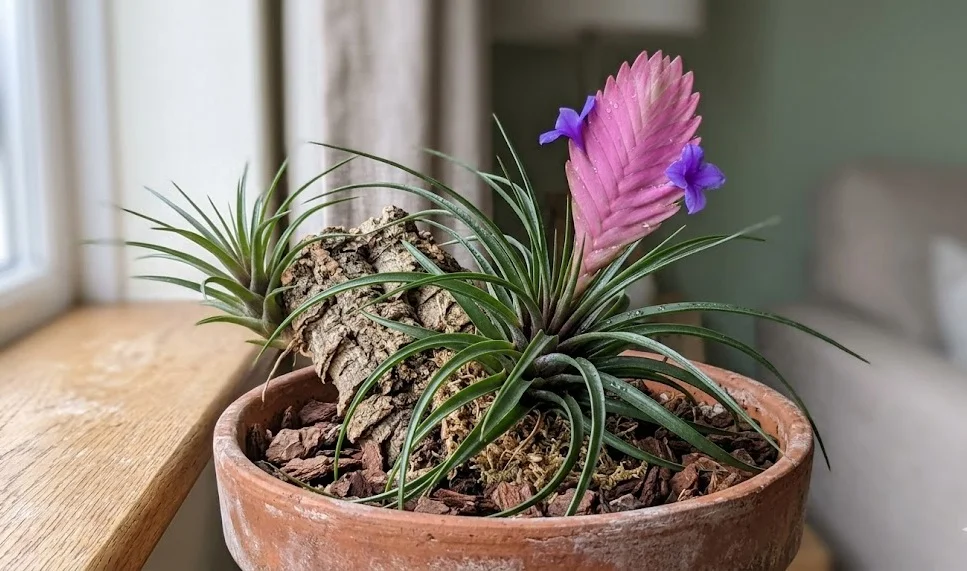
By combining careful watering, strategic fertilization, and regular maintenance of the growing medium, you create a foundation for long-term success. This species is remarkably resilient once you understand its basic biological needs and respect its natural origins. The reward for your diligence is a healthy, architectural plant that will eventually grace your home with its incredible pink and violet display. Consistency, observation, and a gentle touch are the hallmarks of a master gardener in the world of tropical epiphytes.