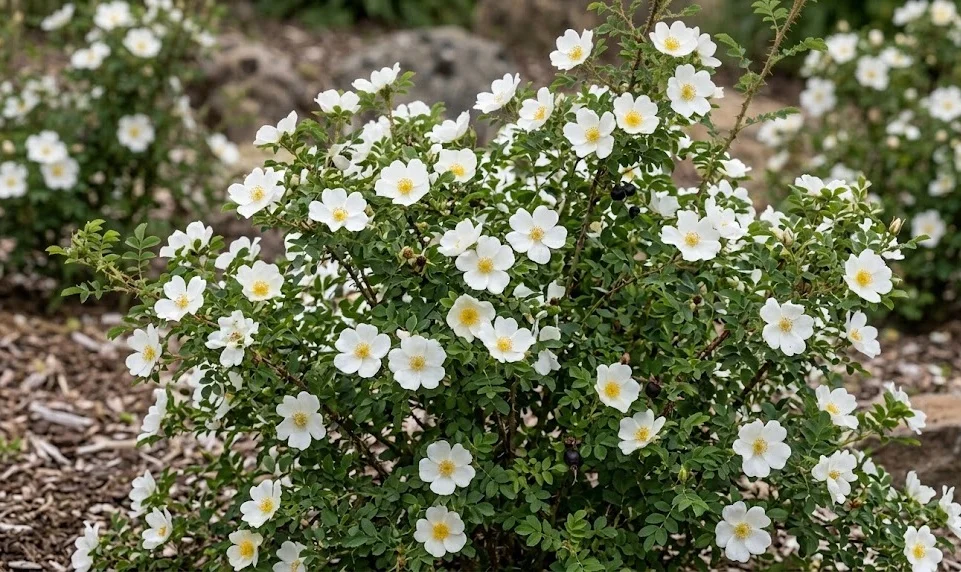

Understanding the light requirements of the burnet rose is fundamental to achieving the best possible results in your garden. This species has evolved to thrive in open, exposed environments where sunlight is abundant throughout the day. While it is a remarkably adaptable plant, its performance in terms of growth habit and flower production is directly tied to the quality of light it receives. This article will guide you through the professional considerations for managing light to ensure your roses reach their full potential.
Ideal sun exposure
For the most robust growth and the highest density of flowers, the burnet rose should be planted in full sun. This generally means the plant needs at least six to eight hours of direct, unfiltered sunlight every day during the growing season. Sunlight provides the energy necessary for photosynthesis, which in turn fuels the production of healthy stems and vibrant blooms. In its natural coastal and moorland habitats, this rose rarely finds itself in the shade of larger trees.
The intensity of the morning sun is particularly beneficial because it helps to dry any dew that has accumulated on the leaves overnight. This rapid drying of the foliage is a natural way to prevent the development of fungal diseases like powdery mildew and black spot. If you have a choice of locations, a spot with eastern or southern exposure is often the best for the overall health of the shrub. Full sun also ensures that the plant maintains a compact and dense form rather than becoming leggy.
In regions with extremely high summer temperatures, the afternoon sun can sometimes be very intense and stressful for garden plants. While the burnet rose is quite heat-tolerant, a location that offers a little bit of relief from the hottest part of the day can be advantageous. However, this should not come at the expense of the total number of hours of sunlight. The key is to find a balance where the plant gets plenty of light without being subjected to unnecessary environmental heat stress.
Light quality also affects the color and fragrance of the flowers, as well as the development of the decorative autumn hips. Roses grown in full sun tend to have more intense petal colors and a more pronounced scent than those grown in shaded areas. The transition to autumn colors and the ripening of the hips are also more consistent when the plant has had ample light throughout the year. Providing the right light is the simplest way to enhance the aesthetic value of your garden.
More articles on this topic
Managing partial shade
While full sun is ideal, the burnet rose is surprisingly tolerant of partial shade compared to many other rose species. Partial shade usually refers to an area that receives between four and six hours of direct sunlight, or filtered light throughout the day. In these conditions, the plant will still grow and produce flowers, though perhaps not as abundantly as it would in full sun. It is a good option for gardeners who have limited sunny spots but still want to enjoy this hardy species.
One of the main effects of growing in partial shade is that the plant may develop a more open and sprawling growth habit. The stems will naturally reach toward the light, which can lead to a less compact and more “wild” appearance. This isn’t necessarily a bad thing, depending on the design goals of your garden, but it may require more frequent pruning to maintain shape. Understanding how the plant responds to light will help you manage its development more effectively.
In shaded locations, it is even more important to ensure that the plant has excellent air circulation to compensate for the slower drying of the leaves. Without the direct sun to evaporate moisture, the risk of fungal issues increases significantly. Spacing the plants further apart and keeping the center of the shrub thinned out can mitigate these risks. Professional gardeners always pay extra attention to disease monitoring when growing roses in less-than-ideal light conditions.
It is also worth noting that the timing of the shade can make a difference in how the plant performs. Shade in the early morning is generally more detrimental than shade in the late afternoon. This is because the morning sun is so effective at preventing disease, whereas late afternoon shade can actually provide a welcome cooling effect. Assessing the light patterns in your garden throughout the day is an essential step in professional site selection.
More articles on this topic
Light and bloom density
The relationship between light intensity and the number of blooms is a direct and measurable one. Each flower requires a significant amount of the plant’s stored energy to develop from a tiny bud into a full blossom. Sunlight is the primary driver of this energy production, so more light almost always results in more flowers. If you find that your burnet rose is not blooming as well as it should, the lack of light is the first factor you should investigate.
Not only does light affect the number of flowers, but it also influences the timing and duration of the blooming period. Roses in sunny locations tend to start blooming earlier in the spring and may continue for a longer period of time. The warmth provided by the sun helps to speed up the metabolic processes within the plant. This leads to a more synchronized and spectacular display that can be the highlight of the early summer garden.
For those who value the autumn hips as much as the summer flowers, light remains a critical factor. The hips are the fruit of the rose, and their development depends on the successful pollination and maturation of the flowers. High light levels ensure that the plant has enough leftover energy after blooming to produce large, colorful hips. These hips are not only beautiful but also provide an important source of food for birds during the winter months.
If you are planting a hedge or a large mass of burnet roses, consider how the plants will shade each other over time. Strategic spacing ensures that each individual gets enough light to maintain its lower foliage and produce flowers from top to bottom. Without enough light reaching the interior, the shrub can become hollow and bare at the base. Planning for light penetration is a key part of long-term landscape management.
Placement strategy
When planning your garden layout, use the light requirements of the burnet rose to your advantage. It is an excellent choice for south-facing slopes, open rock gardens, or near reflective surfaces like white walls or fences. These locations maximize the available light and create a microclimate that supports the plant’s natural tendencies. Placing it in the foreground of a sunny border ensures it isn’t overshadowed by taller shrubs or trees.
Consider the seasonal changes in the angle of the sun and how they might affect your planting site. A spot that is sunny in the middle of summer might be in deep shade during the late spring when the plant is most active. Observing the movement of shadows throughout the year provides a more complete picture of the light availability. This level of detail is what separates a professional gardening plan from a casual one.
Integrating the burnet rose with other sun-loving plants creates a cohesive and thriving plant community. Species like lavender, salvia, and various ornamental grasses share similar light and water requirements. This makes the overall maintenance of the garden bed much easier and ensures that all the plants are competing on a level playing field. A well-placed rose will act as a structural anchor for the entire sunny border.
Finally, remember that the light environment can change over time as other garden elements grow and mature. A nearby tree that was small when you planted the rose might eventually cast a significant shadow over it. Being prepared to prune surrounding vegetation or even move the rose if the light levels drop too much is part of long-term garden stewardship. Staying proactive about light management will keep your burnet roses healthy and beautiful for many years.