
Understanding the light preferences of these iconic perennials is the key to unlocking their full flowering potential and structural strength. As a species that evolved on the open prairies of North America, it is naturally adapted to environments with high solar intensity. Providing the correct amount and quality of light influences everything from the color of the petals to the plant’s ability to resist common diseases. This article explores the professional considerations for light management to ensure your coneflowers flourish in your specific garden setting.
Optimal sun exposure for vibrant blooms
For the most robust growth and the most prolific display of flowers, these plants should be positioned in a location that receives full sun. In horticultural terms, this means at least six to eight hours of direct, unfiltered sunlight during the peak of the day. The energy from the sun is the fuel that the plant uses to produce the large, nectar-rich flower heads that define the species. Plants grown in full sun develop stronger, more upright stems that are less likely to require staking even in windy conditions.
The intensity of the morning sun is particularly beneficial as it helps to dry off the morning dew from the leaves quickly. This rapid drying process is a natural defense against many fungal pathogens that require moisture on the leaf surface to germinate. Sites with an eastern exposure often produce the healthiest foliage because they maximize this early-day drying effect. A plant that starts its day with a good soak of sunshine is better equipped to handle the challenges of the garden environment.
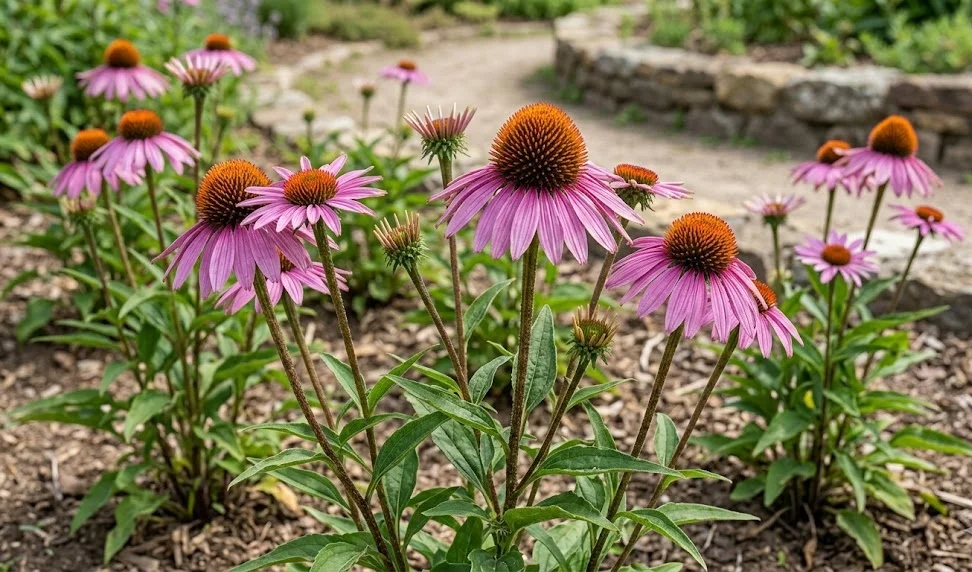
Full sun also plays a critical role in the development of the characteristic deep purple and pink pigments in the petals. Without sufficient light, the colors may appear washed out or less vibrant than those of specimens grown in more ideal conditions. The central cone also develops more fully in bright light, providing a more attractive landing platform for visiting butterflies and bees. For the professional designer, placing these plants in the brightest spots of the landscape ensures the most dramatic and long-lasting color impact.
More articles on this topic
Heat tolerance is a natural byproduct of the plant’s adaptation to high light environments, making it an excellent choice for sunny borders. They can withstand the intense radiation of a mid-summer afternoon without showing the signs of stress that often affect more delicate ornamentals. This resilience allows them to maintain their beauty even during prolonged periods of bright, dry weather when other plants might begin to fade. Choosing the sunniest spot in your garden is the best way to respect the natural heritage of this rugged and beautiful species.
Understanding the impact of partial shade
While the species is highly sun-dependent, it can tolerate a location with partial shade, though there are several trade-offs to consider. Partial shade generally means a spot that receives four to six hours of sun, or filtered light throughout the majority of the day. In these conditions, the plant may still grow and flower, but the overall performance will be less impressive than that of its full-sun counterparts. Gardeners with limited sunny space can still enjoy these flowers if they manage their expectations for bloom density.
One of the most noticeable effects of insufficient light is the tendency for the stems to stretch toward the nearest light source. This phenomenon, known as phototropism, can lead to tall, spindly plants that easily flop over under the weight of their own flowers. To counteract this, plants in shaded areas may need more frequent support from stakes or neighboring sturdy plants to keep them upright. The overall silhouette of a shade-grown coneflower is often more loose and less structured than a sun-grown one.
More articles on this topic
The flowering period may also be delayed or shortened in areas that do not receive the optimal amount of solar radiation. The plant simply takes longer to accumulate the energy necessary to produce its complex flower heads when light is a limiting factor. You may also find that the total number of blooms per plant is significantly reduced, leading to a less impactful garden display. However, in very hot southern climates, a small amount of afternoon shade can actually be beneficial by preventing excessive heat stress.
Air circulation becomes even more critical for plants growing in shaded or partially shaded environments. Shade often coincides with higher humidity and slower drying times for the foliage after a rainstorm or irrigation. This combination creates the perfect breeding ground for powdery mildew and other foliar diseases that can mar the appearance of the plant. If you must plant in a less-than-sunny location, ensure that the plants have plenty of space around them to maximize the movement of air.
Light intensity and stem strength
The relationship between light intensity and the cellular structure of the plant is a fascinating aspect of its growth habit. High light levels trigger the production of lignin, the organic polymer that gives plant stems their rigidity and strength. This natural “internal skeleton” allows the plant to support the heavy, nectar-filled cones high above the ground where they are most visible to pollinators. Without this light-driven strengthening process, the stems remain soft and flexible, making them vulnerable to the elements.
Ultraviolet radiation from the sun also acts as a natural growth regulator, keeping the plant more compact and bushy. In the absence of strong UV light, the internodes—the spaces between the leaves on the stem—become longer as the plant tries to “reach” for the sun. This leads to a leggy appearance that is generally considered less attractive in a professional landscape design. A compact, well-lit plant has a much more powerful visual presence and requires significantly less maintenance over the course of the season.
Reflected light from nearby structures or light-colored surfaces can also influence the growth of the plants in a garden setting. A white fence or a light-colored wall can bounce additional light onto the plants, effectively increasing the total amount of energy they receive. This can be a useful strategy for gardeners who are working with marginally shaded areas but want to maximize their plants’ potential. Understanding these microclimates allows for more creative and effective placement within the broader garden plan.
Seasonal changes in light patterns must also be considered, as the angle of the sun shifts and the shadows of nearby trees grow longer. A spot that is in full sun in June might be significantly more shaded by August as the surrounding canopy fills in or the sun moves lower in the sky. Observing these shifts over the course of a full year will help you find the most stable and productive locations for your perennials. This long-term perspective is what separates a professional horticulturist from a casual gardener, ensuring success year after year.