
Pruning is a powerful tool in the gardener’s arsenal that can be used to direct growth, extend the blooming season, and maintain plant health. For the purple coneflower, a professional approach to cutting back can transform a simple plant into a long-blooming centerpiece. Whether you are removing spent flowers to encourage new ones or preparing the plant for the winter months, the timing and technique are paramount. This article provides expert guidance on how to prune your coneflowers effectively throughout their annual lifecycle.
Deadheading to extend the flowering season
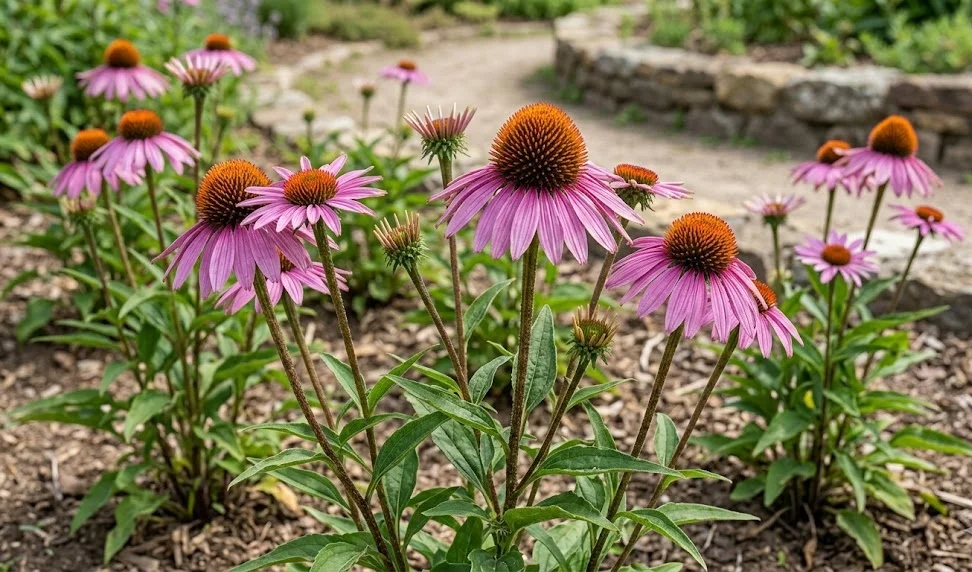
Deadheading is the practice of removing spent or faded flowers before they have a chance to develop seeds. This process signals to the plant that it has not yet completed its reproductive mission, prompting it to produce a second flush of blooms. By redirecting the energy that would have gone into seed production, you can keep your garden looking vibrant for several additional weeks. This is one of the most effective ways to maximize the visual return on your gardening efforts during the summer.
To deadhead correctly, follow the flower stem down to the first set of healthy leaves or the next developing flower bud. Use sharp, clean pruning shears to make a clean cut just above this point to avoid leaving unsightly “stubs” behind. This precise technique encourages the plant to branch out from the nodes below the cut, resulting in a bushier and more productive specimen. Regular deadheading every few days during the peak of summer is the best way to maintain a continuous sea of color.
While deadheading is great for aesthetics, it is also a useful tool for managing the self-sowing tendencies of the species. If left to their own devices, coneflowers can produce a large number of seeds that will sprout into new plants the following spring. If you want to prevent your garden beds from becoming overcrowded, removing the flowers as they fade is a professional way to keep the population in check. This allows you to maintain the original design of your garden without unexpected volunteers taking over.
More articles on this topic
As the season draws to a close in late summer, many gardeners choose to stop deadheading to allow the final flowers to form seeds. These seeds are a critical resource for local birds and provide a natural, rugged beauty to the autumn landscape. The dark, textured cones remain attractive even after the petals have fallen away, adding structural interest to the fading garden. This transition from active pruning to natural preservation is a beautiful way to mark the changing of the seasons.
Shaping the plant for structural integrity
Early-season pruning, often called “pinning back,” can be used to create a shorter, more compact plant with more numerous flower heads. By cutting back the stems by about one-third in the late spring, you encourage the plant to develop a sturdier and more branched habit. While this may delay the initial bloom by a week or two, the resulting display is often much more impressive and resistant to flopping. This technique is particularly useful for taller varieties that are being grown in areas with frequent wind.
Thinning out the center of a dense clump is another professional pruning strategy that improves health and air circulation. If a plant has become too crowded with stems, the center often becomes susceptible to mildew and other moisture-related issues. By selectively removing some of the weaker or inward-facing stems, you allow more light and air to reach the core of the plant. This proactive maintenance keeps the entire specimen looking its best and reduces the need for chemical treatments.
More articles on this topic
Removing damaged or diseased foliage as soon as it appears is a critical part of maintaining the plant’s overall vigor. Yellowing leaves at the base of the plant or those with suspicious spots should be snipped off and discarded immediately to prevent further spread. Always clean your shears after removing diseased material to ensure you are not cross-contaminating other healthy plants in your garden. This targeted pruning is a simple but effective way to keep your garden in top condition throughout the growing season.
Understanding the growth habit of your specific cultivar is important when deciding how much to prune for shape. Some modern varieties have been bred to stay naturally compact and may not require much structural intervention at all. Others may be more vigorous and benefit from regular shaping to keep them within their allotted space in the garden border. Observing how your plants respond to different levels of pruning will help you refine your technique for the best possible results.
Final pruning before the winter dormancy
The final cutting back of the year usually occurs in late autumn or early winter after the plant has entered its dormant phase. As discussed in the overwintering guide, many gardeners choose to leave the stems standing for wildlife and winter interest. However, if you prefer a clean look or need to manage a disease outbreak, the entire plant can be cut back to a few inches above the soil level. This final act of the gardening year clears the way for a fresh start when the spring arrives.
If you are cutting back for the winter, use a sharp spade or heavy-duty shears to make quick, clean work of the dried stems. Be careful not to cut too close to the ground, as leaving a small amount of stem helps protect the delicate crown from physical damage. These short stubs also serve as a visible marker so you don’t accidentally dig up or step on the dormant plants during the winter. This organized approach to cleanup makes the spring transition much smoother and more efficient.
Disposing of the pruned material properly is the last step in a professional pruning routine. If the stems were healthy, they can be shredded and added to your compost pile to be recycled back into the garden in the future. If there was any sign of disease, it is much safer to bag the material and dispose of it with your household waste or through a municipal green waste program. Proper sanitation is a hallmark of an expert gardener and ensures the long-term success of the entire landscape.
Finally, take a moment to inspect your tools and perform any necessary maintenance after the final pruning session of the year. Sharpening your blades and oiling the moving parts of your shears ensures they will be ready to go as soon as the first spring tasks arise. Clean tools are not only easier to use but also provide the clean cuts that help plants heal quickly and resist infections. This professional commitment to your equipment reflects the care and dedication you bring to your beautiful garden.