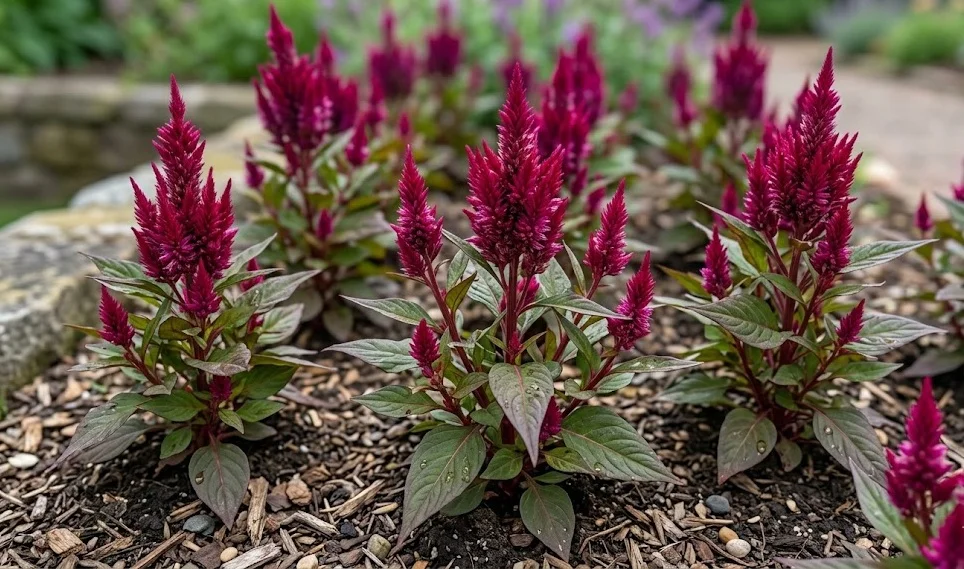

Pruning and cutting back the purple celosia is a vital maintenance task that ensures the plant remains productive, healthy, and aesthetically pleasing. While some gardeners may feel hesitant to cut into their beautiful plumes, professional horticulturists understand that strategic trimming is essential for the plant’s vigor. This practice not only encourages more flowers but also helps manage the plant’s shape and prevents the spread of diseases. By following a technical and methodical approach to pruning, you can significantly extend the blooming season of your ‘Caracas’ specimens.
The primary reason for pruning this variety is “deadheading,” which involves the removal of faded or spent flower spikes before they can produce seeds. When a plant begins to set seed, it shifts its energy away from growth and flower production toward reproductive maturity. By interrupting this process through pruning, you signal to the plant that it should continue to produce new buds and maintain its vibrant colors. This simple act of intervention is the secret to keeping your garden looking fresh and full of life throughout the summer and into the autumn.
Structural pruning is also important for maintaining a compact and bushy growth habit, especially if the plant starts to become top-heavy. As the flower spikes grow, they can sometimes put a strain on the main stem, increasing the risk of breakage during wind or heavy rain. By thinning out some of the older growth or shortening overly long branches, you create a more stable and resilient plant structure. This professional attention to form ensures that the purple celosia remains an architectural highlight of your flower beds or container arrangements.
Hygiene is a critical component of any pruning routine, as open cuts can serve as entry points for pathogens if not handled correctly. Always use sharp, sterilized tools to ensure clean wounds that the plant can heal quickly and efficiently. Furthermore, pruning provides an excellent opportunity to inspect the inner parts of the plant for pests or signs of fungal issues that might otherwise go unnoticed. Incorporating these tasks into your regular gardening schedule is a hallmark of an expert who values both the health and the beauty of their collection.
Deadheading for continuous and vibrant blooms
Deadheading is the most frequent pruning task you will perform on your purple celosia, and it should be done as soon as a flower spike begins to fade. You will notice the vibrant violet color starting to turn brown or gray at the base of the plume when the flower is past its peak. To remove the spent bloom, trace the stem down to the first or second set of healthy leaves and make a clean, diagonal cut. This specific placement is important because it encourages the plant to push out new growth from the leaf axils just below the cut.
More articles on this topic
The biological response to deadheading is quite rapid in a healthy, well-fed celosia plant, often resulting in new buds within a week or two. By removing the old flowers, you are essentially “tricking” the plant into staying in its vegetative and flowering phase for as long as possible. This is particularly effective for the ‘Caracas’ variety, which has a natural tendency to bloom profusely if given the right encouragement. Regular deadheading can often double the total number of flowers produced over the course of a single growing season.
When you are deadheading, be careful not to damage the emerging buds that are often located just below the main flower spike. A professional eye can distinguish between a new leaf shoot and a developing flower bud, allowing for more precise and effective pruning. If the plant has produced a very large number of small, weak flowers, you may want to remove some of them to allow the plant to focus on a few larger, more impressive spikes. This selective pruning is a common technique used to create show-quality specimens in a professional garden setting.
Finally, make sure to dispose of all pruned material far away from your healthy plants, especially if there is any sign of rot or insect activity. Leaving dead flower heads on the soil surface can attract pests and provide a breeding ground for fungal spores like botrytis. Keeping the area under your plants clean and tidy is an essential part of the deadheading process that contributes to overall garden health. Consistent attention to these small details will reward you with a continuous display of stunning purple plumes until the very end of the season.
Shaping and structural pruning for health
Structural pruning is more about the overall form and health of the plant than just the flowers themselves. If your purple celosia is becoming too leggy or is leaning to one side, you can use strategic cuts to encourage a more balanced and sturdy shape. Shortening the main stems by about one-third can stimulate the plant to branch out lower down, resulting in a fuller and more attractive silhouette. This is best done in the early to mid-summer when the plant still has plenty of time to recover and produce new growth before the weather cools.
More articles on this topic
Another important aspect of structural pruning is “thinning,” which involves removing some of the interior branches to improve air circulation. In dense, bushy plants like the ‘Caracas’ variety, the center can become a trap for humidity and stagnant air, which encourages fungal diseases. By carefully removing a few of the smaller, weaker stems from the middle of the plant, you allow light and air to reach the entire structure. This professional technique is one of the most effective ways to prevent issues like powdery mildew without the use of chemical sprays.
Always look for any stems that are rubbing against each other or growing toward the center of the plant, as these should be the first candidates for removal. Rubbing stems can create wounds in the bark that serve as entry points for bacteria and fungi. Pruning these out not only improves the appearance of the plant but also strengthens its natural defenses against environmental stressors. A well-shaped plant is not only more beautiful but is also much easier to inspect and maintain throughout the year.
If a branch becomes damaged by wind or accidental impact, it should be pruned back to healthy wood immediately to prevent further tearing or infection. Make the cut at a slight angle away from the nearest bud to ensure that rainwater runs off the wound and does not sit on the cut surface. This attention to technical detail is what ensures the long-term health of the plant’s vascular system. By being proactive with structural pruning, you create a purple celosia that is as strong as it is stunning.
End of season rejuvenation and cutting back
As the growing season draws to a close in the late summer or early autumn, the pruning strategy for purple celosia shifts toward preparation for the future. If you are in a frost-free climate where the plant grows as a perennial, you may want to perform a more significant “rejuvenation prune.” This involves cutting the entire plant back to about ten to fifteen centimeters above the ground once the main flowering period has ended. This deep cut allows the plant to enter a period of rest and prepares it for a flush of vigorous new growth in the following spring.
For those growing the ‘Caracas’ variety as an annual, the end of the season is the time to decide if you want to save any seeds for next year. In this case, you should stop deadheading a few of the most beautiful flower spikes and allow them to fully mature and dry on the plant. Once the plumes have turned a dry, tan color, you can cut them off and shake out the tiny black seeds into a paper bag. This is a rewarding way to close the seasonal cycle and ensure that you can enjoy the same beautiful variety in the coming year.
If you are planning to overwinter your plant indoors, a light pruning before moving it inside can make the transition much easier. Remove any excessively long or weak stems and clear away all dead or yellowing foliage from the base of the plant. This reduces the overall size of the plant, making it easier to fit into its indoor space, and lowers the demand on the roots during the stressful move. It also ensures that you are not bringing any hidden pests or diseases into your home along with the plant.
Finally, once a hard frost has occurred and the plant’s life cycle is complete, the final pruning task is to remove the entire plant from the garden. Pulling it up by the roots or cutting it off at ground level prevents the decaying material from harboring pests through the winter. If the plant was healthy, it can be added to your compost pile, where its organic matter will eventually return to the soil to feed the next generation of plants. This final act of tidying is the last step in a professional and successful year of caring for the purple celosia.