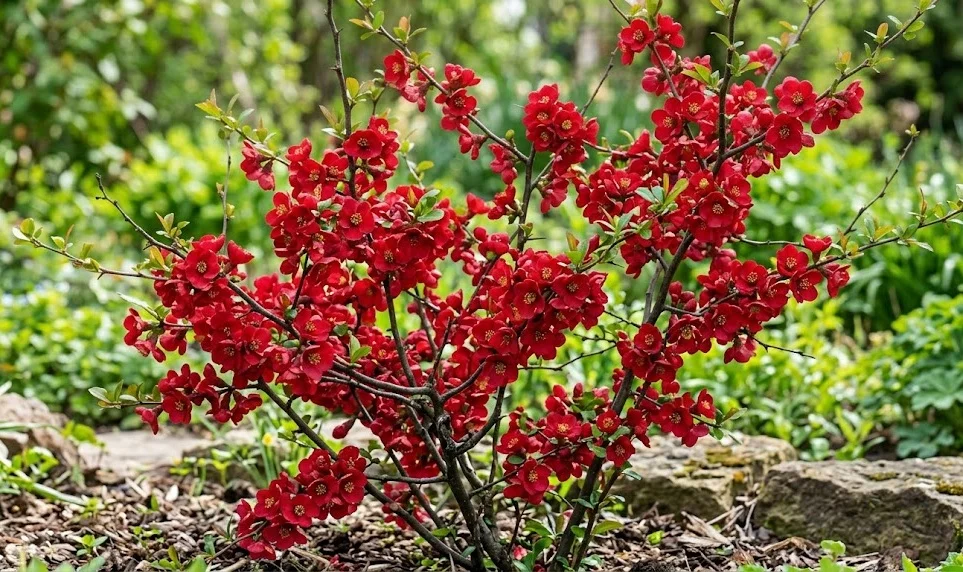

Protecting the crimson flowering quince from various biological threats is a necessary part of maintaining a healthy and vibrant garden landscape. While this species is generally regarded as a tough and resilient shrub, it is not entirely immune to the pressures of specialized pests and opportunistic diseases. Identifying these issues early is the key to preventing long-term damage and ensuring the plant remains a productive part of your collection. A proactive approach to plant health will always yield better results than trying to fix a severe infestation or infection after it has taken hold.
Most diseases that affect this shrub are fungal in nature, often thriving in conditions where moisture is high and air circulation is restricted. Leaf spot is perhaps the most common ailment, manifesting as small, dark lesions that can eventually cause the foliage to drop prematurely. While a few spots are rarely a cause for alarm, a widespread infection can weaken the plant by reducing its ability to photosynthesize. Understanding the lifecycle of these fungi allows you to intervene at the most effective times to disrupt their spread.
Pests, on the other hand, range from tiny insects that suck the sap from the leaves to larger creatures that might browse on the bark or fruit. Aphids are frequent visitors in the spring, congregating on the tender new growth and causing the leaves to curl and distort. Scale insects are another concern, often appearing as small, waxy bumps on the stems that can eventually lead to branch dieback if left unchecked. Regular inspections are your first line of defense, allowing you to catch these hitchhikers before they establish a large colony.
Maintaining overall plant vigor is the best way to prevent most pests and diseases from becoming a serious problem. A stressed plant, whether from drought, poor nutrition, or improper pruning, is much more likely to succumb to an attack than a healthy one. By focusing on the fundamental needs of the crimson flowering quince, you create a natural resistance that makes the plant less attractive to pests. Think of your care routine as the immune system of your garden, providing a robust barrier against the many threats that exist in the environment.
Fungal issues and their management
Leaf spot fungi are particularly prevalent during wet, cool springs when the new leaves are most vulnerable to infection. The spores are often carried by splashing rain or overhead irrigation, landing on the foliage and beginning their destructive work. To manage this, you should always avoid watering the leaves directly and instead focus your irrigation efforts on the base of the plant. Thinning out the center of the shrub to improve airflow will also help the leaves dry out more quickly after a rain event, making it harder for the fungi to survive.
More articles on this topic
Fire blight is a more serious bacterial disease that can affect the crimson flowering quince, as well as many other members of the rose family. It typically starts at the tips of the branches, causing them to turn black and shrivel as if they had been scorched by fire. This disease can move quickly through the vascular system of the plant, potentially killing entire sections of the shrub in a single season. If you spot these symptoms, you must prune out the affected branches immediately, cutting several inches into healthy wood to ensure you have removed the entire infection.
Powdery mildew is another fungal problem that often appears during the late summer when the days are warm and the nights are cool and humid. It looks like a white, dusty coating on the surface of the leaves, and while it rarely kills the plant, it can be quite unsightly and may stunt growth. You can often manage mild cases by simply improving the light and air around the plant or by using a simple baking soda spray. Choosing resistant varieties and maintaining proper spacing during planting are the best long-term strategies for avoiding this pervasive issue.
Cleaning up fallen leaves and debris at the end of the growing season is a critical step in breaking the cycle of fungal diseases. Many of these pathogens spend the winter hiding in the leaf litter, waiting for the warmer temperatures of spring to re-infect the new growth. By removing and destroying infected material rather than composting it, you significantly reduce the local population of spores. This simple act of garden hygiene is one of the most effective tools in your arsenal for maintaining a disease-free environment for your shrubs.
Common insect pests and control methods
Aphids are often the first pests to arrive in the spring, drawn to the nutrient-rich sap of the emerging flower buds and young leaves. These small, pear-shaped insects come in various colors and can multiply at an alarming rate if they are not kept in check. In many cases, a strong blast of water from a garden hose is enough to knock them off the plant and disrupt their feeding. Encouraging natural predators like ladybugs and lacewings into your garden will also provide a self-sustaining form of pest control that requires no chemicals.
More articles on this topic
Scale insects are more insidious because they are often stationary and can easily be mistaken for natural growths on the bark of the shrub. They feed by piercing the stems and sucking out the sap, which can lead to yellowing leaves and a general loss of vigor. If you notice a sticky substance called honeydew on the leaves or the ground beneath the shrub, it is a strong indicator of a scale or aphid problem. Treating scale usually involves applying a dormant oil spray in the late winter to smother the overwintering insects before they become active.
Spider mites are tiny arachnids that thrive in hot, dry conditions and can cause the foliage to take on a stippled, bronzed appearance. They are so small that they are often hard to see with the naked eye, but their presence is usually marked by fine webbing on the undersides of the leaves. Increasing the humidity around the plant and ensuring it is well-watered during dry spells will make the environment less hospitable for these pests. If an infestation becomes severe, specialized miticides or insecticidal soaps can be used to bring the population under control.
Root-feeding pests, though less visible, can be just as damaging as those that attack the foliage and stems. Certain types of beetle larvae, commonly known as grubs, may feed on the tender roots of the crimson flowering quince, especially in young plants. This can lead to unexplained wilting and a lack of growth, even when the plant appears to have enough water and nutrients. Maintaining a healthy soil ecosystem with beneficial nematodes can help keep these subterranean pests in check without harming the plant or the surrounding environment.
Holistic approaches to plant protection
Integrated Pest Management (IPM) is a professional strategy that focuses on long-term prevention and uses chemicals only as a last resort. This approach starts with selecting the right plant for the right place and maintaining its health through proper cultural practices. By observing your garden regularly, you can catch problems when they are small and can be managed with simple mechanical or biological methods. This not only protects your crimson flowering quince but also preserves the health of the entire garden ecosystem.
Diversity in your plantings is another powerful tool for reducing the impact of pests and diseases in your landscape. When you have a wide variety of species, it is much harder for a single pest to find enough hosts to create a devastating outbreak. Companion planting with species that attract beneficial insects can further enhance the natural defenses of your shrubs. For example, planting herbs like dill or yarrow nearby can draw in predatory wasps that feed on the very insects that might otherwise damage your flowering quince.
Using organic and narrow-spectrum treatments when intervention is necessary helps protect the pollinators and other helpful creatures in your garden. Many broad-spectrum pesticides kill the “good bugs” along with the “bad bugs,” which can lead to even bigger pest problems down the road. Neem oil and insecticidal soaps are excellent choices for many common issues because they have low toxicity and break down quickly in the environment. Always apply these treatments in the late evening or early morning to avoid harming bees and other active pollinators.
The health of the soil is inextricably linked to the health of the plant and its ability to resist biological stressors. Soil that is rich in organic matter and beneficial microbes helps the plant produce the natural compounds it needs to defend itself. Avoid over-using synthetic fertilizers, which can lead to a flush of soft, nitrogen-heavy growth that is particularly attractive to sap-sucking insects. Instead, focus on building a balanced soil profile that supports steady, sturdy growth and a resilient root system.
Dealing with vertebrate pests and fruit damage
In some regions, larger animals like deer or rabbits can pose a significant threat to the crimson flowering quince, especially during the winter months. These animals may browse on the stems or strip the bark, which can girdle and kill the shrub if the damage is extensive. While the thorns provide some level of protection, they are not always enough to deter a hungry animal when other food sources are scarce. Using physical barriers like fencing or tree guards is often the most reliable way to protect young plants from these larger pests.
The fruit of the crimson flowering quince is attractive to birds and small mammals as it ripens in the late summer and autumn. If you are growing the shrub for its fruit, you may need to use netting to prevent the local wildlife from helping themselves before you can harvest. However, many gardeners choose to share a portion of the crop with the birds, enjoying the extra life they bring to the garden. If the fallen fruit is left to rot on the ground, it can attract wasps and other unwanted insects, so it is best to keep the area tidy.
Rodents like voles or mice can occasionally damage the roots or the base of the stems, particularly under the cover of winter mulch or snow. If you notice a sudden decline in the health of a mature shrub, it is worth checking the base for signs of gnawing or tunneling. Keeping the mulch a few inches away from the trunk and maintaining a clear area around the base can help discourage these small pests. In severe cases, you may need to use live traps or other management strategies to protect your valuable landscape plants.
Managing pests and diseases is an ongoing part of the gardening journey that requires both knowledge and observation. By understanding the common threats to the crimson flowering quince, you can act with confidence to keep your plants healthy and beautiful. Remember that a few insects or a bit of leaf spot are part of a natural garden and do not always require a drastic response. The goal is to maintain a balance where the shrub can flourish and provide you with its spectacular crimson display year after year.