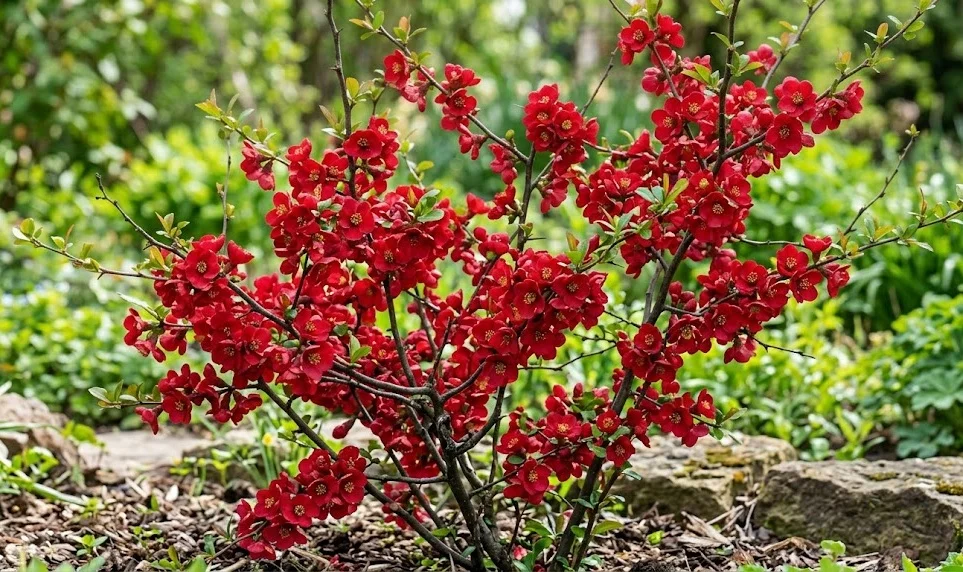

Preparing the crimson flowering quince for the cold winter months is a straightforward process that ensures the shrub remains healthy and ready for its spring display. This species is naturally hardy and capable of surviving significant freezes, but it still benefits from a few targeted protective measures. Overwintering is not just about surviving the cold; it is about managing moisture and preventing the drying effects of winter winds. By taking the time to properly tuck your plants in for the season, you guarantee a more robust start when the temperatures begin to rise again.
The primary concern during the winter is not usually the absolute minimum temperature, but rather the fluctuations between freezing and thawing. These cycles can cause the soil to heave, potentially exposing the delicate roots of young plants to the harsh air. Mature shrubs are better anchored, but they still appreciate a stable environment during their dormant period. Your goal during the autumn should be to help the plant transition into dormancy as naturally and smoothly as possible without any sudden shocks.
Water management remains a critical factor even as the plant’s metabolic activity slows down to a crawl. Many gardeners make the mistake of ignoring their shrubs once the leaves have fallen, but dry winter soil can be a major cause of plant death. Evergreens are more susceptible, but deciduous shrubs like the flowering quince still lose moisture through their stems and buds. Ensuring the soil is well-hydrated before the first hard freeze provides a critical reservoir that the plant can draw upon throughout the dormant season.
Wind protection is another aspect of overwintering that is often overlooked in exposed garden sites. Cold winter winds can act like a vacuum, pulling moisture out of the woody stems and causing significant dieback by the time spring arrives. If your shrub is located in a particularly breezy spot, providing a temporary burlap screen or a natural windbreak can make a big difference. This is especially important for young specimens that have not yet developed a thick, protective layer of bark to shield their internal tissues.
Soil insulation and root protection
Applying a fresh layer of mulch is perhaps the most effective single step you can take to protect the root system from winter damage. This organic blanket acts as an insulator, keeping the soil temperature more consistent and slowing down the freezing and thawing cycles. You should use a coarse material like wood chips, bark, or even shredded leaves, spreading it to a depth of about three to four inches. This layer also helps to retain soil moisture, ensuring that the roots do not become dangerously dehydrated during long, dry winter spells.
More articles on this topic
When applying winter mulch, it is crucial to keep the material from touching the main stems or the trunk of the shrub. Trapping moisture and warmth directly against the bark can create a perfect environment for rot or provide a hiding place for rodents that might gnaw on the plant. Leave a small circle of bare earth around the base of the plant to allow for proper air circulation and to prevent any moisture-related issues. This simple technique ensures that the mulch provides all of the benefits with none of the potential drawbacks.
For newly planted shrubs, you might consider an even more substantial layer of protection for their first one or two winters. Their root systems are not yet deep enough to be completely safe from deep soil freezes, so a bit of extra insulation can be a lifesaver. You can even pile up some extra leaves around the base of the plant, securing them with a bit of chicken wire if necessary. This extra effort during the early years pays off by ensuring the plant reaches maturity with a healthy, undamaged root structure.
Late autumn is also an excellent time to check the soil drainage one last time before the ground freezes solid. The crimson flowering quince does not like to sit in ice-cold, soggy soil, which can lead to root suffocation and rot. If you notice that water is pooling around the base of the plant after a late season rain, you might need to adjust the grade or add some drainage channels. A well-drained site is much safer during the winter than a low-lying area where water and ice tend to accumulate.
Timing the transition to dormancy
The transition to dormancy is a complex biological process that the plant manages based on decreasing day length and falling temperatures. You can support this process by withholding fertilizer from mid-summer onwards, as late-season nutrients can trigger a flush of new growth. This soft, green wood will not have enough time to “harden off” or develop a protective outer layer before the first frost hits. By allowing the plant to stop growing naturally, you ensure that all its tissues are prepared for the sub-zero temperatures to come.
More articles on this topic
Pruning should also be avoided in the late autumn, as it can stimulate the plant to break dormancy if a warm spell occurs. Any cuts made late in the season are also slower to heal, leaving the plant vulnerable to diseases and pests that might still be active. The best time for any major structural work is immediately after flowering in the spring or during the height of the dormant season in late winter. Letting the plant enter winter with its full structure intact provides a bit of extra natural insulation for the inner stems.
If you live in a region that experience very early or unexpected autumn freezes, you may need to be ready to provide some emergency cover. A simple old sheet or a piece of frost cloth thrown over the shrub can protect the remaining foliage and the newly formed flower buds from damage. While the plant itself is hardy, the buds for next spring’s flowers are the most sensitive part of the shrub during the transition. Protecting them during a sudden cold snap ensures that your spring floral display is not lost before it even begins.
Monitoring the plant as it drops its leaves can also give you clues about its overall health and readiness for winter. A healthy crimson flowering quince will typically show a clean leaf drop, with the foliage turning yellow or bronze before falling. If the leaves turn black and hang on the plant, it may be a sign of a sudden freeze or a late-season disease issue. Keeping a record of these observations over the years helps you understand the natural rhythm of your garden and how your plants respond to the changing climate.
Winter monitoring and early spring care
Even when the garden is covered in snow, it is a good idea to keep an eye on your crimson flowering quince from time to time. Heavy, wet snow can weigh down the arching branches, potentially causing them to snap or become permanently deformed. You can gently brush off excessive snow accumulation with a broom, but be careful not to hit the frozen wood too hard, as it becomes quite brittle in the cold. If a branch does break, wait until a milder day to make a clean cut and remove the damaged section.
Animal damage is often most severe in the late winter when other food sources have been exhausted by local wildlife. Check the base of your shrubs for any signs of bark stripping or gnawing by rabbits or deer. If you see damage, you may need to wrap the trunk with a plastic guard or set up a temporary fence to prevent further issues. These animals can be quite persistent, so a physical barrier is usually much more effective than chemical repellents during the harsh winter months.
As the days begin to lengthen in late winter, the plant will slowly start to wake up, even if the air still feels cold. This is the ideal time for a bit of dormant pruning if you need to thin out the center of the shrub or remove any dead wood. Working while the plant is still dormant is easier because you can clearly see the structure of the branches without the interference of leaves. It also minimizes the stress on the plant, as the wounds will have time to begin healing just as the spring growth surge begins.
The appearance of the first flower buds is the final sign that the overwintering process has been successful. These small, colorful tips are a testament to the plant’s resilience and the care you have provided throughout the dark months. Once the threat of extreme cold has passed, you can begin to pull back the extra winter mulch and start your spring care routine. Your crimson flowering quince is now ready to reward your efforts with its spectacular, early-season bloom that marks the true beginning of the gardening year.