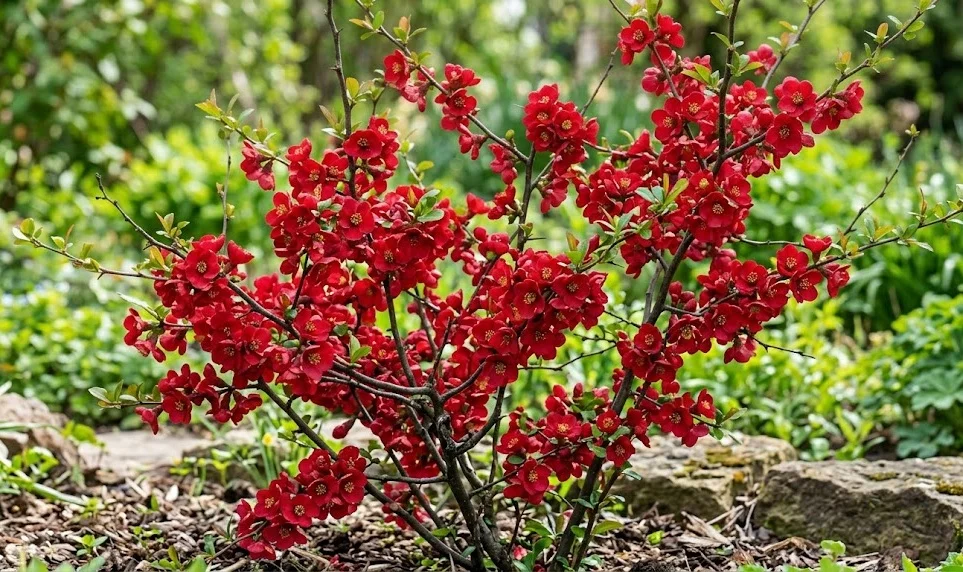

Understanding the light requirements of the crimson flowering quince is a fundamental step in ensuring its long-term health and aesthetic appeal. This versatile shrub is known for its ability to grow in a variety of light conditions, but its flowering potential and growth habit are directly influenced by the amount of sun it receives. Whether you are planting a single specimen or a long hedge, the orientation and exposure of the site will determine the quality of the spring display. Finding the perfect balance of light will help you unlock the full beauty of this classic garden favorite.
In the world of gardening, light is the primary source of energy that fuels every biological process within the plant. For the crimson flowering quince, sunlight is especially important because it triggers the production of the pigments and sugars needed for those brilliant spring blossoms. While the shrub can survive in less-than-ideal light, a lack of sun will always result in a sparser floral show and a more leggy, unattractive form. When planning your garden layout, always prioritize the sunniest spots for this species if you want to see it at its best.
Direct sunlight for at least six to eight hours a day is generally considered the “sweet spot” for maximizing flower production. In these conditions, the plant develops a dense, compact habit with branches that are literally covered in buds from the base to the tips. The leaves will also be a darker, richer green, providing a beautiful backdrop for the flowers and the subsequent fruit. If you have a south-facing wall or an open area in the middle of the lawn, these are the locations where the shrub will truly thrive and become a standout feature.
However, the plant is also remarkably tolerant of partial shade, making it a valuable option for gardens with mature trees or nearby buildings. In these settings, you may notice that the shrub grows a bit more slowly and that the branches reach out towards the light, creating a more open and airy silhouette. While the number of flowers might be reduced, the individual blooms are often just as vibrant, and the plant remains a healthy and structural component of the landscape. Understanding these trade-offs allows you to make informed decisions about where to place your shrubs for the best overall effect.
Adapting to different light exposures
The quality of light can vary significantly depending on the time of day and the time of year, and the plant responds to these changes in subtle ways. Morning sun is often preferred by many gardeners because it is bright but cool, helping to dry off any overnight dew and reducing the risk of fungal issues. Afternoon sun is much more intense and can be quite hot, especially during the peak of summer. If you live in a very warm climate, providing a bit of filtered shade during the hottest part of the day can actually help prevent the leaves from scorching.
More articles on this topic
The transition between seasons also shifts the light patterns in your garden, as the sun moves lower in the sky and the days get shorter. During the late winter and early spring, when the crimson flowering quince is preparing to bloom, the lack of leaves on nearby deciduous trees can be a major advantage. This extra “winter sun” provides a boost of energy just when the plant needs it most to push out its flowers. As the trees leaf out in the summer, the resulting shade can actually be a welcome relief from the intense heat for the shrub.
Light requirements can also vary depending on the specific cultivar or variety of the flowering quince you are growing. Some types have been bred to be more shade-tolerant, while others are specifically designed to handle the most intense full-sun conditions. If you are unsure about the needs of your particular plant, it is always a good idea to check the label or consult with a local nursery expert. Generally speaking, however, the crimson-flowered varieties tend to perform best when they have access to plenty of bright, direct light.
When planting near structures like fences or walls, you should consider how the light will change throughout the day and how the structure might cast a shadow. A plant that is in full sun in the morning might be in deep shade by two o’clock in the afternoon, which can affect its growth symmetry over time. To ensure a balanced and attractive shrub, try to place it where it will receive light from multiple angles. This encourages the plant to grow evenly in all directions rather than leaning or becoming thin on one side.
Managing light for optimal health and aesthetics
If you notice that your crimson flowering quince is becoming overly leggy or that it is only blooming on one side, it is a clear sign of light imbalance. In such cases, you might need to prune back nearby plants that are overshadowing it or perhaps even consider moving the shrub to a sunnier location. Pruning itself can also be a way to manage light within the plant’s own canopy. By thinning out the dense inner branches, you allow more light to reach the center of the shrub, which encourages flower buds to form on the interior wood as well.
More articles on this topic
The interaction between light and water is another critical factor to keep in mind for the health of your shrubs. Plants in full sun will lose moisture much more quickly through their leaves and the soil surface, requiring more frequent watering during dry spells. Conversely, plants in more shaded areas will stay wet for longer, making them more susceptible to root rot if the soil does not drain well. Balancing your irrigation schedule to match the light exposure of each plant is a mark of a truly professional gardener.
In urban or small-scale gardens, you can sometimes use reflective surfaces to increase the amount of light your plants receive. A light-colored wall or a fence can bounce extra sunlight onto a shrub that might otherwise be in a bit of a dark corner. This technique can be surprisingly effective for boosting flower production and improving the overall vigor of the plant. Just be careful not to create a “heat trap” where the reflected light becomes so intense that it damages the foliage during the height of summer.
Ultimately, the goal is to provide a consistent and appropriate light environment that allows the crimson flowering quince to reach its full potential. While it is a tough plant that can handle a lot of variation, it will always reward you for finding that perfect sunny spot. By paying attention to the light patterns in your garden and adjusting your care accordingly, you ensure a spectacular crimson display every spring. The right light is the foundation upon which all other gardening successes are built.

