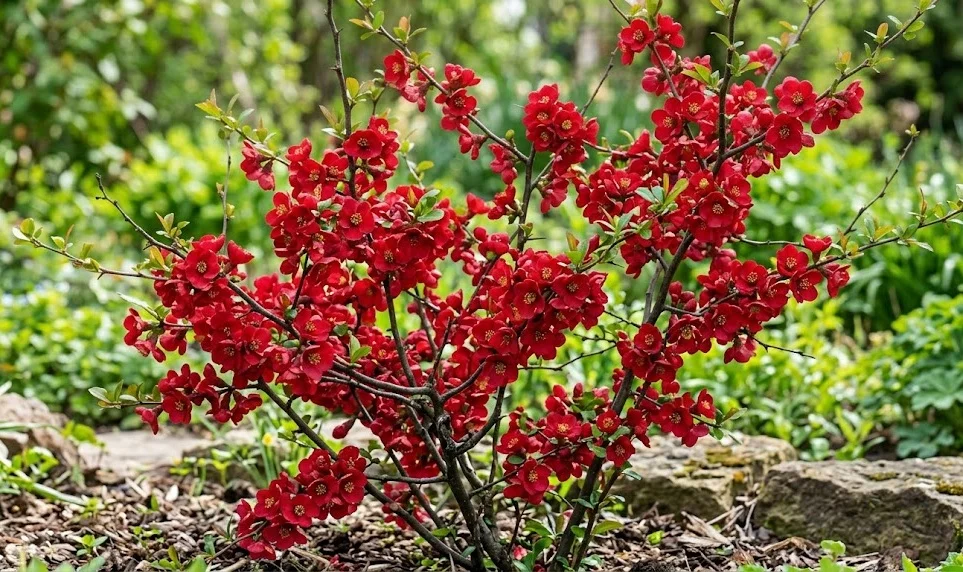

Caring for the crimson flowering quince requires a blend of patience and specific horticultural knowledge to ensure its vibrant spring display. This hardy deciduous shrub is beloved for its early blossoms that appear before the leaves, providing a much-needed splash of color in the late winter garden. Gardeners often value this plant for its resilience, yet it truly thrives when its specific needs regarding soil, moisture, and placement are met with precision. Developing a consistent care routine will transform a standard shrub into a stunning focal point that returns with vigor every single year.
Establishing the right foundation starts with understanding the native origins and natural tendencies of this versatile woody plant. It prefers a location where it can remain undisturbed for many years, as its root system does not always take kindly to frequent relocation. You should observe how the plant interacts with its surrounding flora to ensure it has enough space to spread its arching branches naturally. Giving the shrub ample room allows for better air circulation, which is a critical factor in preventing the many fungal issues that can plague dense foliage.
The soil composition serves as the primary engine for the plant’s growth and its ability to produce high-quality blossoms. A slightly acidic to neutral soil profile is ideal because alkaline conditions often lead to chlorosis, where the leaves turn yellow due to iron deficiency. If your garden soil is heavy clay, you must incorporate organic matter like compost or well-rotted manure to improve drainage and aeration. Maintaining a loose soil structure encourages the roots to penetrate deeper into the earth, making the plant more resilient during the hot summer months.
Seasonal transitions dictate the specific care tasks you will need to perform to keep the shrub in peak condition throughout the calendar year. In the spring, the focus is entirely on supporting the heavy bloom cycle and the subsequent emergence of fresh, glossy green foliage. As summer approaches, the emphasis shifts toward moisture retention and protecting the root zone from excessive heat through the application of mulch. Autumn is the time for structural assessment, allowing you to prepare the plant for the dormant winter period while ensuring the wood is properly hardened.
Soil management and nutrient balance
The long-term health of the crimson flowering quince is deeply rooted in the chemical and physical properties of the ground it inhabits. While it is a remarkably adaptable species, it will show its appreciation for nutrient-rich, loamy soil through increased flower production and faster growth rates. You should avoid areas where water tends to stand after a heavy rain, as constant wet feet will quickly lead to root rot. Testing your soil pH every few years is a professional practice that helps you adjust the acidity levels before visible signs of stress appear.
More articles on this topic
Adding organic amendments is not just a one-time task during planting but should be an ongoing part of your garden maintenance strategy. Every spring, a fresh layer of high-quality compost spread around the base of the shrub provides a slow-release source of vital nutrients. This organic layer also encourages beneficial microbial activity in the soil, which helps break down minerals into forms that the plant can easily absorb. Over time, this practice builds a robust soil ecosystem that supports the shrub’s immunity against various environmental stressors.
Mineral deficiencies can often be identified by looking closely at the coloration and size of the new leaves emerging in late spring. If you notice a pale green or yellowish tint between the veins, it is highly likely that the plant is struggling to access sufficient iron or manganese. In such cases, applying a chelated iron supplement can provide a quick fix, though long-term pH adjustment is the more sustainable solution. Professional growers often use a balanced, slow-release fertilizer early in the season to prevent these nutritional gaps from occurring in the first place.
Mulching serves a dual purpose by suppressing weeds and maintaining the consistent soil temperatures that the crimson flowering quince prefers. A layer of bark chips or shredded leaves about three inches thick is sufficient to insulate the roots from the fluctuations of early spring weather. Be careful to keep the mulch a few inches away from the main stems to prevent moisture from trapped against the bark, which can encourage rot. As the mulch breaks down, it further enriches the soil, creating a self-sustaining cycle of fertility and protection.
Architectural shaping and spatial planning
The natural growth habit of this shrub is somewhat chaotic, with branches often crisscrossing and creating a dense, thorny thicket if left entirely to its own devices. Proper care involves guiding this growth to highlight the elegant arching form of the stems while keeping the center of the plant open to light. By selecting a few main structural branches to prioritize, you can create a more organized silhouette that fits better into a formal garden design. This approach not only looks better but also makes the eventual harvesting of the small, fragrant fruits much easier.
More articles on this topic
Spatial planning is vital because the crimson flowering quince can reach a significant width over several decades of healthy growth. When choosing a companion plant, consider species that enjoy similar soil conditions but offer visual interest at different times of the year. For example, planting low-growing spring bulbs around the base can complement the early blossoms before the shrub’s leaves fully develop. Avoid planting aggressive groundcovers directly beneath the canopy, as they might compete too heavily for the water and nutrients required by the shrub.
The thorns of the plant are a defining characteristic that requires respectful handling and strategic placement within the landscape. They make the shrub an excellent choice for a defensive hedge or a boundary marker, as they effectively deter unwanted animal or human traffic. However, you should avoid placing it too close to narrow walkways or children’s play areas where accidental contact is likely to occur. Understanding the physical nature of the plant allows you to utilize its strengths while minimizing the inconvenience of its protective hardware.
Long-term care involves monitoring the height and spread to ensure the shrub does not overshadow smaller plants in its vicinity. If the plant becomes too large for its designated space, you can manage its size through careful, selective thinning rather than aggressive topping. This method preserves the natural beauty of the flowering wood while keeping the overall dimensions under control. A well-placed crimson flowering quince acts as an anchor for the garden, providing structure and reliable color year after year.
Managing the bloom cycle and fruit production
The spectacular flowering period is the primary reason most gardeners choose to include the crimson flowering quince in their collection. To maximize this display, the plant needs to be exposed to a certain amount of winter chill, followed by a steady increase in temperature. Any late spring frosts can potentially damage the developing buds, so providing a sheltered location can help preserve the flowers during volatile weather. Watching the buds swell in late winter is one of the most rewarding experiences for a dedicated gardener.
Once the flowers fade, the plant begins the process of developing its hard, green fruits which eventually ripen into a golden yellow. These fruits are technically edible but are extremely tart and hard when raw, making them better suited for preserves or jellies. If you are growing the shrub primarily for its ornamental value, you can choose to leave the fruits on the branches for winter interest. Birds and other wildlife may occasionally visit the plant to forage, adding an element of ecological value to your backyard.
To encourage a more prolific bloom the following year, it is important to ensure the plant is not under drought stress during the summer when the next season’s buds are forming. Even though the shrub is relatively tough, a lack of water during the critical bud-setting phase will result in a sparse display the next spring. Providing deep, occasional watering during dry spells ensures the plant has the energy reserves needed for flower production. This foresight in care is what separates a thriving specimen from one that merely survives.
Fertilization timing is another key factor in managing the bloom cycle effectively for the crimson flowering quince. You should avoid applying high-nitrogen fertilizers late in the summer, as this can stimulate soft, green growth that will not have time to harden before winter. Instead, focus on phosphorus-rich supplements in the early spring to support the metabolic demands of flowering. A balanced approach to nutrition ensures that the plant remains healthy without sacrificing its ability to produce an abundance of crimson blossoms.
Environmental resilience and adaptability
The crimson flowering quince is known for its ability to withstand urban environments, including moderate air pollution and varying soil qualities. This makes it a popular choice for city gardens or public parks where maintenance might be less frequent than in a private estate. It can tolerate a range of light conditions, though its performance is noticeably better when it receives at least six hours of direct sunlight. In more shaded areas, the plant will still grow, but the flowers will be fewer and the growth habit more leggy.
Wind resistance is another notable quality of this shrub, as its sturdy, woody stems are not easily broken by strong gusts. This makes it a suitable candidate for windbreaks or as a protective layer for more delicate plants in exposed garden sites. However, extreme winds can sometimes dry out the foliage, so some level of protection from the prevailing winter winds is still beneficial. Its ability to hold its own against the elements makes it a reliable choice for gardeners in challenging climates.
Adaptability to different temperatures allows this shrub to be grown across a wide range of hardiness zones. It can survive quite cold winters, though the flower buds are the most sensitive part of the plant during extreme freezes. In warmer regions, the challenge is often providing enough of a cooling period to trigger the dormant phase required for blooming. Understanding your local microclimate will help you decide if any additional winter protection or summer shading is necessary for the plant’s health.
The shrub’s deep root system contributes to its impressive drought tolerance once it has reached maturity. While young plants need regular watering to establish themselves, older specimens can often get through dry periods with minimal intervention. This makes it an excellent choice for low-maintenance or xeriscaped landscapes that aim to conserve water. Even in a drought, the plant usually maintains its foliage, providing a consistent green backdrop for other, more sensitive garden features.
Long-term health and rejuvenation strategies
As the crimson flowering quince ages, it may begin to lose some of its vigor, with older branches becoming less productive and more prone to disease. Rejuvenation involves a multi-year plan to slowly remove the oldest wood and encourage the growth of fresh, energetic stems from the base. You should never remove more than a third of the plant in a single year to avoid shocking the system too severely. This gradual renewal process ensures that the shrub remains youthful and continues to bloom heavily as it matures.
Monitoring for signs of systemic stress is a routine part of expert care that prevents minor issues from becoming fatal. Check the base of the stems for any signs of bark splitting or fungal growths that might indicate a problem with the vascular system. If a particular branch looks sickly or fails to leaf out in the spring, it is best to remove it entirely to protect the rest of the plant. Maintaining a clean environment around the shrub by removing fallen leaves and debris also reduces the risk of long-term health complications.
Integrating the shrub into a holistic garden management plan means considering its role in the local ecosystem. By avoiding harsh chemical pesticides, you allow beneficial insects like predatory mites and ladybugs to help control pest populations naturally. This balanced approach creates a more resilient garden environment where the crimson flowering quince can thrive without constant human intervention. A healthy plant is naturally more resistant to problems, so focusing on overall vigor is the best preventive medicine.
Finally, documentation can be a helpful tool for any serious gardener looking to master the care of this specific species. Keeping a simple log of bloom dates, fertilization schedules, and any observed pest issues helps you identify patterns over the years. You might notice that the plant responds particularly well to a certain type of organic mulch or a specific watering frequency. This personalized knowledge allows you to fine-tune your care routine to perfectly match the unique conditions of your own garden.
Propagation and future planning
While caring for an existing plant is rewarding, many enthusiasts eventually want to expand their collection or share the beauty of the crimson flowering quince with others. Success in propagation requires a clear understanding of the plant’s reproductive cycle and the different methods available. Whether you choose to work with seeds, cuttings, or layering, each technique requires specific environmental conditions to be successful. Planning for future generations of plants ensures that this beautiful species remains a staple of your landscape for years to come.
Softwood cuttings taken in early summer are often the most effective way to create genetically identical clones of a particularly prized specimen. You will need a high-humidity environment and a well-draining rooting medium to encourage the small stems to develop their own root systems. This process takes several weeks of careful monitoring to ensure the cuttings do not dry out or succumb to rot. Once roots are established, the young plants can be slowly acclimated to outdoor conditions before being moved to their permanent homes.
Layering is a more passive but highly reliable method that takes advantage of the shrub’s natural tendency to root where its branches touch the ground. By pinning a low-growing branch to the soil and covering a small section with earth, you can encourage root formation while the stem is still attached to the parent plant. This method is slower than taking cuttings, often requiring a full year before the new plant is ready to be severed and moved. It is, however, much less stressful for the developing clone since it continues to receive nutrients from the mother plant.
Growing from seed is an option for those who enjoy the surprise of genetic variation, as the offspring may not exactly resemble the parent plant. The seeds require a period of cold stratification to break their dormancy, mimicking the natural winter conditions they would experience in the wild. This path requires the most patience, as it can take several years for a seedling to reach flowering size. Regardless of the method chosen, expanding your garden with home-grown crimson flowering quinces is a testament to your skill as a dedicated gardener.