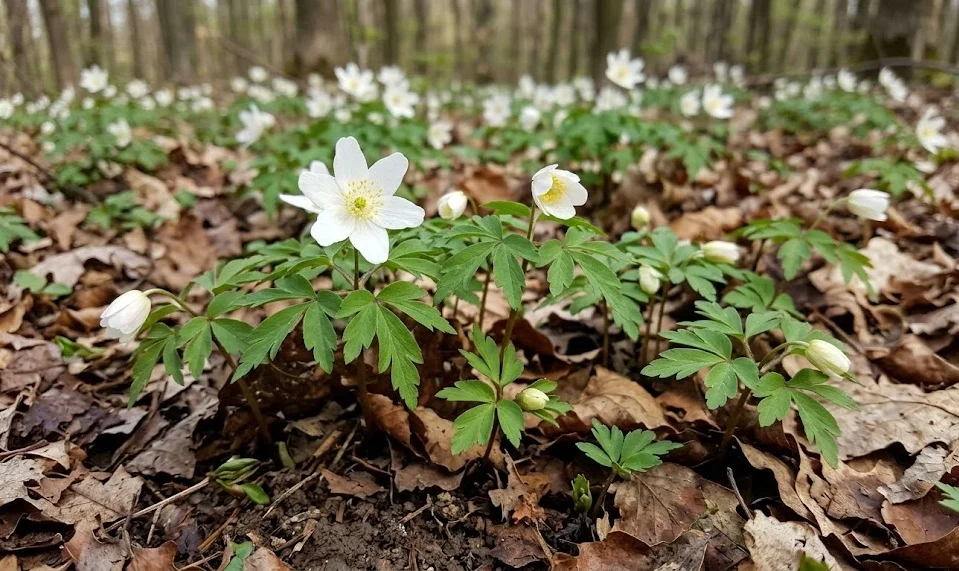

Maintaining the health of wood anemones involves a proactive approach to identifying and managing various diseases and pests that can threaten these delicate woodland plants. While they are generally hardy when grown in their ideal conditions, they are not entirely immune to environmental stressors or biological invaders. A professional gardener must be able to recognize the early signs of trouble to prevent a minor issue from becoming a colony-wide catastrophe. Understanding the specific threats faced by this species is the first step toward effective and sustainable protection.
Fungal diseases are perhaps the most common health challenge for wood anemones, especially in damp or overcrowded conditions. You should look out for unusual spotting on the leaves or a fuzzy gray coating, which can indicate the presence of botrytis or other molds. These pathogens thrive when air circulation is poor and the foliage remains wet for extended periods. Taking steps to improve spacing and avoiding overhead watering can significantly reduce the risk of these infections taking hold in your garden.
Pests, ranging from microscopic soil organisms to larger garden visitors, can also take a toll on the vibrancy of your anemone patches. Slugs and snails are particularly fond of the tender new growth that emerges in the early spring, and they can strip a plant overnight. You may also encounter soil-dwelling larvae that feed on the rhizomes, causing the plants to wilt or fail to emerge entirely. Monitoring the garden at night or during damp weather can help you identify the culprits behind any visible damage.
Integrated Pest Management (IPM) is the best philosophy to follow when dealing with these issues in a naturalistic garden setting. This approach prioritizes prevention and physical controls over the use of harsh chemical treatments that can disrupt the woodland ecosystem. You should aim to create a balanced environment where natural predators, such as birds and ground beetles, can help keep pest populations in check. By fostering a healthy garden habitat, you make your wood anemones more resilient to the challenges they will inevitably face.
Fungal pathogens and rot
Rhizome rot is the most devastating disease for wood anemones and is almost always caused by excessive moisture and poor drainage. You will notice that affected plants fail to sprout in the spring, or the emerging leaves quickly turn yellow and collapse. If you dig up a suspected rhizome, it will feel soft, slimy, and may have a foul odor, which are clear signs of fungal decay. Prevention is the only real cure, as once the rhizome has rotted, the plant cannot be saved.
More articles on this topic
Anemone rust is another fungal issue that can appear as small, orange or brown pustules on the undersides of the leaves. This disease can stunt the growth of the plant and reduce the number of flowers produced in subsequent years. You should remove and destroy any infected foliage as soon as you see it to prevent the spores from spreading to healthy plants. It is important not to compost this material, as the spores can survive the decomposition process and reinfect your garden later.
Downy mildew can also be a problem during particularly wet and cool springs, appearing as pale patches on the upper leaf surfaces. This fungus can cause the leaves to distort and eventually die back prematurely, weakening the underground rhizome. You can manage this by thinning out dense patches to improve airflow and ensuring that the plants are not overcrowded by other vegetation. In severe cases, an organic sulfur-based spray may be used, but cultural controls are usually sufficient.
Maintaining soil hygiene is a professional secret for preventing the buildup of fungal pathogens in your woodland beds. You should avoid over-mulching with fresh, uncomposted materials that can harbor disease-causing fungi. Regularly replenishing the area with well-rotted leaf mold encourages beneficial microorganisms that compete with and suppress harmful pathogens. By focusing on the health of the soil biology, you create a natural defense system that protects your wood anemones from the ground up.
Insect pests and their management
Aphids are common garden visitors that can occasionally target the succulent stems and flower buds of wood anemones. These small insects suck the sap from the plant, leading to distorted growth and a sticky residue known as honeydew. You can usually manage minor infestations by simply hosing the plants down with a gentle stream of water or using an insecticidal soap. Encouraging natural predators like ladybugs and lacewings in your garden will provide a long-term solution to aphid problems.
More articles on this topic
The larvae of certain beetles and flies can be more problematic because they attack the plant where it is most vulnerable: underground. These soil-dwelling pests can tunnel into the rhizomes, causing significant damage that may not be apparent until the plant fails to thrive. You should be suspicious if you see localized patches of decline within an otherwise healthy colony. Promoting a diverse soil ecosystem and avoiding the use of broad-spectrum insecticides helps maintain the natural balance that keeps these larvae in check.
Spider mites can sometimes become an issue if the weather is unusually hot and dry, leading to speckled leaves and fine webbing. These tiny pests thrive in stressed plants, so keeping your wood anemones well-hydrated and mulched is the best prevention. If an infestation occurs, increasing the local humidity and using a neem oil-based spray can be effective. However, the best approach is always to ensure the plants are growing in their preferred cool, shaded environment to avoid stress-induced pest problems.
Caterpillars and other leaf-eating insects may occasionally graze on wood anemone foliage, but they rarely cause significant long-term damage. In a healthy woodland garden, these insects are a vital part of the food chain and are usually managed by birds and other insectivores. You should only intervene if the damage is severe and threatening the survival of a young or particularly prized colony. Hand-picking the pests is the most targeted and environmentally friendly way to handle small-scale infestations.
Gastropods and physical protection
Slugs and snails are arguably the most persistent threat to wood anemones, especially during the damp nights of early spring. These gastropods are highly attracted to the tender, emerging shoots and can consume a significant amount of foliage in a short time. You will recognize their presence by the characteristic slime trails and the irregular holes they leave in the leaves. Because wood anemones are low-growing, they are easily accessible to these pests throughout their active season.
Creating physical barriers is a professional and effective way to protect your anemone patches without resorting to chemicals. You can use copper tape around the edges of raised beds or apply a ring of crushed eggshells or grit around individual clumps. These materials are uncomfortable for slugs and snails to cross and can significantly reduce the amount of damage. For larger areas, managing the surrounding habitat by removing hiding spots like long grass or piles of debris can also help.
Nightly patrols with a flashlight are a highly effective, if time-consuming, method for controlling slug and snail populations. You can simply collect the pests by hand and relocate them or dispose of them as you see fit. This direct intervention allows you to protect your most vulnerable plants during the critical weeks of emergence. Setting up beer traps or using organic iron phosphate pellets are other professional options that are safe for pets and wildlife.
Maintaining a clean garden floor by removing old, decaying annual foliage can also reduce the local population of slugs and snails. However, you must balance this with the need to provide leaf mold and mulch for the health of the anemones themselves. The key is to find a middle ground where the soil is nourished but the environment does not become a breeding ground for pests. A healthy population of frogs, toads, and hedgehogs in your garden is the ultimate sign of a balanced ecosystem that manages gastropods naturally.
Environmental stress and physiological issues
Sometimes the “disease” symptoms you see on your wood anemones are actually caused by environmental stress rather than a pathogen. Leaf scorch, which appears as brown, crispy edges on the foliage, is usually a result of too much direct sunlight or a lack of water. You should ensure that your plants are properly shaded, especially during the middle of the day when the sun is strongest. Providing extra mulch and water during dry spells can help the plants cope with temporary weather extremes.
Chlorosis, or the yellowing of leaves while the veins remain green, is often a sign of a nutrient deficiency or a pH imbalance. In wood anemones, this is frequently related to a lack of available iron in soil that is too alkaline. You can correct this by adding acidic organic matter or using a chelated iron supplement as a short-term fix. Testing your soil every few years will help you stay ahead of these nutritional issues and ensure the plants have everything they require.
Premature dormancy is another physiological response to stress, where the plants die back earlier in the season than usual. This is often triggered by a sudden onset of hot, dry weather or a lack of consistent soil moisture during the spring. While the plant may survive, it will have less time to store energy for the following year, leading to smaller flowers in the future. Maintaining a stable, cool environment through proper siting and mulching is the best way to prevent this early shutdown.
Frost damage can occasionally occur if a particularly warm late winter is followed by a sudden hard freeze. The emerging flower buds and young leaves can be turned black and mushy by the ice crystals forming inside their tissues. While you cannot control the weather, you can provide temporary protection with a layer of horticultural fleece or extra leaf litter during these events. Most established wood anemones are hardy enough to recover from minor frost damage, but young plantings may need more care.
Prevention and long-term health strategies
The foundation of a disease-free wood anemone garden is the selection of healthy, high-quality planting material from the start. You should always inspect new rhizomes for any signs of rot, mold, or mechanical damage before putting them in the ground. Buying from reputable nurseries that specialize in woodland plants ensures that you are starting with the best possible genetic stock. Quarantining new additions for a season can also prevent the introduction of new pests or diseases into your existing colonies.
Proper spacing and site selection are your most powerful tools for preventing the spread of diseases within your garden. You should avoid planting wood anemones in the same spot where other susceptible species have recently failed due to soil-borne pathogens. Ensuring that the air can move freely through the canopy of your garden will help the foliage dry out quickly after rain. This simple cultural practice is often more effective than any chemical spray for controlling common fungal issues.
Regular observation and record-keeping allow you to track the health of your garden and identify patterns over time. You should note which areas of your garden seem to be most prone to certain pests or diseases and adjust your care accordingly. Perhaps one corner needs better drainage, or another requires more consistent watering during the spring. This professional, data-driven approach to gardening leads to a more resilient and beautiful landscape that can withstand the test of time.
Finally, remember that a few holes in a leaf or a minor pest presence is not always a cause for alarm in a naturalistic garden. Wood anemones have been surviving in the wild for millennia without human intervention, and they are tougher than they look. Your goal should be to support the plant’s natural defenses and intervene only when the health of the entire colony is at risk. By following these expert guidelines, you can enjoy the ethereal beauty of wood anemones with confidence and peace of mind.