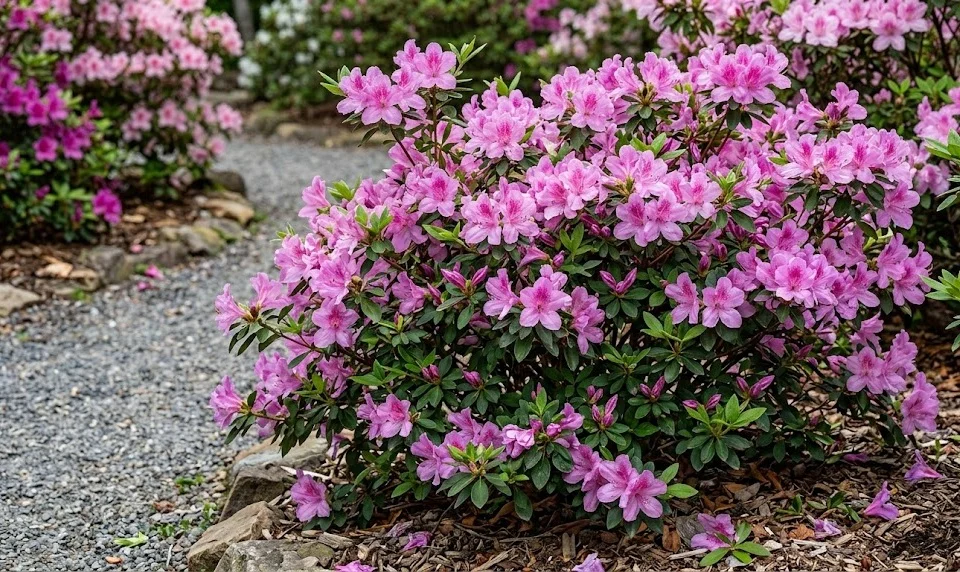

Protecting azaleas from diseases and pests is an ongoing responsibility that requires a proactive and informed approach. While these shrubs are relatively hardy, they can fall victim to various pathogens and insects if they are stressed or grown in improper conditions. Early detection is the most powerful tool in any gardener’s arsenal, as most issues are much easier to treat in their initial stages. By maintaining high standards of garden hygiene and monitoring your plants regularly, you can keep your azaleas healthy and beautiful.
Fungal diseases are among the most common problems encountered by azalea growers, often appearing during periods of high humidity. Petal blight is a particularly frustrating issue that causes flowers to turn into a brown, slimy mess almost overnight. This fungus thrives in cool, wet weather and can spread rapidly from one blossom to another through wind and rain. Removing and destroying affected flowers immediately is essential to prevent the fungus from overwintering in the soil.
Leaf gall is another fungal condition that results in thick, fleshy, and pale-colored swellings on new leaves and flower buds. While it is usually not fatal to the plant, it can be quite unsightly and may reduce the plant’s overall vigor if left unchecked. These galls should be hand-picked and disposed of before they develop a white, powdery coating of spores. Improving air circulation around the plants can help reduce the moisture levels that allow this fungus to thrive.
Powdery mildew appears as a white, dusty coating on the surfaces of the leaves, often during the late summer months. This disease can cause the leaves to distort, turn yellow, and drop prematurely, weakening the plant over time. To manage powdery mildew, avoid overhead watering and ensure the plants are not overcrowded in the landscape. Fungicidal sprays can be effective if the infestation is severe, but cultural controls are always the preferred first step.
Common insect pests
Lace bugs are perhaps the most notorious insect pests for azaleas, causing a distinctive stippling or bronzing on the upper leaf surfaces. These tiny insects live on the undersides of the leaves and suck the sap directly from the plant’s tissues. If you look closely at the bottom of a damaged leaf, you will often see small, dark spots of excrement left behind by the bugs. Severe infestations can cause the leaves to turn almost white and significantly reduce the plant’s ability to photosynthesize.
More articles on this topic
Azalea caterpillars can defoliate a small shrub in a remarkably short amount of time if they are not detected early. These pests are easily identified by their bright colors and their habit of raising their front and back ends when disturbed. They usually appear in late summer and can be managed by hand-picking or by using biological controls like Bacillus thuringiensis. Monitoring the tips of the branches for missing foliage is the best way to catch these hungry invaders before they do major damage.
Spider mites are microscopic pests that often become a problem during hot, dry weather when the plants are under water stress. They cause the leaves to look dull and yellowed, and in heavy infestations, you may see fine webbing between the stems. Because they are so small, you can test for them by shaking a branch over a piece of white paper and looking for tiny moving dots. Keeping the plants well-watered and occasionally rinsing the foliage can help keep mite populations under control.
Stem borers are a more serious threat as they tunnel into the wood and can cause entire branches to wilt and die suddenly. If you notice a single branch dying back while the rest of the plant looks healthy, inspect the base of that branch for small holes or sawdust-like material. The only effective treatment for borers is to prune out the infested wood well below the point of damage and destroy it. Maintaining a healthy plant is the best defense, as borers are more likely to attack stressed or weakened specimens.
Managing root and crown rot
Phytophthora root rot is a devastating disease that often strikes azaleas planted in poorly drained or heavy soils. The symptoms include a general wilting of the plant, followed by yellowing and browning of the foliage, often leading to total collapse. Because the pathogen lives in the soil and attacks the roots, there is often very little that can be done once the symptoms become severe. Prevention through excellent drainage and careful site selection is the only reliable way to deal with this soil-borne killer.
More articles on this topic
Crown rot is a similar issue that affects the base of the stem right at the soil line, often caused by planting too deeply. If the bark at the base of the plant feels soft or looks discolored, the plant may be suffering from this fungal infection. Once the crown is compromised, the flow of water and nutrients between the roots and the leaves is restricted. Avoiding the use of heavy mulch right against the stem and ensuring the plant is set at the correct height will prevent most cases.
To diagnose root issues, you may need to carefully dig up a small section of the roots to inspect their color and texture. Healthy azalea roots should be firm and light in color, while diseased roots will be dark, mushy, and may have a foul odor. If you find evidence of rot, you must act quickly to improve the drainage or move the plant to a more suitable location. Sometimes, replacing the soil in the immediate area is necessary to remove the concentration of fungal spores.
Biological fungicides and soil drenches can sometimes help manage these issues in the early stages, but they are not a silver bullet. The long-term health of the plant depends on creating an environment where the roots can stay dry enough to resist infection. If a plant dies from root rot, it is unwise to plant another azalea in the same spot without significant soil modification. Understanding the limitations of your site’s drainage is a mark of a truly professional gardener.
Integrated pest management
Integrated Pest Management, or IPM, is a professional approach that combines cultural, biological, and chemical tools to manage pests with minimal environmental impact. The first step in an IPM program is always regular scouting and monitoring to identify problems before they reach a critical level. By understanding the life cycles of common pests, you can time your interventions for maximum effectiveness. This method prioritizes the health of the overall garden ecosystem over the total eradication of every single bug.
Encouraging natural predators, such as ladybugs, lacewings, and predatory mites, is a key component of a successful biological control strategy. Avoid using broad-spectrum insecticides that kill these beneficial insects along with the pests you are trying to target. Planting a variety of flowering species nearby can provide the nectar and habitat these helpful predators need to thrive. A balanced garden often takes care of many pest problems without the need for any human intervention at all.
When chemical treatments are necessary, choose the least toxic option that will still be effective against the specific pest identified. Insecticidal soaps and horticultural oils are excellent choices for controlling soft-bodied insects like lace bugs and mites. These products work by physical contact and leave very little residue that could harm non-target species or the environment. Always apply these treatments in the early morning or late evening to avoid burning the foliage in the sun.
Maintaining high standards of garden sanitation is perhaps the most underrated tool in pest and disease management. Removing fallen leaves and spent flowers reduces the places where pathogens and insects can hide during the winter. Pruning out dead or diseased wood as soon as it is noticed prevents the spread of infection to healthy parts of the plant. A clean garden is a healthy garden, and these simple habits pay dividends in the long-term vitality of your azaleas.
Environmental stress and disorders
Not all problems with azaleas are caused by living organisms; many are the result of environmental factors or improper care. Winter burn is a common disorder where the evergreen leaves turn brown and dry out during a cold, windy winter. This happens because the frozen ground prevents the roots from taking up water to replace what is lost from the leaves. Providing a windbreak and ensuring the plant is well-hydrated before the ground freezes are the best ways to prevent this damage.
Sunscald occurs when azaleas that are used to shade are suddenly exposed to intense, direct sunlight. This typically happens after a nearby tree is removed or if a plant is moved to a sunnier location without proper acclimation. The leaves will develop bleached or papery spots where the sun has literally cooked the delicate tissues. If you must move an azalea to a brighter spot, do it gradually or provide temporary shade until the plant can adjust.
Nutrient toxicity can also cause symptoms that look like disease, such as burnt leaf tips or unusual leaf spotting. This is usually the result of over-fertilizing or using products that are not formulated for the specific needs of acid-loving plants. If you suspect fertilizer burn, flushing the soil with large amounts of water can help wash away the excess salts. Always test your soil before adding heavy doses of any nutrient to ensure you are actually solving a problem rather than creating one.
Air pollution and salt spray from nearby roads can also take a toll on the health of your azaleas. In urban areas, soot and dust can accumulate on the leaves, clogging the pores and reducing the plant’s ability to breathe. Occasionally rinsing the foliage with clean water can remove these pollutants and refresh the plant’s appearance. By understanding these non-biological stressors, you can more accurately diagnose what is truly bothering your plants.