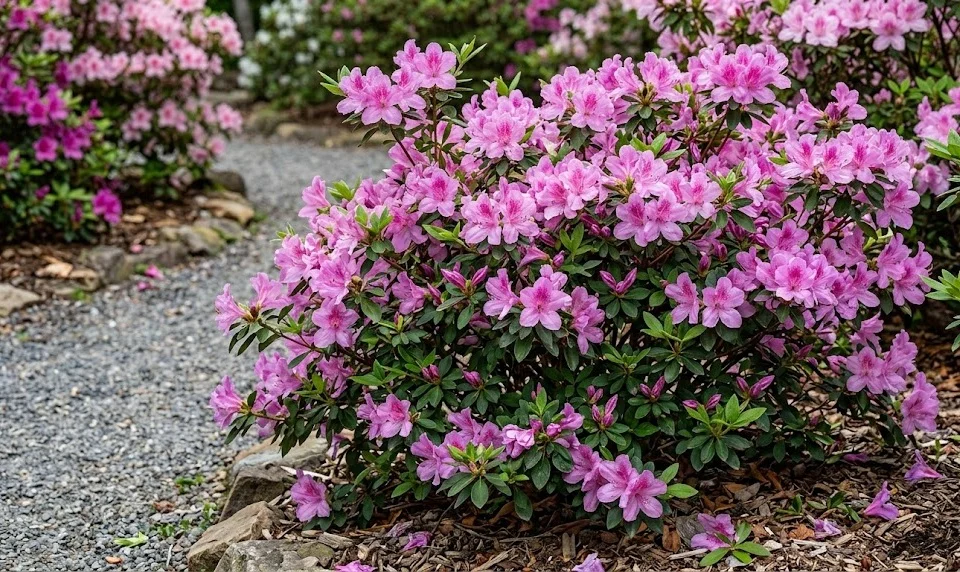

Maintaining the health of azaleas requires a deep understanding of their specific physiological needs and the environment in which they thrive. These plants are often called the royalty of the garden because of their spectacular spring displays, but they demand consistent attention to detail throughout the year. Achieving a balance between soil moisture, light exposure, and nutrient availability is the cornerstone of successful cultivation. When these conditions are met, the reward is a robust shrub that provides aesthetic value for decades.
The foundation of proper care starts with selecting the right location within your landscape to minimize environmental stress. Azaleas prefer a spot that offers protection from the harsh afternoon sun while still providing enough light for flower bud development. If the plant is placed in deep shade, it may become leggy and produce fewer blossoms during the blooming season. Conversely, too much direct sunlight can scorch the leaves and cause the plant to dehydrate rapidly during the summer months.
Soil management is perhaps the most critical aspect of long-term care for these acid-loving species. You must ensure that the soil remains consistently moist but never waterlogged, as stagnant water leads to root rot. Testing the pH level of your garden soil is an essential step, as azaleas require an acidic environment to absorb nutrients properly. Incorporating organic matter such as peat moss or compost can help maintain the necessary acidity and improve the overall soil structure.
Mulching serves as a protective barrier that regulates soil temperature and preserves essential moisture for the shallow root systems of azaleas. A thick layer of pine needles or bark chips should be applied around the base of the plant, taking care not to touch the main stem. This layer also suppresses weed growth, which reduces competition for water and nutrients in the upper soil layers. Refreshing the mulch annually helps maintain these benefits and contributes to the gradual enrichment of the soil.
Understanding seasonal transitions
The transition from spring to summer is a pivotal time for azalea care as the plant shifts its energy from blooming to new growth. Once the flowers have faded, it is important to monitor the plant for any signs of nutrient deficiency or water stress. During periods of high heat, the evaporation rate increases, requiring a more frequent observation of the soil’s moisture levels. Ensuring the plant is well-hydrated during this time supports the development of healthy foliage and prepares the shrub for the coming months.
More articles on this topic
As autumn approaches, the care routine must shift toward preparing the plant for the dormant period. Reducing the frequency of heavy fertilization is necessary to prevent a late-season flush of tender growth that could be damaged by frost. You should focus on maintaining a steady moisture level so the roots are not dry when the ground begins to freeze. This preparation ensures that the plant enters the winter in a strong, resilient state, capable of surviving the cold.
Winter care focuses primarily on protecting the plant from desiccation and physical damage from heavy snow or ice. In areas with harsh winters, providing a windbreak or using burlap covers can prevent the evergreen foliage from drying out. Even though the plant is dormant, the roots still require some moisture, so watering during a mid-winter thaw can be beneficial. These small interventions can make a significant difference in how the plant recovers once spring temperatures return.
Spring marks the most active phase of the azalea’s life cycle and requires a renewed focus on observation. As buds begin to swell, checking for any frost damage from the previous winter is a necessary task for any dedicated gardener. This is also the ideal time to apply a balanced fertilizer specifically formulated for acid-loving plants to boost the upcoming bloom. Early spring care sets the stage for the vibrant colors that define the peak of the azalea season.
Optimizing the growing medium
Creating the perfect soil environment involves more than just checking the acidity levels of the earth. The texture of the soil must be loose and friable to allow the delicate, fibrous roots of the azalea to spread easily. Compacted clay soil is the enemy of these plants because it restricts air movement and traps water around the root ball. By amending heavy soils with coarse sand or organic fiber, you can create the drainage necessary for health.
More articles on this topic
Monitoring the organic content of the medium is a continuous process that requires regular additions of natural materials. Over time, the decomposition of mulch and added compost provides a slow release of nutrients that benefits the plant. This natural cycle mimics the forest floor where azaleas originated, providing a stable and nutrient-rich base. A healthy soil ecosystem full of beneficial microbes will further support the plant’s ability to resist pathogens.
Drainage should be tested by observing how quickly water disappears from a planting hole during a rainy day. If water sits for more than an hour, the site may be unsuitable without significant modification or the installation of raised beds. Raised beds offer a practical solution for gardeners dealing with heavy or poorly drained terrain, as they allow for total control over the soil composition. This method ensures that the root system remains above the saturation zone while still accessing moisture.
Periodic soil testing is the only way to be certain that the chemical balance of the growing medium remains optimal. Over several years, the application of certain fertilizers or even the minerals in tap water can shift the pH toward a more alkaline state. If the pH becomes too high, the plant will suffer from iron chlorosis, which turns the leaves yellow while the veins stay green. Correcting these imbalances early prevents long-term decline and ensures the plant remains vigorous and green.
Managing root zone health
The root system of an azalea is uniquely shallow, which makes it particularly sensitive to changes in the environment. Unlike many other shrubs that have deep taproots, azaleas concentrate their roots in the top few inches of the soil. This structural characteristic means that they are the first to feel the effects of drought or extreme temperature fluctuations. Protecting this zone is the most effective way to ensure the overall health and longevity of the specimen.
Soil compaction in the root zone must be avoided at all costs, as it prevents oxygen from reaching the roots. Avoid walking near the base of the plants or placing heavy garden ornaments in their immediate vicinity. Oxygen is just as important as water for the metabolic processes that occur within the root tissues. When the soil is airy and light, the roots can expand and absorb the resources needed for flower production.
Root rot is a common issue that arises when the balance between moisture and drainage is lost. This fungal condition often goes unnoticed until the foliage begins to wilt and turn brown despite the soil being wet. Prevention is the best cure, which involves ensuring the plant is never sitting in standing water for extended periods. If you suspect root issues, improving the drainage and reducing watering frequency are the first steps toward recovery.
Mycorrhizal fungi play a silent but vital role in the health of azalea roots by forming a symbiotic relationship. These beneficial fungi attach to the roots and help them absorb water and minerals more efficiently from the soil. You can encourage the growth of these fungi by avoiding the over-use of high-phosphorus fertilizers and maintaining organic matter. A diverse soil biology creates a resilient plant that can better withstand various environmental stressors throughout the year.
Adjusting for local climates
Gardeners must be aware that the specific care requirements for azaleas can vary significantly depending on the local climate. In southern regions, the primary challenge is often the intense summer heat and high humidity levels. In these areas, providing deep shade during the afternoon and ensuring consistent moisture is the main priority. Selection of heat-tolerant varieties is also a wise strategy for those living in warmer zones.
In northern climates, the focus shifts toward protecting the plant from extreme cold and drying winter winds. Selecting cultivars that are specifically bred for cold hardiness is the first step toward success in these regions. Mulching becomes even more critical here to prevent the ground from freezing and thawing repeatedly, which can heave the plants. Careful placement near buildings or fences can provide a natural windbreak that shields the foliage.
Coastal environments present their own set of challenges, including salt spray and sandy soils that drain too quickly. Azaleas in these areas may need more frequent watering and extra organic amendments to help the soil hold onto moisture. If the plants are exposed to salt spray, rinsing the foliage with fresh water after a storm can prevent salt burn. Choosing a sheltered location away from direct sea breezes will help the plant maintain its lush appearance.
Urban gardening with azaleas requires consideration of microclimates created by concrete and reflective surfaces. These materials can hold heat and create a much warmer environment than a typical garden setting would offer. Potted azaleas on balconies or patios need very careful monitoring because they can dry out in just a few hours. Using larger containers and self-watering systems can help mitigate the risks associated with urban heat islands.
Maintaining aesthetic vitality
The aesthetic appeal of an azalea is directly linked to its overall health and the care it receives throughout the year. A well-maintained plant will have dense, dark green foliage that serves as a backdrop for its colorful flowers. If the foliage appears sparse or pale, it is usually a sign that the plant is struggling with its environment. Regular observation allows the gardener to intervene before minor issues become major problems that ruin the plant’s form.
Deadheading, or removing spent flowers, is a simple task that can improve the appearance of the shrub significantly. While it is not strictly necessary for the health of the plant, it prevents the formation of seed pods. This allows the plant to redirect its energy into producing new stems and leaves instead of seeds. Additionally, removing old flowers reduces the chances of certain fungal diseases that can take hold in decaying tissue.
The shape of the azalea should be monitored to ensure it fits the intended space in the garden design. While some gardeners prefer a natural, wild look, others may want a more formal or compact appearance. Lightly trimming the tips of the branches after the blooming period can encourage a fuller and more branched habit. This keeps the plant looking tidy and prevents it from becoming too leggy or thin in the center.
Long-term vitality is also supported by occasionally thinning out the center of older, more established bushes. This practice improves air circulation and allows more light to reach the inner branches, which promotes new growth. By removing dead or crossing wood, you reduce the risk of pests and diseases finding a home within the canopy. A clean and open structure ensures that every part of the plant remains productive and healthy.
Advanced care techniques
For the dedicated enthusiast, advanced techniques such as foliar feeding can provide an extra boost during the growing season. This involves spraying a liquid fertilizer directly onto the leaves where it can be absorbed quickly by the plant. This method is particularly effective for correcting minor nutrient deficiencies that appear during peak growth phases. However, it should never replace a solid base of soil fertilization, but rather supplement it.
Monitoring the electrical conductivity of the soil can provide deep insights into the level of dissolved salts present. High salt levels from synthetic fertilizers can damage the sensitive roots and lead to leaf margin burn. By flushing the soil with clean water periodically, you can prevent the buildup of these harmful residues. This practice is especially important for azaleas grown in containers where salts can accumulate rapidly.
Grafting is another advanced practice that some gardeners use to combine the beauty of one variety with the hardiness of another. While most azaleas are grown on their own roots, grafted specimens can offer better resistance to certain soil-borne diseases. Understanding the compatibility between the rootstock and the scion is key to a successful graft. This technique allows for the cultivation of more delicate varieties in environments where they might otherwise struggle.
Finally, keeping a garden journal can be an invaluable tool for tracking the performance of your azaleas over several years. Recording bloom times, weather patterns, and the timing of care tasks helps you identify successful strategies. You can note which treatments were most effective and which areas of the garden produced the best results. This long-term data collection turns gardening into a precise science and ensures the continued health of your collection.