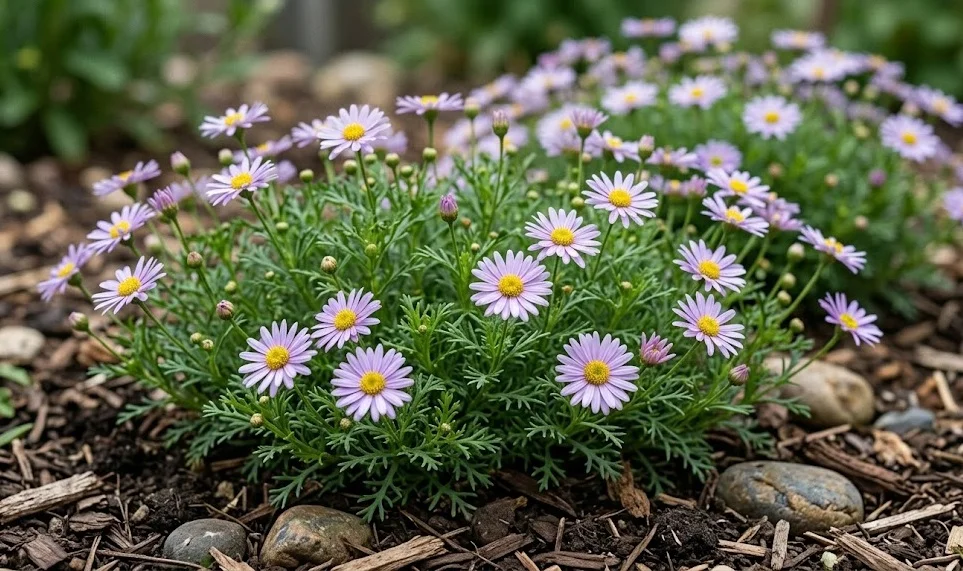

Despite its generally hardy nature, the Australian daisy can fall victim to several fungal diseases if the environmental conditions are unfavorable. High humidity and poor air circulation are the primary drivers for the development of these issues in most garden settings. One of the most frequent problems encountered is powdery mildew, which appears as a white, dusty coating on the leaves and stems. Professional gardeners know that early identification is crucial to prevent the fungus from spreading and compromising the entire plant’s health.
Grey mold, or Botrytis, is another concern that typically affects the flowers and buds during periods of cool, wet weather. It starts as small, water-soaked spots that quickly turn into a fuzzy grey growth that rots the delicate floral tissue. Removing affected parts immediately and improving the spacing between plants can help to stop the progression of the disease. This emphasizes the importance of sanitation in the garden, as fallen debris can harbor spores that lead to future infections.
Root rot is perhaps the most serious fungal threat, often caused by excessively wet soil conditions over a prolonged period. The symptoms are usually seen above ground as a general decline in vigor, yellowing leaves, and a failure to thrive despite adequate care. By the time these signs are visible, the root system may already be severely damaged and difficult to save. Prevention through proper soil drainage and careful watering is the only truly effective strategy for dealing with this underground threat.
To manage fungal issues professionally, it is important to understand the life cycle of the pathogen and the conditions it prefers. Many fungi thrive in stagnant air, which is why proper spacing and trimming are so vital for the Australian daisy. If chemical intervention is necessary, selecting a fungicide specifically labeled for the target organism and the plant species is essential. Always apply treatments in the early morning or evening to avoid harming beneficial insects or causing foliage burn.
Managing sap-sucking insect pests
Insects that feed on the sap of the Australian daisy can cause significant aesthetic damage and weaken the plant’s overall constitution. Aphids are the most common culprits, often found clustering on the tender new growth and the undersides of leaves. Their feeding causes the leaves to curl and distort, and they also secrete a sticky substance called honeydew. This honeydew can lead to the growth of sooty mold, which further interferes with the plant’s ability to photosynthesize.
More articles on this topic
Spider mites are another invisible threat that thrives in hot, dry conditions where the Australian daisy might already be slightly stressed. These tiny arachnids are difficult to see with the naked eye, but their presence is signaled by fine webbing and a stippled, yellowed appearance of the foliage. A professional way to check for them is to shake a branch over a white piece of paper and look for moving specks. Increasing the local humidity and using a strong stream of water can often dislodge these pests and reduce their population.
Whiteflies can sometimes become a problem, especially in sheltered locations or greenhouses where the air is still. These small, moth-like insects fly up in a cloud when the plant is disturbed and feed on the underside of the leaves. Like aphids, they produce honeydew and can transmit viral diseases between different plants in the garden. Yellow sticky traps are a professional monitoring tool used to detect their arrival and gauge the severity of an infestation.
Controlling these insects requires a multi-faceted approach that starts with encouraging natural predators in the garden. Ladybugs, lacewings, and predatory mites are all valuable allies that can keep pest populations under control without the need for chemicals. If an outbreak becomes too severe, insecticidal soaps or neem oil are effective, low-toxicity options for professional use. It is important to cover all surfaces of the plant, especially the undersides of the leaves, where many pests hide.
Natural and cultural prevention strategies
The most effective way to deal with pests and diseases is to prevent them from becoming a problem in the first place. A healthy, vigorously growing Australian daisy is much more capable of resisting attacks than one that is stressed or malnourished. This means that providing the optimal light, water, and nutrient conditions is actually a form of pest management. Professional gardeners view the plant’s health as a holistic system rather than just a collection of separate care tasks.
More articles on this topic
Crop rotation and diversity in the garden can also help to break the life cycles of specific pests that target daisies. If you have had a persistent problem in a particular area, it may be wise to plant a different, unrelated species there for a season. This prevents the buildup of soil-borne pathogens and specialized insects that are looking for a specific host. Creating a diverse ecosystem attracts a wider range of beneficial insects that provide natural balance to the garden.
Regular inspection of the garden is a professional habit that cannot be overstated in its importance. Taking a few minutes each day to walk through the planting area and look closely at the foliage can catch problems in their earliest stages. Early intervention might mean simply picking off a few caterpillars or pruning out a single diseased branch. These small actions prevent a minor annoyance from turning into a full-scale garden disaster that requires drastic measures.
Proper sanitation is the final pillar of a professional prevention strategy for ornamental plants. Removing spent flowers, fallen leaves, and dead stems removes the hiding places and food sources for many pests and pathogens. At the end of the growing season, a thorough cleanup of the bed ensures that the environment is clean for the following year. This attention to detail is what keeps a professional garden looking pristine and healthy throughout the entire season.
Dealing with larger garden visitors
While insects and fungi are the most common threats, larger animals can also sometimes cause issues for the Australian daisy. Slugs and snails are particularly fond of the tender foliage, especially in damp conditions or during the night. They leave behind tell-tale slime trails and can consume a surprising amount of leaf tissue in a single evening. Copper barriers or iron phosphate baits are professional-grade solutions that are safe for the environment and other wildlife.
In some regions, rabbits or deer may find the lush green mounds of the daisy attractive for browsing. These animals can quickly strip a plant of its leaves and flowers, leaving behind a stunted and unattractive stem. Using physical barriers like netting or fences is the most reliable way to protect a valuable planting from these larger herbivores. There are also various repellent sprays available that use scent or taste to discourage browsing without harming the animals.
Birds are generally beneficial in the garden as they eat many of the insect pests that bother the daisies. However, they can occasionally disturb young seedlings while they are searching for worms or nesting materials. Providing a dedicated bird feeder or water source can sometimes distract them from the flower beds. Most professional gardeners welcome birds as an integral part of a healthy, functioning garden ecosystem that helps to regulate pest levels.
Understanding the behavior of these larger visitors allows a gardener to develop strategies that protect the plants while maintaining a welcoming environment for wildlife. Coexistence is often possible with a bit of planning and the use of appropriate deterrents where necessary. The goal is always to protect the aesthetic and health of the daisies while respecting the broader natural community. This balanced approach is a hallmark of professional and ethical gardening practices.
Monitoring and long-term health assessment
A professional approach to plant health involves keeping a record of when certain pests or diseases appear each year. This historical data allows a gardener to predict future outbreaks and take preventive action before the symptoms even appear. For example, if powdery mildew always shows up in late August, you can start applying preventive treatments in early August. This proactive stance is much more effective than trying to react once the damage has already been done.
Evaluating the effectiveness of different treatments is also an important part of the learning process for any gardener. Not every product or technique will work perfectly in every situation, so it is vital to observe and record the results. This allows for the refinement of the care plan over time, leading to a more efficient and successful garden. Sharing these findings with the local gardening community can also be a valuable way to contribute to collective horticultural knowledge.
The long-term health of the Australian daisy is a reflection of the overall environment in which it is grown. If a particular plant is constantly struggling with the same pests or diseases, it might be an indication that it is simply in the wrong location. Moving the plant to a spot with better air circulation or more sunlight might solve the problem permanently. A professional is always willing to reassess their design and management choices to ensure the best possible outcome for the plants.
Ultimately, dealing with pests and diseases is a natural part of the gardening experience that provides opportunities for learning and growth. While it can be frustrating to see a beautiful plant under attack, it also teaches resilience and problem-solving skills. With the right knowledge and a proactive attitude, any gardener can successfully manage these challenges and keep their Australian daisies thriving. The beauty of a healthy, pest-free garden is a testament to the skill and dedication of the person who cares for it.