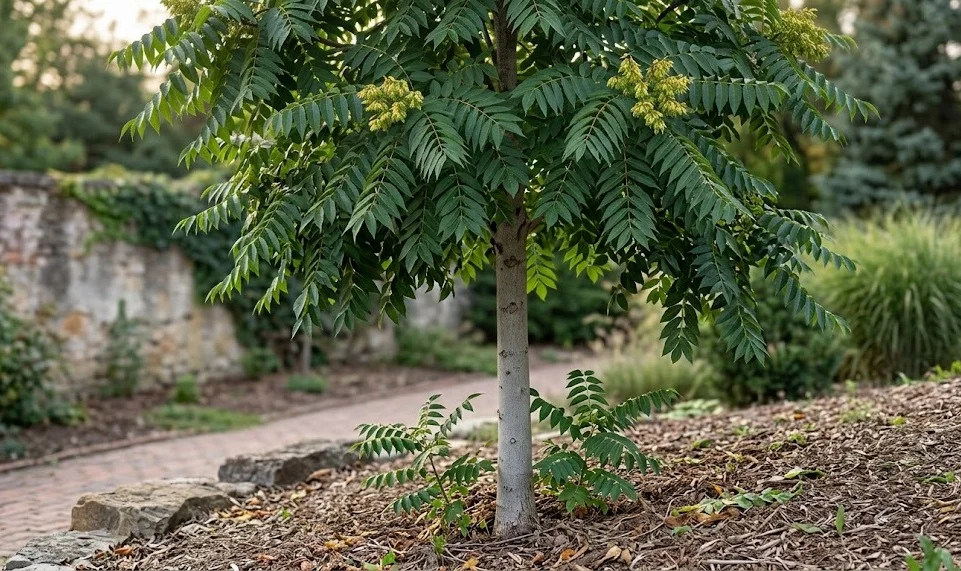

Preparing your tree for the challenges of the cold season is a vital part of ensuring its continued health and vigor year after year. You should recognize that while this species is exceptionally hardy, it can still benefit from certain protective measures during the harshest months. Experienced arborists suggest that the work you do in the late autumn sets the stage for a successful spring awakening. It is important to assess the tree’s condition before the first deep freeze arrives to identify any vulnerabilities.
Managing moisture levels during the transition into winter is one of the most critical aspects of professional dormant-season care. You should ensure that the tree goes into the winter with a well-hydrated root system, as dry roots are much more susceptible to frost damage. A final deep watering in late autumn, after the leaves have fallen but before the ground freezes, provides a vital reservoir for the tree. This hidden moisture helps the living tissues within the trunk and branches resist the drying effects of cold winter winds.
Protective mulching around the base of the tree serves as a natural insulator that stabilizes soil temperatures throughout the changing winter weather. You should apply a generous layer of organic material, such as wood chips or shredded leaves, to cover the entire root zone of younger specimens. This blanket prevents the “freeze-thaw” cycles that can sometimes heave young plants out of the ground or damage delicate surface roots. Maintaining a consistent temperature under the mulch allows the root system to remain active and healthy even in the middle of winter.
Monitoring the structural integrity of the tree is especially important during the winter when the weight of snow and ice can pose a serious risk. You should inspect the branch architecture once the leaves have fallen to look for any weak unions or damaged limbs that might break under pressure. Pruning out these problematic sections during the dormant season is a safe and effective way to prevent winter storm damage. A clean, well-structured tree is far more likely to emerge from the winter without any significant physical setbacks.
Winter hardiness and temperature tolerance
This species is well-known for its ability to withstand incredibly low temperatures, often surviving in regions where winter lows reach well below zero. You will find that mature trees are rarely bothered by even the most severe cold snaps once they have properly hardened off for the season. This natural resilience is one of the reasons the tree has been able to spread across so many different climatic zones around the world. Understanding the limits of your local climate will help you determine if any extra protection is truly necessary for your specific tree.
More articles on this topic
Young trees and saplings are significantly more vulnerable to extreme cold than their larger, more established counterparts. You should be prepared to provide a bit of extra help for any specimen that has been in the ground for less than three years. Wrapping the trunks of young trees with a specialized tree guard can protect the thin bark from “sunscald,” which occurs when the winter sun warms the tissue during the day and it freezes again at night. This simple precaution prevents unsightly and potentially dangerous cracks from forming in the protective outer layer.
The timing of the onset of winter can have a significant impact on how well the tree handles the subsequent months of freezing weather. You should watch for a gradual cooling of the temperatures in autumn, which signals the tree to move its energy into the roots and enter a dormant state. A sudden, early hard freeze before the tree has finished this process can lead to significant dieback of the unripened branch tips. Fortunately, the tree’s rapid growth rate usually allows it to quickly recover from such minor setbacks once spring arrives.
Microclimates within your garden can also play a role in the overwintering success of more sensitive or younger botanical specimens. You might notice that trees planted in sheltered locations, such as near a south-facing wall or behind a windbreak, fare better than those in open, exposed areas. Using the natural features of your landscape to provide a bit of winter protection is a smart and sustainable way to manage your garden. Observing these subtle environmental differences will make you a more effective and successful horticultural manager.
Juvenile protection and special care
When you are dealing with very young trees or newly propagated specimens, the first few winters are a true test of their long-term survival potential. You should consider using a burlap screen or a temporary windbreak to protect these small plants from the desiccating effects of cold winter gusts. These winds can strip moisture from the tender bark and buds much faster than the dormant roots can replace it, leading to “winter burn.” Providing this physical barrier for the first two seasons gives the young tree the time it needs to build up its natural defenses.
More articles on this topic
Protecting the root system from the destructive effects of “frost heaving” is a top priority for any gardener working with newly planted stock. You will see that as the ground freezes and thaws, it can actually push the root ball upward, exposing the sensitive roots to the freezing air. To prevent this, you should make sure the soil is well-firmed around the base and covered with a thick, heavy layer of mulch that won’t blow away. Checking the trees after a major thaw and gently tamping them back into place if necessary is a vital part of winter maintenance.
Animal damage is another winter threat that you must manage, as hungry rodents and deer often turn to the bark of young trees when other food is scarce. You should install a wire mesh guard around the base of the trunk, ensuring it is tall enough to reach above the expected snow line and buried slightly in the soil. This physical barrier prevents voles and rabbits from girdling the tree, a type of damage that can be fatal if the entire circumference of the bark is removed. Keeping a clear area around the base of the tree also discourages these small animals from nesting near the sensitive bark.
Dormant season inspections allow you to catch these minor issues before they turn into major disasters for your young botanical investments. You should take a walk through your garden once a month during the winter to check on the condition of your tree guards and mulch layers. Look for any signs of animal activity or mechanical damage that might have occurred during a recent storm. Being an active and observant manager during the “off-season” ensures that your trees are ready to burst into growth as soon as the weather warms.
Root zone insulation and soil health
The health of the underground parts of the tree is the most important factor in its ability to survive the winter and thrive in the spring. You should understand that the soil provides a natural buffer against the cold, but its effectiveness depends on its moisture content and structure. A well-mulched and hydrated soil will hold onto heat much longer than dry, compacted ground that is exposed to the elements. Maintaining a healthy “living” soil even during the winter months supports the long-term vitality of the entire specimen.
Using the right type of mulch can make a big difference in how well the root zone is insulated against the winter’s bite. You should choose organic materials that will eventually break down and improve the soil, such as coarse wood chips, shredded bark, or even evergreen boughs. Avoid using heavy plastic or other non-breathable materials, as these can trap too much moisture and encourage the development of root rots. A depth of five to ten centimeters is usually sufficient to provide the necessary insulation without smothering the roots.
Soil drainage remains a critical consideration even in the winter, as ice buildup in the root zone can cause physical damage to the delicate root tissues. You should ensure that your site doesn’t have any low spots where winter rains or melting snow can collect and then refreeze into a solid block. Properly graded soil allows excess water to move away from the tree, preventing the roots from becoming trapped in a frozen “bathtub.” This attention to the physical state of the ground is what characterizes professional-level garden management.
Preparing the soil in the late autumn with a light application of organic matter can help support the beneficial microbes that remain active deep underground. You might scratch a bit of compost into the surface before applying your winter mulch to provide a slow-release source of nutrients for the coming year. This proactive approach ensures that the tree has everything it needs to start growing as soon as the soil temperatures begin to rise in the spring. A healthy soil biome is a resilient one that can handle the stresses of any winter season.
Spring recovery and early season tasks
As the days get longer and the sun gains strength, your focus should shift from protection to supporting the tree’s transition back into active growth. You should begin by gradually removing any temporary winter wraps or screens once the threat of extreme, deep freezes has passed. Doing this in stages allows the bark and buds to slowly adjust to the increased light and fluctuating spring temperatures without being shocked. This transition period is a delicate time when the tree’s “biological clock” is resetting for the new year.
Inspecting the tree for any winter damage is the first task on your spring to-do list as the buds begin to swell. You should look for brittle, dead wood at the tips of the branches and any areas where the bark might have split or been chewed by animals. Pruning out these damaged sections early prevents them from becoming entry points for pests or diseases as the weather warms. Use sharp, clean tools to make smooth cuts that will heal quickly during the upcoming period of rapid growth.
Refreshing the mulch layer is a great way to start the new season and prepare the root zone for the heat of the coming summer. You should pull back the old, weathered mulch and check the soil moisture levels before adding a fresh layer of organic material. This is also an excellent time to apply a balanced, slow-release fertilizer if your soil tests indicate a need for supplemental nutrients. Getting these foundational tasks out of the way early allows you to focus on managing the tree’s rapid vegetative expansion in the months ahead.
Finally, you should monitor the timing of the “bud break” to ensure the tree is waking up at the appropriate time for your local climate. A healthy tree will show a consistent and vigorous emergence of new leaves across the entire canopy within a few weeks of the first warm spring rains. If you notice any significant delays or uneven growth, it might be a sign that the tree experienced more winter stress than you initially realized. Understanding these early season signals helps you provide the targeted care needed to get your tree back on track for a successful year.