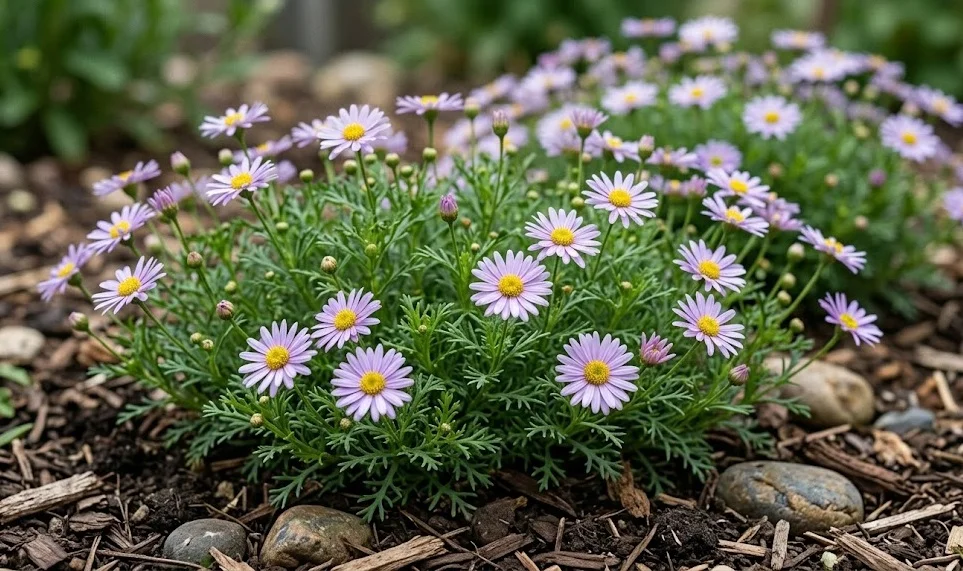

The Australian daisy is a remarkably resilient yet delicate-looking ornamental plant that brings a touch of wild elegance to any garden landscape. Successfully maintaining these vibrant blooms requires a deep understanding of their native habitat and specific environmental preferences. Professional gardeners often emphasize that consistent attention to detail is the secret to a lush and healthy plant. By following a structured care routine, one can ensure that these flowers remain productive throughout their entire growing season.
Providing the right foundation starts with selecting a location that mimics the temperate conditions of its origin. This plant thrives when it has enough space to spread its fine-textured foliage without being crowded by more aggressive species. Air circulation is a critical factor that many beginners overlook when designing their flower beds or container arrangements. Good ventilation prevents many common issues and allows the plant to dry properly after morning dew or rainfall.
Temperature management plays a vital role in the overall vitality of the foliage and the abundance of the flowers. While these daisies are quite hardy, they do best in areas where the heat is not excessively oppressive during the peak of summer. During periods of extreme weather, providing a bit of relief can prevent the plant from entering a dormant state prematurely. Monitoring the local microclimate will help in deciding if any temporary adjustments are necessary for optimal growth.
Soil quality should never be compromised if one expects a professional-grade display of color. The ideal medium is a well-draining mixture that provides enough structure for the roots while allowing excess moisture to escape easily. Organic matter can be incorporated to improve the nutrient profile without making the soil too heavy or waterlogged. Understanding the balance between moisture retention and drainage is the hallmark of an experienced and successful gardener.
Maintaining aesthetic appeal and growth
Regular maintenance is essential to keep the Australian daisy looking its best throughout the spring and summer months. One of the most effective ways to encourage continuous blooming is through the practice of deadheading spent flowers. This process prevents the plant from putting all its energy into seed production, redirecting it instead toward new buds. It also keeps the overall appearance of the mound neat and visually appealing for visitors and residents alike.
More articles on this topic
The growth habit of this species is naturally bushy, but it can sometimes become a bit leggy if left entirely to its own devices. Light trimming every few weeks helps to maintain a compact shape that is much more desirable in professional landscaping. This intervention stimulates lateral branching, which ultimately leads to a denser canopy of green leaves and colorful petals. It is a simple task that yields significant rewards in terms of visual impact and plant health.
Observation is a key skill that distinguishes a hobbyist from a true expert in the field of horticulture. Taking the time to inspect the underside of leaves and the joints of stems can reveal early signs of stress. Catching minor issues before they escalate into major problems saves time and resources in the long run. A healthy plant is much more capable of defending itself against environmental stressors than one that is neglected.
Mulching can be a beneficial practice to help regulate the conditions around the base of the plant. A thin layer of organic mulch helps to keep the roots cool and maintains a more consistent level of moisture in the soil. It also acts as a barrier against weeds that might compete for the same limited nutrients and water. Choosing a mulch that complements the aesthetic of the garden adds a finished look to the entire planting area.
Optimizing the flowering cycle
The peak blooming period is the most rewarding time for any gardener who has invested effort into these daisies. To maximize this phase, it is important to ensure that the plant has access to all the resources it needs. High-quality sunlight combined with a steady supply of nutrients creates the perfect recipe for a spectacular floral display. When these conditions are met, the sheer volume of flowers can almost completely hide the green foliage beneath.
More articles on this topic
During the height of the season, the plant may require more frequent checks to ensure it is not becoming exhausted. The energy demands of producing hundreds of tiny flowers are quite significant for such a compact organism. If the flowering seems to slow down, it might be a sign that the plant needs a short period of rest or a boost in care. Adjusting the routine slightly can often jumpstart another wave of blooms that lasts until the first frosts.
Weather events such as heavy storms or heatwaves can temporarily halt the flowering process as the plant focuses on survival. In such cases, the gardener should provide supportive care until the environmental stress has passed. Once conditions stabilize, the Australian daisy usually rebounds with remarkable speed and vigor. Resilience is one of the most appreciated characteristics of this species among professional landscape designers.
Understanding the specific variety being grown can also provide insights into the expected duration of the flowering cycle. Some cultivars have been bred specifically for longer seasons or more intense colors, while others are more traditional. Researching the specific needs of the chosen variety ensures that the care plan is tailored to its unique genetic potential. This level of detail is what separates a standard garden from an extraordinary one.
Seasonal transitions and adaptations
As the seasons change, the requirements of the Australian daisy shift to reflect the changing environment. In early spring, the focus is on establishing a strong root system and building up the green mass of the plant. This period sets the stage for everything that follows, so providing a stable environment is the top priority. Young plants are particularly sensitive to fluctuations, so extra protection may be warranted during this stage.
Mid-summer care revolves around sustaining the plant through the longest days and the highest temperatures. This is often the most challenging time for the gardener, as water needs can change rapidly depending on the daily forecast. Maintaining a consistent routine helps the plant to stay hydrated and productive even when the sun is at its strongest. Professional growers often use this time to assess which locations in the garden are performing the best.
When autumn approaches, the plant naturally begins to slow its metabolic processes in preparation for cooler weather. The frequency of interventions can be reduced as the growth rate declines and the flowering becomes less intense. This is an excellent time to evaluate the success of the season and plan for future improvements in the garden layout. Observing how the plant handles the transition provides valuable information for the next growing cycle.
Preparing for the end of the productive season involves cleaning up the planting area and removing any debris. This prevents pathogens from overwintering in the soil and ensures a fresh start for the following year. While the Australian daisy is often treated as an annual, some gardeners choose to attempt preservation in milder climates. Regardless of the chosen path, a clean finish is essential for the overall health of the garden ecosystem.
Soil management for long term success
The composition of the soil is the literal foundation upon which the health of the Australian daisy is built. A professional approach involves testing the soil pH to ensure it falls within the slightly acidic to neutral range. If the soil is too alkaline, certain nutrients may become locked away and unavailable to the plant’s root system. Amending the soil before planting is much easier than trying to fix deficiencies once the daisies are established.
Texture is another critical aspect that dictates how water and air move through the root zone. Sandy loams are often preferred because they provide the perfect balance of aeration and moisture retention. If the existing garden soil is heavy clay, incorporating coarse sand or perlite can drastically improve its performance. This structural improvement is a long-term investment that benefits not just the daisies but the entire garden bed.
Organic matter serves as a slow-release source of nutrients and helps to foster a healthy community of soil microbes. These microorganisms play a vital role in breaking down complex materials into forms that the roots can easily absorb. Composted leaves or well-rotted manure are excellent choices for enriching the soil without introducing harmful salts. A living, breathing soil environment is the best gift a gardener can give to their Australian daisies.
Consistency in soil moisture is easier to achieve when the soil has a good structure and a high organic content. This reduces the stress on the plant during dry spells and prevents the roots from suffocating during periods of heavy rain. Achieving this balance requires an ongoing commitment to soil health and regular replenishment of organic components. Expert gardeners know that great flowers are grown from the ground up, starting with the dirt itself.
Professional container gardening techniques
Growing Australian daisies in containers offers a unique set of opportunities and challenges for the modern gardener. Pots allow for greater control over the soil environment and can be moved to take advantage of the best light conditions. However, the limited volume of soil means that nutrients and water can be depleted much more quickly than in the ground. Using a high-quality potting mix specifically designed for flowering plants is a non-negotiable requirement for success.
The choice of container material also influences the care routine, as porous materials like terracotta dry out faster than plastic or glazed ceramic. Professionals often select pots that have ample drainage holes to prevent the common pitfall of root rot. Matching the size of the container to the expected mature size of the plant ensures that the roots have enough room to grow. A pot that is too small will restrict development and lead to a stunted, less impressive display.
Arranging multiple plants in a single large container can create a stunning focal point on a patio or balcony. When combining species, it is crucial to choose companions that share similar water and light requirements. The Australian daisy pairs beautifully with trailing plants that can spill over the edges of the pot, creating a multi-layered look. This vertical dimension adds a professional touch to any outdoor living space.
Regularly refreshing the top inch of soil in a container can provide a small boost of nutrients and improve the appearance of the pot. Over time, the soil in a container can settle or become compacted, which hinders the movement of air and water. Gently loosening the surface and adding a bit of fresh compost keeps the environment favorable for continued growth. This minor maintenance task can significantly extend the lifespan and beauty of a container arrangement.
Final thoughts on professional care
The art of caring for the Australian daisy lies in the balance between intervention and allowing nature to take its course. While the plant is inherently capable of surviving in various conditions, it only truly flourishes under the watchful eye of a dedicated gardener. The rewards of this effort are visible in every vibrant petal and healthy green leaf that the plant produces. It is a journey of continuous learning and observation that brings immense satisfaction to those who participate.
Each garden provides a unique set of circumstances that will influence how these flowers respond to the care they receive. What works perfectly in one location might need to be adjusted slightly in another, even within the same neighborhood. This variability is what makes horticulture such a fascinating and engaging pursuit for so many people. Sharing experiences and tips with other gardeners can help to refine techniques and discover new ways to succeed.
Sustainable practices should always be at the forefront of a professional care routine for any ornamental species. Reducing the reliance on harsh chemicals and focusing on soil health creates a more resilient and vibrant garden ecosystem. The Australian daisy is a perfect candidate for such an approach, as it responds so well to natural methods of care. A garden that works in harmony with nature is always more beautiful and easier to maintain in the long run.
Ultimately, the goal is to create a space that brings joy and beauty to the environment through the use of these charming flowers. Whether planted in a vast landscape or a small balcony pot, they have the power to transform a space with their simple elegance. By applying expert knowledge and consistent care, anyone can achieve a professional-level result that lasts all season long. The Australian daisy remains a timeless favorite for its versatility, charm, and rewarding nature.