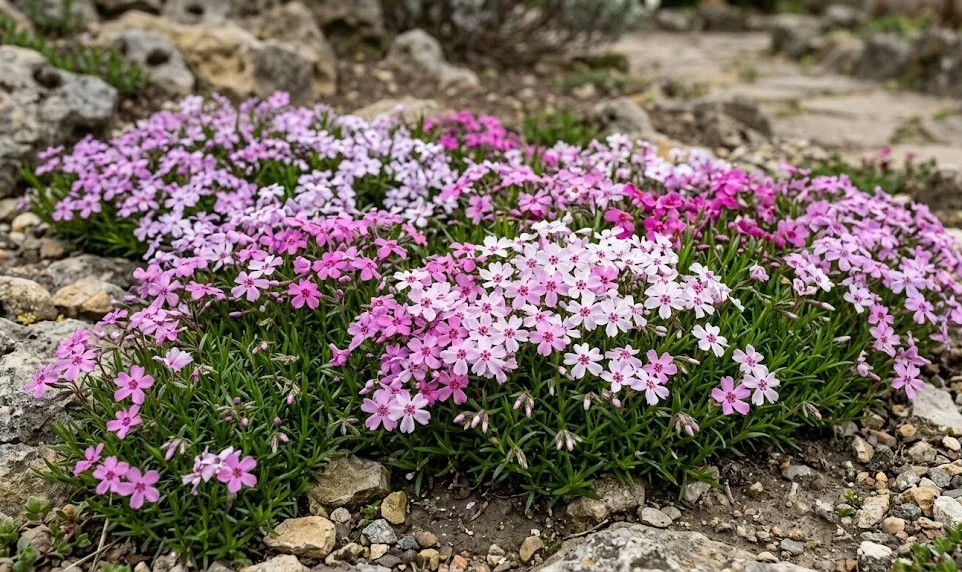

Overwintering moss phlox is a relatively simple process because this plant is naturally adapted to survive cold climates and freezing temperatures. As an evergreen groundcover, it maintains its foliage throughout the winter, providing a splash of green even when the rest of the garden is dormant. However, there are several steps you can take to ensure the plant emerges in the spring with maximum health and vigor. Understanding how the plant handles the winter months allows you to provide the right kind of protection against the elements.
Winter hardiness and the dormancy period
Moss phlox is renowned for its exceptional cold hardiness, often surviving in regions where temperatures drop significantly below freezing. During the winter, the plant enters a semi-dormant state where its metabolic processes slow down to conserve energy. The foliage remains on the stems, but it may take on a slightly darker or bronzed appearance as the cold sets in. This change in color is a natural protective response and does not mean the plant is dying or in distress.
The root system remains active even when the ground is cold, which is why the plant’s health depends on the conditions of the soil. You should ensure that the area around the roots does not become a block of ice for extended periods by maintaining good drainage. If the ground remains waterlogged during a freeze-thaw cycle, the roots can be damaged by the expanding ice crystals. A stable and well-prepared planting site is the best defense against the harshest winter weather.
Snow cover can actually be a benefit for moss phlox as it acts as a natural insulator against extreme temperature fluctuations. A thick layer of snow protects the evergreen leaves from the drying effects of cold winter winds and intense sun. If you live in an area with reliable snow, you usually don’t need to worry about additional protection for your plants. The snow creates a microclimate that keeps the temperature around the phlox much more consistent than the air above.
In regions without consistent snow, the plant is more exposed to the “freeze-thaw” cycle which can be challenging for some perennials. This cycle can cause the soil to heave, sometimes pushing the roots of the plant toward the surface. You should occasionally check your garden beds during the winter months to see if any plants have been displaced by the frost. Gently pressing the soil back down around the roots will help the plant stay anchored and protected until spring arrives.
More articles on this topic
Protective measures for harsh winter climates
If your garden is located in an area with particularly brutal winds or very low temperatures without snow, you might consider extra protection. A light covering of evergreen branches can provide an effective shield against the wind without completely cutting off the airflow. You should avoid using heavy materials like plastic sheets or thick piles of leaves which can trap moisture and cause rot. The goal is to provide a windbreak while still allowing the plant to breathe during the winter weeks.
Applying a layer of anti-desiccant spray is another professional technique used to protect evergreen foliage from drying out. These sprays create a thin, transparent film on the leaves that reduces the amount of moisture lost to the air. This can be especially helpful if your moss phlox is planted in a very exposed or sunny location during the winter. You should apply these products in late autumn when the temperatures are still above freezing for the best results.
Protecting the crown of the plant is more important than saving every single leaf on the outer edges of the carpet. As long as the central growing point remains healthy, the plant will be able to produce new growth once the spring arrives. You can add a very thin layer of fine mulch or compost around the base of the plant to provide a little bit of extra warmth. This organic material will also provide a gentle source of nutrients as it breaks down when the ground thaws.
Managing the weight of heavy ice or wet snow is also something to keep in mind if you have a very large patch of phlox. While the plant is flexible, a heavy crust of ice can sometimes crush the delicate stems and leave the mat looking flattened. If you notice a dangerous amount of ice building up, you can gently try to brush away any loose snow before it turns into a solid block. However, you must be careful not to break the frozen stems, as they become quite brittle in the cold.
More articles on this topic
Managing moisture and hydration during winter
It might seem counterintuitive to think about watering during the winter, but hydration is a key factor in successful overwintering. Evergreens like moss phlox continue to lose moisture through their leaves even when it is very cold outside. If the ground is frozen solid, the roots cannot take up water to replace what is lost to the wind and sun. This leads to the “winter burn” that many gardeners see as brown patches on their groundcover in the early spring.
To prevent this, you should ensure that your plants are well-hydrated going into the winter season. Providing several deep waterings during the autumn months will help the plant build up a reservoir of moisture in its tissues. You should continue to monitor the soil moisture levels until the ground actually freezes for the year. A plant that enters the winter in a hydrated state is much more likely to survive without any significant foliage damage.
During a mid-winter thaw, if the ground softens and there hasn’t been much precipitation, a light watering can be very beneficial. This is particularly true for plants growing in sandy soil or in raised beds that tend to dry out more quickly. You only need to provide enough water to dampen the soil around the roots without making it soggy. Taking advantage of these brief periods of warmth can make a huge difference in the plant’s overall winter survival rate.
Good drainage remains the most important factor in moisture management during the cold months of the year. While the plant needs hydration, sitting in a pool of icy water will quickly lead to the death of the root system. You should ensure that the area around your moss phlox is clear of any debris that could block the natural runoff of melting snow. Maintaining a clear path for water to leave the site will protect the health of your plants throughout the entire winter.
Transitioning back to the spring growth cycle
As the days begin to lengthen and the temperatures rise, your moss phlox will start to wake up from its winter slumber. This transition period is an exciting time for any gardener as the first signs of green begin to brighten up the carpet. You should resist the urge to do any heavy pruning or cleanup until you are sure the threat of hard frost has passed. The old foliage still provides some protection for the new buds that are forming at the base of the stems.
Once the weather has stabilized, you can start by gently removing any winter debris like fallen leaves or twigs from the mat. This allows the sunlight to reach the entire plant and stimulates the production of the vibrant spring flowers. If you notice any brown or dead sections, you can carefully trim them away to make room for new growth. Be careful not to cut too deep into the healthy green parts of the plant at this early stage.
A light application of a balanced fertilizer in early spring will give the plant the energy it needs to produce its famous floral display. You should also check the soil moisture levels and provide a good soaking if the spring rains have been sparse in your area. This initial care sets the stage for the rest of the growing season and ensures the plant is strong and healthy. Watching your moss phlox return to life is one of the most rewarding parts of the gardening year.
Finally, take a moment to evaluate how your overwintering strategy worked and make notes for the following year. If you noticed a lot of winter burn, you might decide to provide more wind protection or better autumn watering next time. Every winter is different, and being adaptable is part of being a successful and professional gardener. With the right care and a little bit of attention, your moss phlox will remain a beautiful feature of your landscape for many seasons to come.