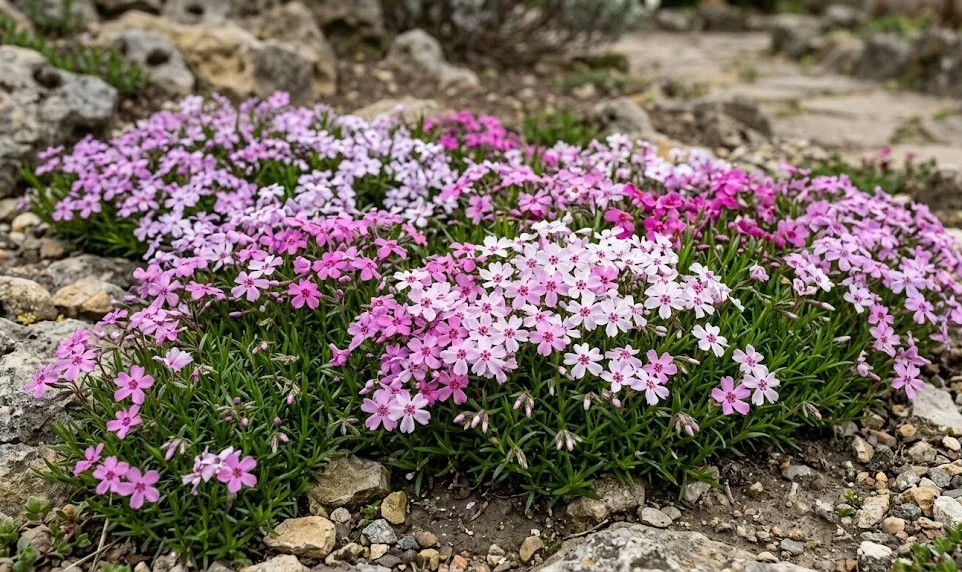

Maintaining the health of moss phlox involves being vigilant against the various diseases and pests that can occasionally affect this hardy groundcover. While the plant is generally robust, certain environmental conditions can make it susceptible to specific problems that need to be addressed. By identifying issues early and taking proactive steps, you can ensure that your floral carpet remains thick and vibrant. Understanding the biology of these threats is the first step toward effective management and prevention in your garden.
Identifying common fungal and bacterial infections
Fungal infections are among the most common issues that gardeners face when growing moss phlox in humid climates. These diseases often manifest as spots on the leaves or a general decline in the vigor of the plant’s growth. High moisture levels combined with poor air circulation create the perfect environment for fungal spores to thrive. You should regularly inspect the inner parts of the dense mat where moisture tends to linger the longest.
Leaf spot is a specific fungal issue that appears as small, dark lesions on the green foliage of the phlox. If left untreated, these spots can merge and cause the leaves to turn yellow and drop off prematurely. While it rarely kills the entire plant, it can significantly detract from the aesthetic value of your garden groundcover. Removing affected stems and improving the airflow around the plant can help slow the spread of the infection.
Root rot is a much more serious condition that is usually caused by excessively wet soil or poor drainage. The symptoms include a sudden wilting of the plant and a darkening of the stems near the soil line. Because the damage happens underground, it can be difficult to diagnose until the plant is already in significant distress. Prevention through proper site selection and soil preparation is always more effective than trying to cure a plant with rotted roots.
Bacterial wilt is another potential threat that can cause parts of the plant to die back seemingly overnight. This condition often travels through the plant’s vascular system, blocking the flow of water and essential nutrients. You might notice that certain sections of the carpet turn brown while the surrounding areas remain perfectly healthy. Pruning away the dead sections and disinfecting your tools afterward is necessary to prevent the bacteria from spreading further.
More articles on this topic
Managing powdery mildew outbreaks effectively
Powdery mildew is perhaps the most recognizable disease affecting moss phlox, appearing as a white, flour-like coating on the leaves. This fungus thrives in warm, dry days followed by cool, damp nights, which is common in many temperate gardens. While it is mostly a cosmetic issue, a severe outbreak can weaken the plant by interfering with its ability to photosynthesize. Keeping the foliage as dry as possible is one of the best ways to discourage the growth of this white film.
To manage an existing outbreak, you can use a variety of treatments ranging from homemade sprays to commercial fungicides. A simple mixture of water and baking soda can often be effective if the infection is caught in its earliest stages. For more persistent cases, you might need to use a sulfur-based product designed specifically for garden use. Always apply these treatments during the cooler parts of the day to avoid stressing the plant further.
Thinning out the dense mats of phlox can also help by increasing the amount of light and air that reaches the lower leaves. If the plant is too crowded, moisture stays trapped in the center, providing a nursery for the mildew to spread. You can gently prune back some of the overlapping stems to create a more open structure without ruining the carpet effect. This practice is especially beneficial in late summer when the humidity levels are often at their highest.
Long-term management of powdery mildew involves choosing resistant varieties and maintaining the overall health of the garden. Healthy plants that are not stressed by drought or poor nutrition are much better at resisting fungal attacks on their own. You should also avoid overhead watering which splashes spores from one part of the plant to another. A combination of good cultural practices and timely intervention will keep the white dust at bay.
More articles on this topic
Recognizing and treating spider mite infestations
Spider mites are the most common pest that can cause significant damage to the fine foliage of moss phlox. These tiny arachnids are often hard to see with the naked eye, but their damage is very distinctive once you know what to look for. You will notice a fine stippling or bronzing of the leaves as the mites suck the juices out of the plant cells. In severe cases, you might even see very delicate webbing stretched between the tiny needle-like leaves.
Hot and dry weather provides the ideal conditions for spider mite populations to explode in a very short amount of time. If you suspect an infestation, you can test for mites by shaking a branch over a piece of white paper. Small moving dots on the paper indicate that you have a problem that needs your immediate attention. Increasing the humidity around the plants or giving them a sharp blast of water can often knock the mites back.
For more serious mite problems, you can use insecticidal soaps or neem oil, which are safe for most garden environments. These products work by coating the mites and preventing them from breathing or feeding on the phlox stems. It is important to cover both the top and bottom of the foliage to ensure that you reach all the hidden pests. Multiple applications may be necessary to break the life cycle of the mites as new ones hatch from eggs.
Encouraging natural predators like ladybugs and predatory mites is a sustainable way to keep spider mite populations under control. Avoid using broad-spectrum pesticides that kill these beneficial insects along with the pests you are trying to target. A healthy garden ecosystem with a diverse range of insects will often manage minor pest issues without any intervention from the gardener. Monitoring your plants regularly allows you to spot changes before they become a full-blown infestation.
Environmental causes of poor plant health
Sometimes what looks like a disease or a pest problem is actually a reaction to unfavorable environmental conditions. For example, “winter burn” can cause the evergreen leaves of moss phlox to turn brown and dry during the cold months. This happens when the sun and wind dry out the leaves while the ground is still frozen, preventing the roots from replacing the lost moisture. This is a physical condition rather than a biological infection and usually resolves as new growth appears in spring.
Soil compaction can also lead to symptoms that mimic disease, such as slow growth and a general lack of vigor. When the soil becomes too hard, the roots struggle to expand and find the water and nutrients the plant needs. You might see the center of the plant dying out, which is often a sign that the root system is under significant stress. Gently loosening the soil around the edges of the planting can help alleviate this pressure over time.
Nutrient imbalances can cause strange discolorations that might be mistaken for viral or fungal infections. Yellowing between the veins of the leaves, for instance, can be a sign of iron or magnesium deficiency in the soil. Before you reach for a fungicide, it is often worth considering if the plant is simply lacking the basic building blocks it needs. A simple soil test can clarify whether the issue is biological or chemical in nature.
Chemical damage from lawn herbicides or salt runoff can also create brown patches in your moss phlox carpet. Groundcovers are often sensitive to the chemicals used to keep lawns green and weed-free, especially if there is any drift during application. You should always be careful when applying any products near your garden beds to prevent accidental injury to your decorative plants. Recognizing these environmental factors helps you provide more accurate care for your landscape.
Preventive measures and organic garden solutions
The best way to deal with pests and diseases is to prevent them from taking hold in your garden in the first place. Start by buying high-quality plants from reputable nurseries and inspecting them carefully before you bring them home. Avoid introducing any plants that show signs of spotting, wilting, or unusual insect activity on their stems. Starting with healthy stock gives you a massive advantage in maintaining a disease-free garden over the long term.
Maintaining a clean garden environment is another vital step in your prevention strategy for moss phlox. You should remove any fallen leaves or debris that might harbor overwintering pests or fungal spores during the winter. Keeping the area around your phlox beds clear of tall weeds also improves air circulation and reduces the hiding spots for unwanted insects. A little bit of regular tidying goes a long way in keeping your plants healthy and happy.
Using organic solutions like compost tea or seaweed extract can help boost the natural immunity of your plants. These natural products provide a wide range of beneficial microbes and minerals that strengthen the cell walls of the foliage. Stronger plants are less attractive to pests and are better able to wall off fungal infections before they spread. Embracing a more natural approach to gardening results in a more resilient and self-sustaining ecosystem.
Finally, remember that a few minor holes in the leaves or a bit of powdery mildew late in the season is not a disaster. Every garden has its share of challenges, and moss phlox is tough enough to handle most of them with grace. Your goal should be to maintain a healthy balance where the plants can thrive even in the presence of a few pests. By following these professional tips, you can enjoy a beautiful and enduring carpet of color every spring.