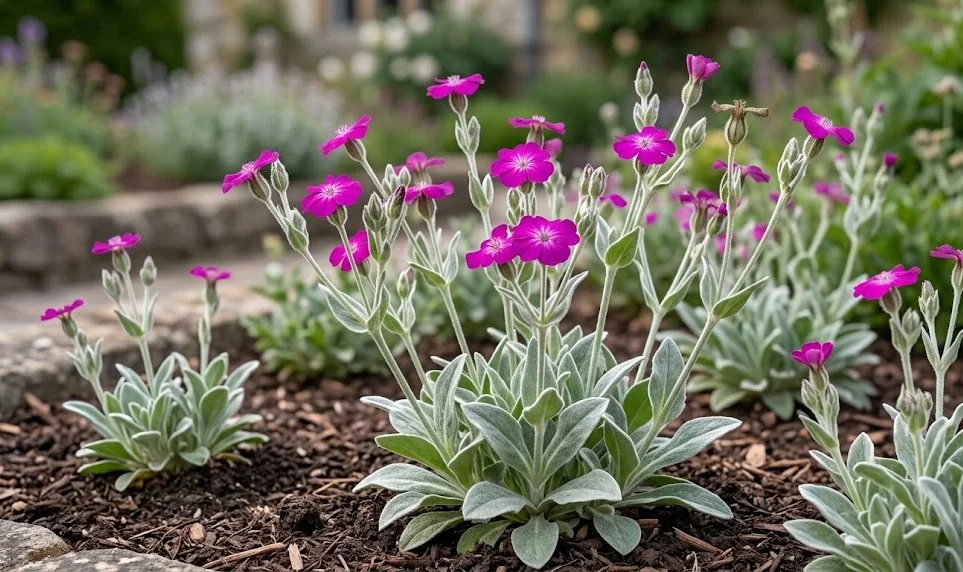

Rose campion is generally a very robust plant, but its unique silver foliage can sometimes be susceptible to certain fungal problems in damp or humid conditions. The most frequent issue you might encounter is powdery mildew, which appears as a white, dusty coating on the leaves and stems. This fungus thrives when there is poor air circulation or when the foliage stays wet for extended periods after watering. While it rarely kills the plant, it can significantly detract from its beautiful appearance and weaken its overall health over time.
To prevent powdery mildew, you should always water at the base of the plant and avoid getting the leaves wet, especially in the evening. Providing adequate spacing between your plants ensures that air can move freely, which helps moisture evaporate quickly from the leaf surfaces. If you notice the early signs of infection, you can remove the most affected leaves to slow the spread of the fungus. In severe cases, an organic fungicide or a simple mixture of baking soda and water can be applied to the foliage.
Leaf spot is another fungal condition that can occasionally affect this species, showing up as small brown or black dots on the silver leaves. This is often a sign that the plant is under stress or that the environment is too crowded and humid. You should clear away any fallen debris or dead leaves from around the base of the plant to reduce the number of fungal spores in the area. Keeping the garden tidy is one of the most effective ways to manage disease without resorting to harsh chemicals.
Crown rot is perhaps the most serious threat, usually occurring when the soil is too heavy or poorly drained during the winter months. You will notice the base of the plant turning soft and mushy, and the whole plant may eventually collapse and die. The best way to avoid this is to ensure your rose campion is planted in well-drained soil from the very beginning. If you have a plant that is already suffering from rot, it is usually best to remove it and improve the soil before planting anything else in that spot.
Managing common garden pests
Fortunately, rose campion is not particularly attractive to most major garden pests, but there are a few usual suspects to keep an eye on. Aphids can sometimes cluster on the tender new growth or the undersides of the leaves in the early spring. These tiny insects suck the sap from the plant, which can cause the leaves to curl or become distorted if the infestation is heavy. You can usually manage a small number of aphids by simply knocking them off with a strong stream of water from your garden hose.
More articles on this topic
Slugs and snails are another potential problem, especially for young seedlings or new transplants that haven’t yet developed their tough, woolly coating. They tend to come out at night or during rainy weather and can leave large holes in the foliage or even consume entire small plants. You can protect your young campion by using organic slug pellets or creating barriers like copper tape or crushed eggshells around the base. Once the plant matures and the leaves become more leathery, these pests are much less likely to cause significant damage.
Spider mites might occasionally become an issue during very hot, dry summers when the plant is already feeling a bit stressed. These tiny pests are hard to see with the naked eye, but you might notice fine webbing between the leaves or a mottled, yellowing appearance on the foliage. Increasing the humidity around the plant or giving it a thorough wash can help discourage mites from taking up residence. Keeping your plants well-hydrated and healthy is their best natural defense against all types of insect attacks.
Beneficial insects, like ladybugs and lacewings, are your best allies in the fight against pests in a professional garden setting. By avoiding broad-spectrum pesticides, you allow these natural predators to thrive and keep the pest populations in check for you. You can even plant other flowers nearby that attract these helpful bugs to create a balanced ecosystem in your yard. A healthy garden is one where nature does much of the work in maintaining the balance between plants and insects.
Environmental stressors and physiological disorders
Sometimes, what looks like a disease or a pest problem is actually the plant’s reaction to unfavorable environmental conditions. For example, yellowing leaves at the bottom of the plant can simply be a sign of natural aging or a lack of light in a crowded bed. You should observe whether the discoloration is spreading or if it is confined to the older parts of the plant before jumping to conclusions. Proper grooming and thinning can often solve these aesthetic issues without any need for treatments.
More articles on this topic
Sunscald can occur if a plant that has been growing in a shaded area is suddenly exposed to intense, direct sunlight without a period of adjustment. The silver hairs on the leaves usually protect them, but even rose campion has its limits during extreme heat waves. If you see bleached or papery patches on the leaves that face the sun, consider providing some temporary shade during the hottest part of the day. This is mostly a concern for newly moved plants or those in containers that can be easily shifted.
Nutrient deficiencies can also manifest as leaf discoloration or poor growth, even though this plant is quite hardy. If the new leaves are very pale or yellow while the veins stay green, the plant might be struggling to take up iron or other essential minerals. This is often a sign that the soil pH is not quite right, rather than a lack of nutrients in the ground itself. Testing your soil can provide valuable insights into why your plants might not be performing at their absolute best.
Wilting during the day is common in very hot weather, but the plant should recover once the sun goes down and the temperatures drop. If the plant remains wilted even after watering and in cooler temperatures, there may be an issue with the root system or a more serious vascular problem. You should always investigate the cause of persistent wilting to ensure there isn’t an underlying issue that needs immediate attention. Being a proactive observer is the hallmark of a truly expert gardener.
Prevention through proper garden hygiene
The most effective way to deal with diseases and pests is to prevent them from becoming a problem in the first place. This starts with buying healthy plants from a reputable nursery and inspecting them closely before you bring them home. Avoid any plants that show signs of spotting, wilting, or visible insects on the stems or leaves. Starting with clean, vigorous stock gives you a major advantage and protects the rest of your garden from unwanted introductions.
Regularly cleaning your garden tools with a mild disinfectant can prevent the spread of fungal spores and bacteria from one plant to another. This is especially important when you are pruning or dividing plants that might be carrying a hidden infection. You should also make a habit of removing any spent flowers and diseased foliage throughout the growing season to keep the area tidy. A clean environment is much less likely to host the conditions that allow pests and diseases to flourish.
Crop rotation is a concept usually associated with vegetables, but it can also be applied to perennials in a large flower border. If you have had a significant disease problem in one area, avoid planting the same or related species in that spot for a few years. This gives the soil time to recover and allows the natural levels of pathogens to decrease to a safer level. Planning your garden with diversity in mind also helps prevent a single problem from wiping out your entire display.
Finally, remember that a bit of damage is normal in any natural garden and doesn’t always require drastic action. You should aim for a balance where the plants are healthy and beautiful, even if they occasionally host a few aphids or have a spotted leaf. Learning to tolerate a small amount of “nature” will make your gardening experience much more enjoyable and less stressful. Focus on the big picture and the overall health of your landscape as you move through the seasons.
Using organic and sustainable solutions
When intervention is necessary, always opt for the least toxic and most sustainable solutions first to protect your garden’s health. Neem oil is a versatile organic treatment that can help manage both fungal issues and various small insect pests. You should apply it according to the package directions, usually in the evening to avoid harming beneficial pollinators like bees. This natural approach is much safer for you, your pets, and the environment than traditional chemical pesticides.
Soap-based sprays are another effective tool for dealing with soft-bodied insects like aphids and mites without leaving harmful residues. You can even make your own at home using a small amount of biodegradable dish soap mixed with water in a spray bottle. Be sure to test a small area of the foliage first to ensure the plant doesn’t have an adverse reaction to the soap. This simple method is often all you need to get a minor pest problem back under control.
Encouraging biodiversity in your garden is the ultimate sustainable strategy for managing pests and diseases over the long term. By providing a home for birds, toads, and beneficial insects, you are creating a natural defense system that works 24 hours a day. You can add a small water feature or leave some areas of the garden a bit “wild” to provide habitat for these helpful creatures. A thriving, diverse garden is naturally more resilient and requires much less intervention from you.
As you gain more experience, you will develop a sense of when a plant needs help and when it can handle a problem on its own. Trust your instincts and remember that gardening is a constant process of observation and adjustment. Your rose campion will reward your careful stewardship with years of vibrant color and beautiful silver foliage. Every challenge you face is an opportunity to learn more about the fascinating world of horticulture and the plants you love.