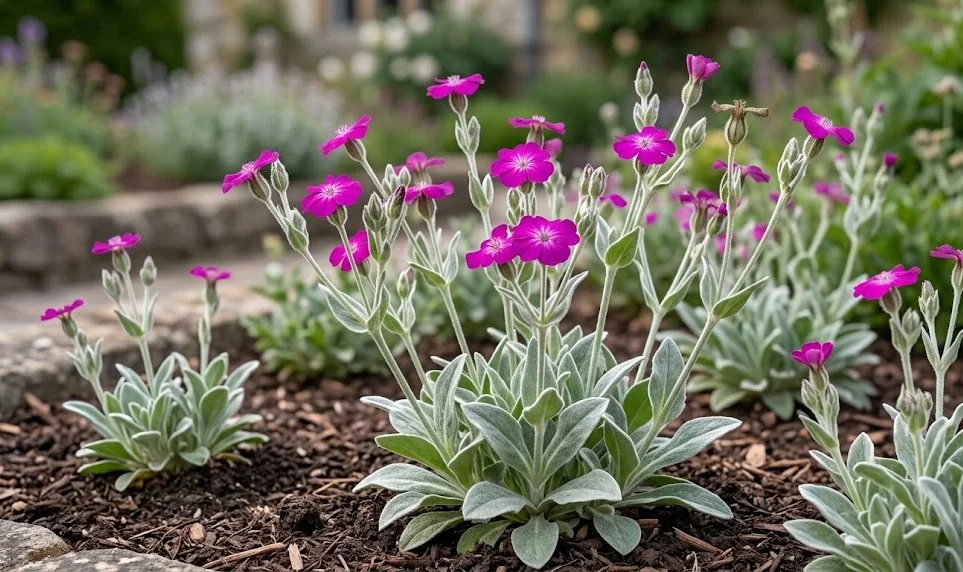

Correct watering is one of the most critical aspects of maintaining a healthy rose campion, especially during its first season in your garden. While these plants are remarkably drought-tolerant once they are established, they need consistent moisture to develop a deep and resilient root system. You should focus on deep watering rather than frequent, shallow sprinkles to encourage the roots to grow further into the soil. Understanding the specific needs of the silver foliage will help you avoid common mistakes that lead to rot or fungal issues.
The best time to water your plants is early in the morning before the sun becomes too intense and causes rapid evaporation. This allows the leaves to dry out quickly if they accidentally get wet, which is important for preventing powdery mildew on the velvet-like surface. You should direct the water at the base of the plant using a soaker hose or a watering can with a long spout. Avoiding overhead irrigation is a professional tip that keeps the foliage looking pristine and silvery throughout the entire summer.
During periods of extreme heat or prolonged drought, you may need to increase the frequency of your watering sessions slightly. You can check the soil moisture by sticking your finger an inch or two into the ground near the base of the plant. If the soil feels dry at that depth, it is time to provide a thorough soak to ensure the plant doesn’t become stressed. However, always remember that this species prefers being a bit too dry rather than being stuck in waterlogged or swampy soil.
In the autumn and winter, the water requirements of the plant drop significantly as it enters a period of dormancy or slower growth. You should only water during these months if the ground is exceptionally dry and there has been no natural rainfall or snow for several weeks. Overwatering during the cold season is a common cause of crown rot, which can kill the plant before spring arrives. By adjusting your routine to match the seasons, you provide the balanced environment that this hardy perennial needs to thrive.
Recognizing signs of water stress
Being able to read the visual cues of your rose campion will help you manage its water needs more effectively without a lot of guesswork. When the plant is thirsty, you might notice the flower stems starting to droop slightly or the vibrant color of the blooms fading prematurely. The leaves may also lose some of their turgidity and feel softer to the touch than they normally do. These are early warning signs that the plant is using up its internal water reserves and needs a drink.
More articles on this topic
On the other hand, overwatering presents its own set of symptoms that can be even more dangerous for the long-term health of the plant. If the leaves start to turn yellow or mushy at the base, it is often a sign that the roots are struggling in soil that is too wet. You might also see a darkening of the crown or a general decline in the plant’s vigor despite what seems like plenty of care. If you notice these signs, stop watering immediately and check the drainage of the surrounding soil.
In very humid climates, the silver hairs on the leaves can sometimes trap moisture from the air, leading to grey or white patches of mold. While this isn’t always related to how much you water the roots, it is a sign that the environment is too damp for the plant’s liking. Improving air circulation by thinning out nearby plants or moving the campion to a more open spot can help. Watching how the plant reacts to its environment is the best way to become a more intuitive and successful gardener.
If the plant is under severe stress from lack of water, it might prematurely go to seed or stop flowering altogether as a survival mechanism. While it is a tough plant, preventing this level of stress will ensure a much more beautiful and prolonged display in your garden. Consistency is key, so try to keep a regular schedule during the peak of summer to avoid these fluctuations in health. A well-watered plant is much better equipped to handle pests and diseases than one that is constantly struggling.
Nutrient requirements and soil fertility
Rose campion is not a heavy feeder and actually performs best in soil that is not overly enriched with high levels of nitrogen. You will find that in very rich soil, the plant often produces lush green leaves but very few of those iconic magenta flowers. For this reason, a minimalist approach to fertilization is usually the most successful strategy for professional results. If your garden soil is naturally reasonably fertile, you may not need to add any supplemental fertilizer at all.
More articles on this topic
Before the growing season begins in early spring, you can apply a thin layer of organic compost around the base of the plants. This provides a slow-release source of nutrients that will support the new growth as the weather warms up. Avoid letting the compost touch the stems directly, as this can hold moisture against the crown and lead to rot. This gentle boost is usually more than enough to keep the plant healthy and productive through the entire summer and into the fall.
If you feel that your plants are underperforming or the soil is particularly sandy and poor, a balanced, all-purpose liquid fertilizer can be used. You should apply this at half the recommended strength once in the late spring when the flower buds are first starting to form. This provides just enough extra energy for a spectacular bloom without causing the plant to become “leggy” or weak-stemmed. Always water the plant well before and after applying any liquid fertilizer to prevent root burn.
Monitoring the color and texture of the foliage is a good way to gauge whether your fertilization strategy is working as intended. The leaves should maintain a consistent silver-grey appearance and the stems should be strong enough to hold the flowers upright. If the plant looks pale or stunted, it might need a small dose of nutrients to get back on track. However, always err on the side of caution, as it is much easier to add more fertilizer later than to fix the problems caused by over-fertilization.
The role of mulch in moisture management
Using mulch is a great way to regulate soil temperature and keep the moisture levels consistent around your rose campion plants. A layer of organic mulch, such as shredded bark or leaf mold, can also help suppress weeds that would otherwise compete for water. You should apply a layer about two inches thick, making sure to leave a small gap around the crown of each plant. This gap is essential for preventing moisture buildup and maintaining good air circulation around the base of the silver rosettes.
In the heat of the summer, mulch acts as an insulating blanket that keeps the roots cool even when the sun is beating down. This reduces the amount of water lost through evaporation from the soil surface, meaning you won’t have to water as frequently. Many gardeners find that mulching also adds a finished, professional look to their garden beds while improving the soil structure over time. As the mulch breaks down, it slowly contributes organic matter back into the earth, benefiting all your garden residents.
For rose campion, choosing a mulch that drains well is just as important as the soil itself to prevent unwanted dampness. Some people prefer using pea gravel or small stones as a mulch for silver-leaved plants to better replicate their natural rocky habitats. This type of mulch doesn’t hold as much moisture against the plant and can help reflect light back up into the foliage. Experiment with different materials to see which one works best for your aesthetic preferences and local climate conditions.
During the rainy season, keep an eye on your mulch to ensure it isn’t becoming too compacted or preventing water from reaching the soil. You might need to fluff it up occasionally with a garden fork to maintain its effectiveness and appearance. If you notice any signs of fungal growth on the mulch itself, it might be a sign that the area is staying too wet for too long. A well-maintained mulch layer is a simple but powerful tool for any gardener looking to grow healthy and vibrant perennials.
Tailoring care to the plant’s lifecycle
Understanding that rose campion is often a short-lived perennial will help you adjust your watering and fertilizing throughout its life. Young seedlings and newly transplanted starts require more frequent attention to ensure they take hold in their new environment. You should check them daily during the first two weeks and provide small amounts of water as needed to keep the soil slightly moist. Once they show new leaf growth, you can begin to treat them like established plants with less frequent care.
In their second year, the plants are usually at their peak of vigor and will produce the most impressive floral display. This is the time when a light application of compost in the spring will have the most significant impact on the quality of the blooms. You should also be most diligent with your watering routine during this peak year to support the heavy flowering process. After the main bloom, the plant’s needs will naturally decrease as it begins to focus on seed production for the next generation.
If you are allowing the plants to self-seed, remember that the tiny new seedlings will have very shallow root systems at first. You might need to provide some gentle misting in areas where you want the new rosettes to establish themselves during dry spells. Once these new plants have developed a good base of silver leaves, they will become just as hardy as their parents. This cycle of renewal is one of the most rewarding aspects of growing this species in a permanent garden bed.
By paying attention to these different stages, you can provide the exact level of support the plant needs at any given time. This targeted approach is more efficient and leads to a healthier, more beautiful garden in the long run. Whether you are caring for a single plant or a large drift, the same principles of balanced moisture and minimal nutrients apply. Enjoy the process of learning how your specific garden environment influences the growth and beauty of your rose campion.