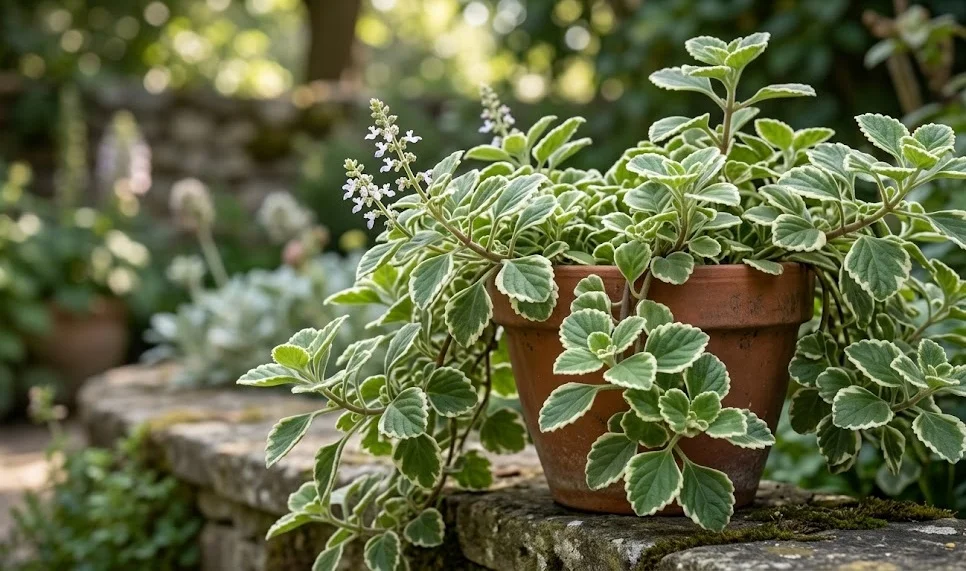

As the temperatures begin to drop and the days shorten, preparing your plants for the winter is essential. You should understand that this species is not frost-tolerant and requires protection from the harsh cold. The process of overwintering involves shifting the plant’s environment to ensure its survival during the dormant months. With the right preparation, your Swedish ivy will emerge healthy and ready for growth when spring returns.
The most important step in overwintering is knowing exactly when to bring your outdoor plants inside. You should monitor the nighttime temperatures closely and move the pots indoors before the first frost occurs. Even a single night of freezing temperatures can cause irreparable damage to the water-filled stems and leaves. Aim to make the transition when the outside temperatures match the indoor climate as closely as possible.
Before bringing the plants inside, you should give them a thorough inspection and a light cleaning. You should check for any pests that might be hitching a ride into your home on the foliage or in the soil. Wiping the leaves and spraying the plant with a gentle stream of water will remove dust and unwanted insects. This cleaning process ensures that you are not introducing garden problems into your indoor living spaces.
Selecting the best indoor location for the winter months requires balancing light and temperature needs. You should find a spot that is bright but away from direct heat sources like radiators or fireplaces. Sudden fluctuations in temperature can stress the plant and cause it to drop its leaves prematurely. A cool, bright room that stays consistently above fifty degrees Fahrenheit is usually an ideal winter home.
Indoor conditions and maintenance
Once the plant is indoors, its growth rate will slow down significantly due to the lower light levels. You should recognize that the plant’s needs for water and nutrients will decrease during this period of rest. It is common for the plant to look a bit less vibrant than it did during the height of summer. Avoid the temptation to over-care for the plant during this time, as it primarily needs peace and stability.
More articles on this topic
Humidity can become a major concern in heated homes where the air tends to get very dry during winter. You should consider placing the pot on a tray filled with pebbles and a small amount of water. As the water evaporates, it creates a more humid microclimate immediately around the foliage of the plant. Misting the leaves occasionally can also help, but a humidity tray provides a more consistent level of moisture.
Light is often the most limiting factor for indoor plants during the darkest months of the year. You should place your Swedish ivy near a south-facing window where it can receive the maximum amount of natural light. If your home is particularly dark, you might consider using a small grow light to supplement the daylight. Providing enough light prevents the stems from becoming excessively leggy and weak as they search for energy.
The air quality around the plant is just as important as the light and water it receives. You should avoid placing the plant in areas with cold drafts from doors or windows that are opened frequently. At the same time, ensure that there is at least some air movement to prevent the buildup of stagnant, humid air. Balancing protection from the cold with adequate ventilation will keep the plant healthy until the spring.
Managing the winter rest period
The goal of overwintering is to help the plant survive, not necessarily to encourage new growth. You should stop all fertilization during the winter months to allow the plant to follow its natural dormant cycle. Adding nutrients when the plant is not growing can lead to a buildup of salts and potential root damage. Wait until you see the first signs of active growth in the spring before you resume any feeding.
More articles on this topic
Watering should be reduced to the minimum amount necessary to keep the soil from becoming bone dry. You should check the moisture level once a week but only add water if the soil feels dry deep down. Overwatering in the winter is the leading cause of plant loss due to the high risk of root rot. The cool temperatures and low light mean that the plant uses water much more slowly than usual.
If you notice some leaf drop during the first few weeks indoors, do not panic immediately. You should understand that the plant is simply acclimating to the change in light and humidity levels. As long as the stems remain firm and there are still healthy leaves at the tips, the plant is likely fine. Keep a close eye on it and only make small adjustments to its care routine if the problem persists.
Pruning during the winter should be kept to a minimum and only used to remove dead or damaged tissue. You should save any major shaping or cutting back for the early spring when the plant has the energy to recover. Removing healthy growth in the winter can deprive the plant of the energy it has stored in its leaves. Focus on keeping the plant clean and tidy rather than trying to control its size or shape.
Returning to the outdoors in spring
As the weather begins to warm up, you must prepare the plant for its eventual return to the garden. You should not move the plant outside permanently until the nighttime temperatures stay consistently above fifty degrees. Sudden exposure to the outdoor elements after months inside can cause severe shock and damage the foliage. A gradual process of re-introduction is the safest way to move your plants back outside.
The process of hardening off involves moving the plant outside for a few hours each day in a shaded spot. You should slowly increase the amount of time the plant spends outdoors and the intensity of the light it receives. Start with just an hour or two in the late afternoon and gradually work your way up over a week. This allows the plant’s tissues to toughen up and adapt to the wind and brighter sun.
Spring is also the time to perform a thorough rejuvenation of the plant after its long winter rest. You should cut back any leggy or unattractive stems to encourage fresh, bushy growth from the base. This is the perfect opportunity to repot the plant if it has become root-bound or needs fresh soil. Adding a balanced fertilizer at this stage will give the plant the nutrients it needs for the new season.
Observing the rapid transformation of the plant once it is back in its preferred environment is very rewarding. You should see new, vibrant leaves appearing within just a few weeks of the move back outdoors. The energy stored during the winter dormancy will now be used to create a lush and beautiful specimen. Your successful overwintering efforts have preserved the plant for another year of enjoyment in your garden.