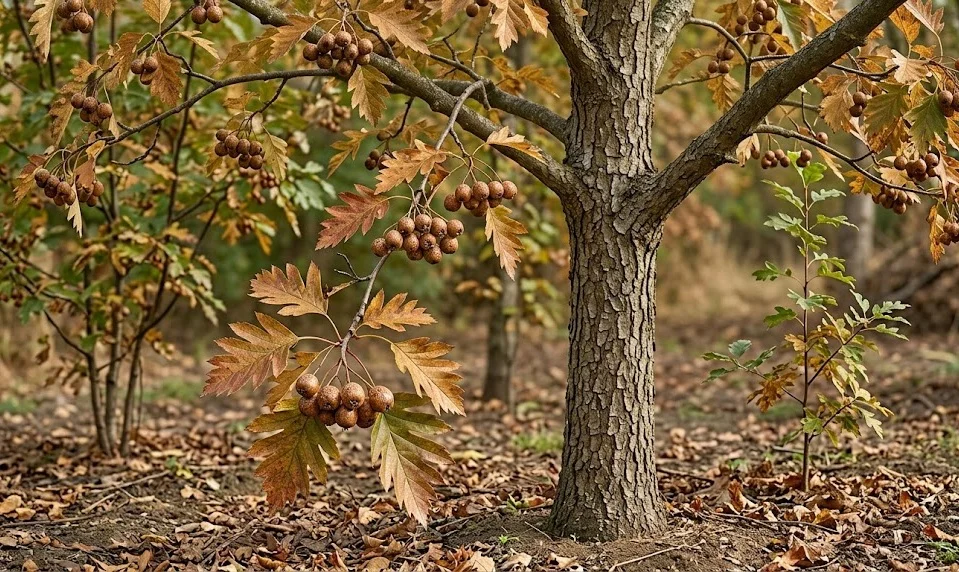

The physiological health of a wild service tree is intimately tied to the availability of water and the balance of essential nutrients in the soil. While this species is remarkably adaptable to various European climates, its growth rate and vitality can be greatly enhanced through professional management. Water is the primary vehicle for nutrient transport, making the relationship between irrigation and fertilization a central focus for any serious horticulturalist. A well-hydrated tree is also far more capable of resisting pests and environmental stressors that might otherwise cause decline.
Hydration dynamics and root system needs
Understanding the deep-rooting nature of the wild service tree is fundamental to developing an effective watering strategy. Unlike shallow-rooted species, this tree seeks moisture in the lower layers of the soil as it matures. During the establishment phase, however, the root system is confined to the upper layers and requires more frequent attention. The goal of irrigation should always be to encourage deep root penetration rather than encouraging a shallow, vulnerable network.
Soil type dictates how water moves through the ground and how much remains available to the tree. Heavy clay soils, which this species often prefers, hold water for long periods but can become anaerobic if over-saturated. In contrast, lighter soils drain quickly and may require more frequent but smaller applications of water to prevent drought stress. Professionals often use soil moisture probes to accurately determine when the tree actually needs supplemental hydration.
Watering should ideally take place in the early morning or late evening to minimize loss through evaporation. This timing also allows the foliage to dry before nightfall, which reduces the risk of fungal infections on the leaves. When applying water, it is better to provide a large volume less frequently than a small amount every day. This “soak and dry” cycle mimics natural rainfall patterns and forces the roots to seek moisture deeper in the earth.
Environmental factors like wind and temperature significantly increase the tree’s transpiration rate during the summer months. On exceptionally hot days, the leaves may lose water faster than the roots can replace it, leading to temporary wilting. This is a natural defense mechanism, but prolonged wilting can lead to permanent tissue damage and reduced growth. Providing a consistent moisture level during these peak stress periods ensures the tree can maintain its photosynthetic capacity.
More articles on this topic
Nutrient requirements and soil chemistry
The wild service tree has specific nutritional needs that must be met to achieve optimal growth and fruit production. It thrives in soils that have a high mineral content, particularly calcium and magnesium, which are common in limestone areas. Nitrogen is essential for leafy growth, but excessive amounts can lead to soft wood that is prone to breakage. A balanced approach ensures that the tree builds strong structural timber while maintaining a vibrant and healthy canopy.
Phosphorus and potassium play vital roles in root development and overall disease resistance within the plant’s tissues. Potassium, in particular, helps the tree regulate its water usage and improves its ability to withstand winter temperatures. These nutrients are often naturally present in many soils, but they may become locked or depleted in intensive gardening environments. Regular leaf analysis can reveal hidden deficiencies that might not be immediately obvious through visual inspection alone.
The pH of the soil acts as a gatekeeper for nutrient availability, affecting how easily roots can absorb minerals. If the soil is too acidic, important elements like phosphorus can become chemically bound and inaccessible to the tree. Applying garden lime can help raise the pH to the neutral or slightly alkaline range that the species prefers. Conversely, if the soil is too alkaline, certain micronutrients like iron may become scarce, leading to yellowing of the leaves.
Professional fertilization involves more than just dumping chemicals on the ground; it requires a strategic understanding of the tree’s life cycle. Young trees benefit from higher phosphorus levels to establish a robust root system before they focus on upward growth. Mature trees, on the other hand, require a steady supply of maintenance nutrients to support annual leaf production and fruiting. Monitoring the tree’s response to different treatments over several years allows for a highly customized care plan.
More articles on this topic
Organic amendments and long-term soil health
Incorporating organic matter is the most sustainable way to provide nutrients while improving the physical structure of the soil. Composted leaf mold, well-rotted manure, or garden compost all serve as excellent slow-release fertilizers for the wild service tree. These materials encourage a diverse community of soil organisms that break down complex molecules into forms the tree can use. This biological activity also helps to aerate the soil and prevent the compaction that can stifle root growth.
Mulching is a key practice that combines water conservation with gradual nutrient replenishment over several seasons. A layer of organic mulch reduces soil evaporation by up to seventy percent, significantly lowering the tree’s supplemental water needs. As the mulch breaks down, it releases humic acids that help dissolve minerals in the soil, making them more available to the roots. It also provides a protective buffer against extreme soil temperature fluctuations that can stress the delicate feeder roots.
Green manures and cover crops can be used in the area around the tree to naturally enhance soil fertility. Nitrogen-fixing plants like clover can draw nitrogen from the atmosphere and release it into the soil as they decompose. This method provides a steady, natural supply of nutrients without the risk of chemical runoff or soil salt buildup. It also creates a more diverse ecosystem that supports beneficial insects and improves the overall resilience of the planting site.
The use of mycorrhizal inoculants during planting or as a soil drench can significantly boost the tree’s nutrient uptake efficiency. These specialized fungi form a symbiotic relationship with the roots, effectively extending the root system’s reach in the search for water and minerals. In exchange for sugars from the tree, the fungi provide essential elements like phosphorus that are otherwise hard for the tree to access. This ancient partnership is a hallmark of professional horticultural practices aimed at long-term tree health.
Irrigation techniques and infrastructure
For large-scale plantings or high-value specimens, installing a dedicated irrigation system can save time and ensure consistency. Drip irrigation is particularly effective for the wild service tree as it delivers water directly to the root zone with minimal waste. This method prevents the foliage from getting wet, which is a major advantage in controlling leaf-borne diseases. Automated timers allow for precise control over the duration and frequency of watering sessions throughout the growing season.
Soaker hoses are a more cost-effective alternative for home gardeners or smaller professional landscapes. These porous hoses allow water to seep out slowly along their entire length, providing a deep and even soaking of the soil. Placing the hose in a spiral pattern around the tree’s drip line ensures that the most active part of the root system receives the water. Covering the hose with a layer of mulch protects it from UV damage and further increases its efficiency.
Monitoring the effectiveness of an irrigation system is just as important as the installation itself. Periodically checking the soil moisture at different depths ensures that the water is actually reaching the lower root zones. If the surface is wet but the soil five inches down is dry, the irrigation duration needs to be increased. Conversely, if the soil remains muddy for days after watering, the frequency should be reduced to prevent root rot.
During periods of extreme drought, even established trees may require temporary supplemental irrigation to prevent long-term decline. Mature wild service trees are tough, but several consecutive years of water stress can weaken their immune systems and make them targets for pests. Providing a deep watering once or twice a month during these periods can be the difference between a thriving tree and a dying one. A professional approach involves being proactive rather than waiting for signs of distress to appear.
Seasonal adjustments and fertilization timing
The timing of fertilizer application is critical to avoid wasting resources or causing unintended harm to the tree. The best time for most fertilization is in early spring, just as the buds begin to swell and growth is about to start. This ensures that the nutrients are available in the soil when the tree’s metabolic demand is at its peak. Avoid fertilizing in late summer, as this can stimulate new growth that won’t have time to harden off before the first frost.
During the dormant winter months, the tree’s nutrient uptake is almost non-existent, making fertilization during this time largely ineffective. However, this is an excellent time to apply slow-acting organic matter like compost or mulch that will break down by spring. This “pre-loading” of the soil ensures that the biological activity is ready to support the tree as soon as the ground warms up. Winter is also the best time for taking soil samples for lab analysis without disturbing the growing roots.
Watering needs also shift dramatically with the changing seasons and the tree’s own physiological state. In early spring, the soil is often naturally moist, but the emerging leaves are highly sensitive to any sudden dry spells. Summer requires the most intensive monitoring, especially for younger trees that have not yet developed deep root systems. Autumn watering should be gradually reduced to help the tree prepare for dormancy and prevent late-season growth spurts.
A professional gardener always watches the weather forecast and adjusts their care routine accordingly. A heavy rainstorm might mean that the scheduled fertilization needs to be postponed to prevent the nutrients from being washed away. Similarly, an unseasonably warm spring might require earlier irrigation than in previous years. Flexibility and observation are the most important tools in maintaining the perfect balance of water and food for the wild service tree.