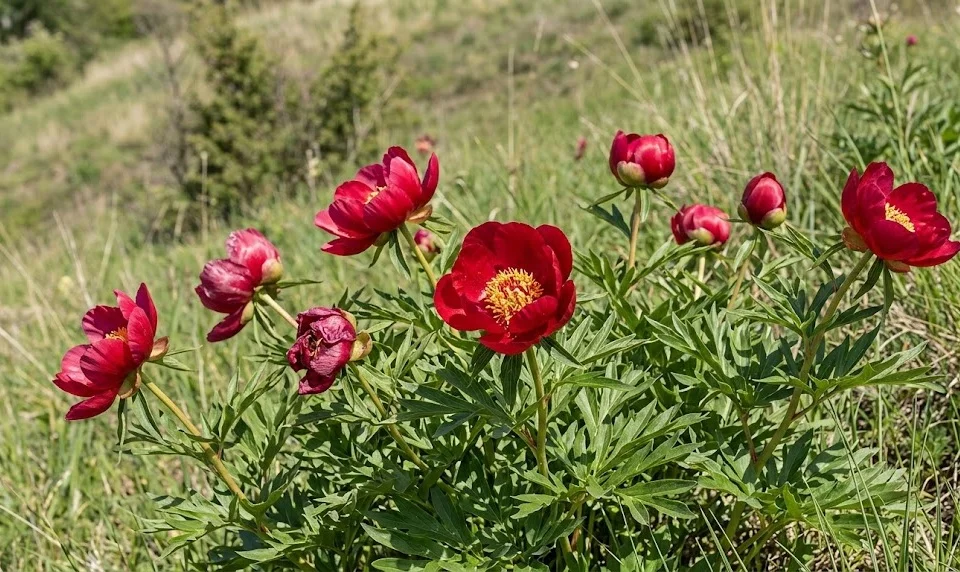

Protecting this rare botanical specimen from pathogens and herbivores is a primary responsibility for any professional gardener dedicated to its conservation. You must be able to identify the early symptoms of stress and infection to prevent small issues from becoming catastrophic failures. A proactive strategy involving sanitation and environmental management is always more effective than reactive chemical treatments. Maintaining the overall vigor of the plant is your best defense, as healthy individuals are naturally more resistant to most common threats.
Fungal diseases represent the most significant challenge for peonies, especially in regions with high humidity or frequent spring rainfall. You should be particularly vigilant for signs of grey mold, which can affect the stems, leaves, and developing flower buds. If left unchecked, these pathogens can cause the buds to turn brown and fail to open, a condition often referred to as bud blast. Professional care involves ensuring excellent air circulation around the plant to keep the foliage as dry as possible during the critical early months.
Insect pests can also cause aesthetic and physiological damage, although they are generally less of a threat than fungal infections. You might observe aphids clustering on the tender new growth or scale insects attached to the older, woodier parts of the stems. These sap-sucking insects can weaken the plant and sometimes act as vectors for viral diseases that are much harder to treat. Monitoring the plant regularly allows you to intervene early with mechanical removal or targeted biological controls before the population explodes.
Soil-borne pathogens are more difficult to detect but can be devastating because they attack the root system directly. You should watch for unexplained wilting or a general lack of vigor that does not respond to watering or fertilization. If the root crown becomes infected with rot, it can be very difficult to save the plant, making prevention through proper drainage and soil health essential. A professional understanding of the interaction between the plant and the soil microbiome is key to avoiding these subterranean threats.
Identifying fungal threats
The most common fungal pathogen encountered by peony growers is Botrytis, which thrives in cool, damp conditions during the spring. You will first notice small, water-soaked spots on the leaves or stems that quickly expand and turn into a characteristic fuzzy grey mold. This fungus can move rapidly through the tissues, causing the stems to collapse at the soil line if it infects the base of the plant. Professional management requires the immediate removal and destruction of any infected plant material to stop the spores from spreading to healthy tissues.
More articles on this topic
Leaf blotch is another fungal issue that typically appears later in the summer when temperatures are higher. You will see large, purple-brown spots developing on the upper surfaces of the leaves, which can eventually merge and cause the foliage to look unsightly. While this disease rarely kills the plant, it reduces the photosynthetic capacity of the leaves and can weaken the specimen over time. Maintaining a clean garden environment and avoiding overhead watering are effective ways to minimize the impact of this particular pathogen.
Powdery mildew can sometimes appear on the leaves during the late summer or early autumn, especially if the air is stagnant and humid. It looks like a fine white dust coating the foliage, which can interfere with the plant’s ability to prepare for its winter dormancy. While often considered a cosmetic issue, a severe infection can lead to premature leaf drop and a reduction in the energy stored in the root crown. Improving air movement through strategic pruning of neighboring plants is a professional solution to this common problem.
Preventing fungal infections starts with the selection of the planting site and the way you manage the surrounding area. You should ensure that the plant is not overcrowded and that the soil has excellent drainage to prevent excess moisture from accumulating around the roots. Removing all dead foliage at the end of the season is a critical professional practice that eliminates the overwintering sites for fungal spores. This systematic approach to hygiene is the most effective way to keep your collection healthy without resorting to heavy fungicide use.
Viral and bacterial threats
Viral infections are particularly concerning because there are no effective chemical treatments once the plant has been infected. You might see symptoms such as mottling, yellowing patterns on the leaves, or stunted and distorted growth that looks unnatural. These viruses are often spread by sap-sucking insects like aphids or by using unsterilized tools when pruning different plants in the garden. Professional protocol dictates that any plant confirmed to have a virus should be removed and destroyed to protect the rest of your collection.
More articles on this topic
Bacterial diseases, such as crown gall, can cause unusual swellings or growths at the base of the stems or on the roots. These galls interfere with the movement of water and nutrients, leading to a gradual decline in the health and productivity of the peony. You should inspect any new plants carefully before introducing them to your garden to ensure they are free from these bacterial symptoms. If you encounter crown gall, it is important to avoid planting another peony in that same spot for several years to allow the bacteria to die off.
Maintaining high standards of tool sanitation is one of the most important professional habits for preventing the spread of both viruses and bacteria. You should wipe your pruning shears with a solution of isopropyl alcohol or a mild bleach mixture between every plant you work on. This simple step prevents the accidental transfer of pathogens from an asymptomatic carrier to a healthy specimen. In a professional nursery or botanical garden, this level of care is mandatory and should be practiced by any serious enthusiast at home.
Environmental stress can often make a plant more susceptible to bacterial and viral infections that it might otherwise be able to resist. You should ensure that the peony is receiving optimal nutrition and moisture to keep its natural immune system functioning at its peak. Avoid making large, unnecessary wounds on the plant, as these provide entry points for pathogens that are present in the environment. A holistic approach to plant health is always the best defense against these difficult and often invisible biological threats.
Common insect pests
Aphids are frequently found on the succulent new growth in the spring, where they feed on the nutrient-rich sap of the plant. You will see them clustered around the flower buds and the tips of the stems, often accompanied by ants that are attracted to the honeydew they produce. While a small number of aphids will not do significant damage, a large infestation can cause the leaves to curl and the flowers to become distorted. You can usually manage them with a strong stream of water or by encouraging natural predators like ladybugs and lacewings in your garden.
Thrips are tiny, slender insects that feed inside the developing flower buds, often causing them to turn brown or open with damaged petals. Because they are so small and hide deep within the plant tissues, they can be difficult to detect until the damage is already visible. You might notice a silvery sheen on the leaves or small black specks of waste material as early indicators of their presence. Professional management involves monitoring with sticky traps and using targeted biological controls if the population reaches a level that threatens the bloom quality.
Root-knot nematodes are microscopic worms that live in the soil and feed on the roots, causing small galls or swellings to form. An infestation can lead to a general decline in the plant’s health, characterized by yellowing foliage and a lack of vigor even when other conditions are optimal. These pests are more common in sandy soils and can be introduced through contaminated plants or soil. If you suspect nematodes, a professional soil test is necessary to confirm their presence and determine the best course of action for your specific situation.
Scale insects can occasionally be found on the stems of older peonies, where they appear as small, immobile bumps that are often mistaken for part of the bark. They feed on the plant’s sap and can cause individual stems to weaken or die back if the infestation is severe. You can often remove them manually with a soft brush or by applying horticultural oil during the plant’s dormant period. A professional gardener checks the stems during the autumn cleanup to ensure that no scale insects are overwintering on the plant.
Integrated pest management strategies
Adopting an integrated pest management (IPM) approach means using a combination of biological, cultural, and mechanical methods to keep pest populations under control. You should prioritize natural solutions that do not harm the beneficial insects and microorganisms that contribute to the overall health of the garden. This might include planting companion species that attract predatory insects or using physical barriers to protect the plants during vulnerable stages. Professional IPM is about balance and sustainability rather than the total eradication of every insect in the environment.
Regular monitoring is the foundation of any successful IPM program, as it allows you to catch problems before they require drastic intervention. You should walk through your garden frequently, looking closely at the undersides of the leaves and the junctions of the stems where pests often hide. Keeping a garden journal can help you track when certain pests appear each year, allowing you to be proactive in your management efforts. This level of professional observation ensures that you stay one step ahead of the natural cycles of your local ecosystem.
Encouraging biodiversity in your garden is one of the most effective long-term strategies for pest control. By providing a habitat for birds, spiders, and beneficial insects, you create a self-regulating system where pest populations are kept in check by their natural enemies. You should avoid using broad-spectrum insecticides that kill these helpful residents along with the pests you are trying to target. A professional garden is a complex web of life where the peony is just one part of a much larger and more resilient whole.
When chemical intervention does become necessary as a last resort, you should choose the least toxic option that is effective for the specific problem. Applying treatments in a targeted manner and at the correct time of day minimizes the impact on non-target species like bees and butterflies. You should always read the label carefully and follow the professional guidelines for application to ensure safety and effectiveness. This responsible approach to plant protection preserves the health of your garden and the wider environment for the future.