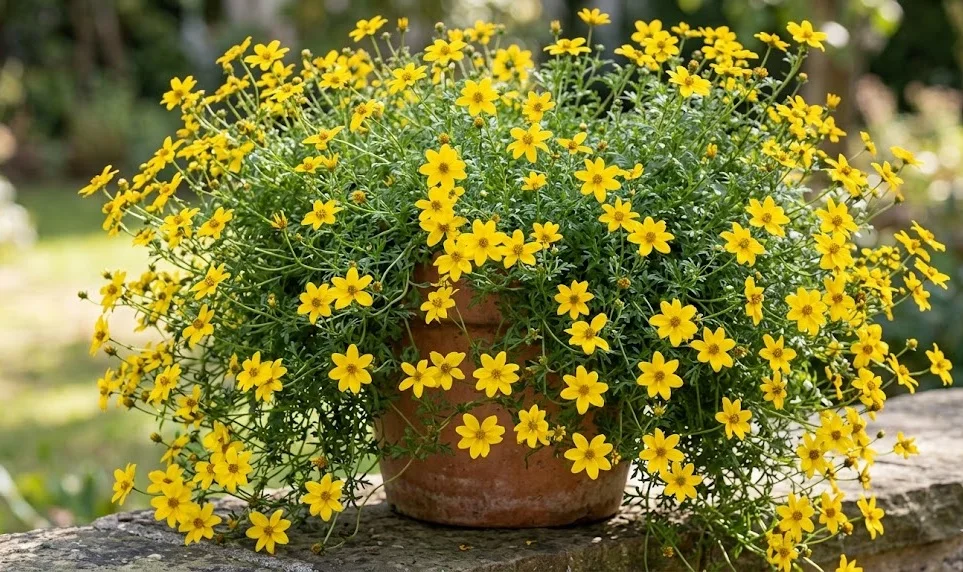

Protecting your golden blooms from the various threats found in the natural world is a vital part of professional garden maintenance. While these plants are generally robust and less prone to issues than many other ornamentals, they are not entirely immune to occasional problems. You will find that early detection is the most effective way to manage both insect invasions and fungal outbreaks before they can cause significant damage. This guide provides the expert knowledge you need to identify, prevent, and treat the most common health issues affecting your balcony display.
Identifying common insect pests
Aphids are perhaps the most frequent visitors you will encounter, often appearing as tiny green or black specks on the tender new growth. These small insects suck the sap from the stems and leaves, which can cause the foliage to become distorted or sticky with a substance called honeydew. If left unchecked, a large colony of aphids can sap the energy from the plant and significantly reduce its ability to produce new flowers. You should check the undersides of the leaves and the tips of the stems regularly for any early signs of their presence.
Spider mites can also become a problem during hot, dry periods when the air is still and the humidity is low. You might notice fine, silken webbing between the leaves or a characteristic stippling and yellowing of the foliage as they feed on the plant’s cells. Because they are so small, you might need a magnifying glass to see the actual mites moving around on the underside of the leaves. Increasing the humidity around your plants and providing adequate water can often help discourage these pests from establishing a foothold.
Whiteflies are another common issue, especially in sheltered balconies or greenhouses where there is less natural wind to disperse them. These tiny, moth-like insects will fly up in a white cloud if you disturb the plant, and they feed on the sap much like aphids do. Their presence can lead to a general decline in the plant’s vigor and may also contribute to the development of sooty mold on the honeydew they leave behind. Keeping your garden clean and free of weeds can help reduce the hiding places for these persistent pests throughout the season.
Occasional visits from caterpillars or leaf-eating beetles might result in small holes in the foliage or chewed edges on the petals of the flowers. While a small amount of damage is usually just a cosmetic issue, a large population of hungry larvae can quickly defoliate a young plant. You can often simply remove these larger pests by hand if you catch them early enough in the day. Encouraging natural predators like ladybugs or birds into your garden can also provide a biological defense against many of these common insect threats.
More articles on this topic
Fungal and bacterial challenges
Powdery mildew is one of the most recognizable fungal issues, appearing as a white, flour-like dusting on the surface of the leaves and stems. This problem often occurs when the days are warm and the nights are cool and damp, creating the perfect conditions for fungal spores to germinate. While it rarely kills the plant, it can significantly detract from its beauty and interfere with the process of photosynthesis. Improving air circulation and avoiding overhead watering are the most effective ways to prevent this unsightly white coating from spreading.
Root rot is a much more serious condition that is almost always caused by overwatering or poorly draining soil in the container. The first sign is often a sudden wilting of the plant even when the soil is wet, as the damaged roots can no longer transport water upward. If you inspect the roots, they will appear brown and mushy rather than firm and white, and there may be a noticeable unpleasant odor. Unfortunately, once root rot has reached an advanced stage, it is very difficult to save the plant, so prevention through proper watering is essential.
Botrytis, also known as gray mold, can sometimes affect the spent flowers or damaged tissues of the plant during periods of high humidity. It appears as a fuzzy gray growth that can quickly rot the surrounding healthy parts of the plant if not addressed immediately. Deadheading your plants regularly and removing any fallen debris from the surface of the soil will help minimize the risk of this fungus taking hold. Keeping the center of the plant open and well-ventilated is another professional technique for discouraging many types of mold and rot.
Bacterial leaf spot can occasionally manifest as small, water-soaked dark spots on the foliage that may eventually develop yellow halos. This issue is often spread by splashing water or by using contaminated tools when pruning your garden display. If you notice these spots, you should remove the affected leaves immediately and dispose of them in the trash rather than the compost pile. Keeping the foliage dry and practicing good garden hygiene are the best defenses against most bacterial infections that might threaten your plants.
More articles on this topic
Integrated pest management strategies
Adopting an integrated approach to pest management means using a variety of different techniques to keep your plants healthy without relying solely on chemicals. The first line of defense is always maintaining a strong and vigorous plant through proper watering, feeding, and light exposure. A healthy plant is much better equipped to naturally resist attacks and recover quickly from minor damage than one that is already stressed. Being a proactive gardener involves creating an environment where pests are less likely to thrive in the first place.
Physical removal of pests is often the simplest and most effective solution for small-scale balcony gardens or individual containers. A strong stream of water from a garden hose can often knock off aphids or spider mites and disrupt their life cycles without any harmful residues. You can also use sticky traps to monitor the population levels of flying insects like whiteflies or fungus gnats. These simple tools provide valuable information about what is happening in your garden and help you decide when more intensive action is needed.
Encouraging beneficial insects into your outdoor space is a professional way to create a self-balancing ecosystem that works for you. Predators like ladybugs, hoverflies, and lacewings feed on aphids and other soft-bodied pests, providing a natural form of control. You can attract these “garden heroes” by planting a variety of flowers and avoiding the use of broad-spectrum pesticides that might harm them. Having a diverse and lively garden is not only beautiful but also much easier to manage over the long term.
If you must use a treatment, start with the least toxic options like insecticidal soaps or horticultural oils that target specific pests. These products work by physical contact and leave no lasting harmful residues in the environment when used according to the label. Always test any new product on a small part of the plant first to ensure it doesn’t cause any adverse reactions to the delicate foliage. By choosing your interventions carefully, you can protect your golden blooms while also being a responsible steward of the natural world.
Prevention through observation and care
Daily observation is the most important habit you can develop to ensure the long-term health and beauty of your floral display. Taking just a few minutes each morning to look closely at your plants allows you to spot problems while they are still small and manageable. You should get into the habit of looking under the leaves and checking the junctions of the stems where pests often like to hide. This mindful connection with your garden makes you a much more effective and knowledgeable grower over time.
Proper sanitation is another critical aspect of disease prevention that is often overlooked by casual gardeners. You should always clean and sterilize your pruning shears or scissors between uses to avoid transferring pathogens from one plant to another. Removing spent flowers and yellowing leaves not only keeps the plant looking its best but also removes potential breeding grounds for fungi and bacteria. A tidy garden is a healthy garden, and this simple maintenance task pays off in a much more resilient display.
Correct spacing and placement are essential for maintaining the high levels of air circulation that these trailing plants need to stay healthy. Avoid crowding too many plants into a single container or placing pots too close together on a shelf where the air becomes stagnant. If you live in a particularly humid climate, you might need to be even more diligent about providing enough space for the foliage to dry quickly after rain. Professional growers know that “room to breathe” is just as important as water and sunlight for preventing disease.
Watering practices also play a huge role in the prevention of many common fungal and bacterial issues on the balcony. You should always aim the water at the base of the plant rather than spraying it over the top of the leaves and flowers. Using a long-necked watering can or a drip irrigation system helps keep the foliage dry while ensuring the roots get the hydration they need. Watering early in the day allows any accidental moisture on the leaves to evaporate quickly under the morning sun.
Recovery and long-term resilience
If your plant does suffer from a significant pest or disease issue, don’t be discouraged; most problems can be overcome with the right care. Once you have addressed the primary cause, focus on providing the plant with the optimal conditions it needs to regrow its lost foliage. A light application of a balanced fertilizer can help give the plant the energy boost it needs to recover its strength and beauty. Pruning away the most damaged parts of the plant can also stimulate new, healthy growth from the base.
Sometimes, the best course of action for a severely diseased plant is to remove it entirely to protect the rest of your collection. If a plant has a systemic bacterial infection or advanced root rot, it may never fully recover its former glory and could serve as a source of infection for others. While it is always sad to lose a plant, starting fresh with a healthy specimen and clean soil is often the most professional and practical choice. Learning from these experiences will make you a much better gardener in the following seasons.
Building long-term resilience involves choosing the right varieties that are known for their health and vigor in your specific climate. Some modern hybrids have been specifically bred for increased resistance to common issues like powdery mildew or heat stress. Keeping records of which plants performed best in your garden will help you make better decisions when purchasing new specimens next spring. Every year is a new opportunity to refine your skills and create an even more beautiful and healthy outdoor sanctuary.
Ultimately, managing pests and diseases is just one part of the fascinating journey of gardening and horticulture. Dealing with these challenges helps you develop a deeper understanding of the complex interactions between plants, insects, and the environment. There is a great sense of accomplishment in successfully nursing a plant back to health or preventing a major outbreak through careful observation. Enjoy the beauty of your golden blooms, knowing that they are flourishing under your expert and dedicated protection.