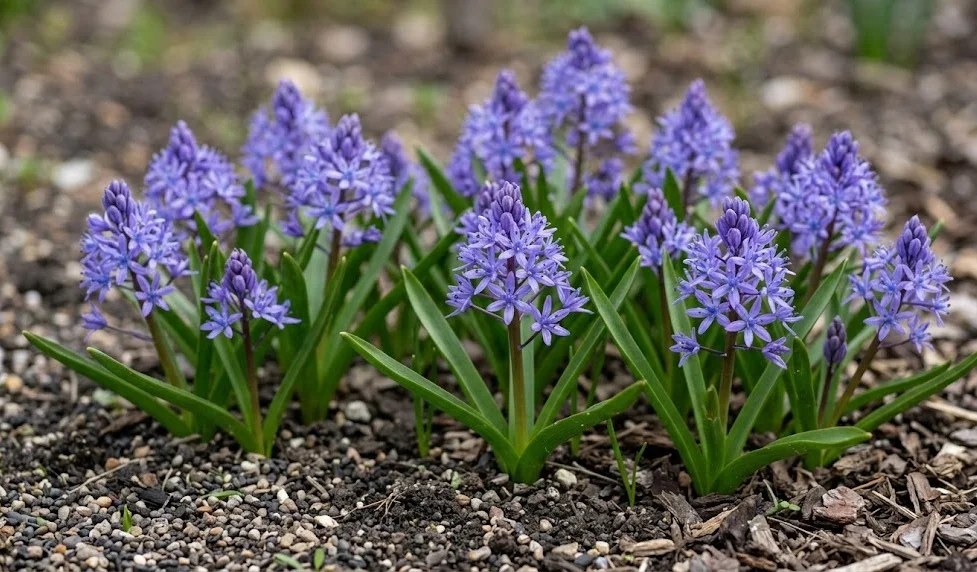

Protecting your plants from unwanted visitors is a continuous task for any professional gardener who wants to maintain a pristine spring display. While the Balkan squill is generally robust, it can occasionally attract pests that feed on its succulent foliage or delicate bulbs. You should spend time observing your plants closely during the early spring to catch any signs of infestation before they become a major problem. Early identification is the most effective way to manage pest populations without resorting to harsh measures.
Slugs and snails are perhaps the most common nuisance for low-growing perennials that thrive in the damp conditions of spring. They are attracted to the tender new leaves and can cause significant cosmetic damage in a very short amount of time. You will often see irregular holes in the foliage or the tell-tale silver trails they leave behind as they move across the soil. Professional pest management often involves using physical barriers or organic baits to keep these mollusks away from your prized bulbs.
Aphids can also occasionally target the flower spikes of the squill, especially if the plants are growing in a very sheltered or poorly ventilated area. These tiny insects suck the sap from the plant, which can lead to distorted growth or a general decline in the plant’s vigor. You can often manage a small population by simply knocking them off with a strong stream of water from your garden hose. Professional growers always look for the simplest and least disruptive solution first when dealing with common garden insects.
In some regions, small rodents like voles or mice can be a threat to the bulbs themselves during the dormant winter months. These animals may tunnel through the soil and feed on the nutrient-rich bulbs, leading to gaps in your spring floral carpet. You can protect your plantings by using hardware cloth or fine mesh around the planting area to prevent these burrowing pests from reaching their target. Strategic protection of the underground parts of the plant is a professional priority for bulb enthusiasts.
Fungal issues and bulb rot
Fungal diseases are often the result of environmental stress, particularly excessive moisture combined with poor air circulation around the plants. The most serious threat to the Balkan squill is bulb rot, which can cause the entire plant to collapse and the bulb to turn into a soft, foul-smelling mass. This usually happens in heavy soils that do not drain properly or during exceptionally wet summers when the bulbs should be dry. A professional gardener prioritizes drainage as the primary defense against these devastating fungal pathogens.
More articles on this topic
Leaf spot is another fungal condition that can affect the appearance of the foliage, manifesting as small brown or black spots on the leaves. While it rarely kills the plant, it can reduce the plant’s ability to photosynthesize and store energy for the following year. If you notice these symptoms, you should remove the affected leaves and ensure that the plants are not being overcrowded by nearby vegetation. Improving the airflow around the colony is a professional and effective way to reduce the spread of fungal spores.
Botrytis, also known as gray mold, can sometimes appear on the flowers or leaves during particularly cool and damp spring weather. It presents as a fuzzy gray coating that quickly spreads and causes the delicate tissues to rot and turn brown. To prevent this, you should avoid overhead watering and try to keep the garden beds free from decaying plant debris where the fungus can overwinter. Professional hygiene in the garden is essential for keeping these opportunistic diseases under control.
If you discover a bulb that is clearly diseased, the best professional advice is to remove it and the surrounding soil immediately to prevent the spread to healthy neighbors. Do not put diseased plant material into your compost pile, as the heat may not be sufficient to kill the fungal spores. Instead, dispose of it in your household waste or through a dedicated green waste system that handles high-temperature composting. Being decisive and proactive is the only way to manage serious disease outbreaks in a professional landscape.
Preventative measures for long term health
The best way to deal with pests and diseases is to prevent them from occurring in the first place through good horticultural practices. A healthy, vigorous plant is much less likely to be targeted by insects or overcome by fungal infections than one that is struggling. You should focus on providing the ideal light, soil, and moisture conditions to build the natural resilience of your Balkan squill population. Professional gardening is largely about creating an environment where plants can thrive on their own.
More articles on this topic
Rotating your plantings and avoiding placing the same types of bulbs in the same spot for decades can help break the lifecycle of soil-borne pathogens. If you have had a major disease issue in one area, it is wise to wait several years before replanting that specific species there again. This allows the natural biological balance of the soil to reset and reduces the concentration of harmful organisms. Thinking about the long-term history of your garden beds is a professional approach to land management.
Using high-quality, disease-free planting stock is another essential step for anyone starting a new colony of bulbs. You should always buy from reputable nurseries that have rigorous quality control measures in place to ensure their bulbs are healthy. When you receive your bulbs, inspect them carefully for any signs of mold, softness, or physical damage before putting them in the ground. Professionalism starts with the quality of the materials you bring into your garden ecosystem.
Maintaining a clean garden environment by removing dead leaves and spent flowers is a simple but highly effective preventative measure. Decaying organic matter can provide a hiding place for pests and a breeding ground for various types of fungi. By keeping the area around your squills tidy, you eliminate many of the factors that lead to disease outbreaks later in the season. A professional gardener understands that a clean workspace is a healthy workspace, even outdoors.
Organic and integrated pest management
Integrated Pest Management (IPM) is a professional strategy that combines multiple techniques to manage pests in an environmentally responsible way. This approach prioritizes mechanical and biological controls over the use of synthetic chemicals, which can harm beneficial insects and the wider ecosystem. For example, encouraging natural predators like ladybugs, hoverflies, and birds can help keep aphid and slug populations in check. A balanced garden with high biodiversity is often much more stable and easier to manage in the long run.
If you must use a treatment, there are many effective organic options available that have a lower impact on the environment. Neem oil is a popular choice for managing various sucking insects and some fungal issues, as it is derived from a natural source. Insecticidal soaps can also be used to target specific pests without leaving long-lasting residues in the soil or on the plants. Professional application of these products involves following the instructions precisely to ensure both safety and effectiveness.
Beer traps or copper tape are traditional and professional methods for managing slug populations without using toxic pellets. These physical interventions are safe for pets and wildlife and can be very effective if used consistently throughout the damp spring weeks. You might also consider hand-picking pests during the evening when they are most active, which is a direct and highly effective way to protect small patches of plants. Persistence is key when using these targeted, low-impact management strategies.
Understanding the lifecycle of your local pests can help you time your interventions for maximum impact. For example, treating for slugs early in the season before they have a chance to lay their eggs can significantly reduce the population for the rest of the year. Professional knowledge of the local fauna allows you to be more precise and effective in your pest management efforts. Being an informed observer of your garden’s ecology is a vital part of professional horticulture.
Recovery and future planning
If your plants have suffered from a pest or disease attack, it is important to support their recovery with extra care during the following months. Ensure they have adequate moisture and a light boost of nutrients to help them rebuild their energy reserves after the stress. You should also monitor them even more closely for any signs of a recurring problem as the season progresses. A professional gardener doesn’t just treat the symptoms; they support the long-term healing of the entire plant.
Take note of which areas of your garden were most affected and try to identify any underlying environmental factors that might have contributed to the problem. Perhaps a certain corner is too shady and damp, or the soil in another spot has become too compacted. Using this information to make adjustments for next year is how you turn a setback into a professional learning experience. Continuous improvement is the hallmark of any successful agricultural or gardening project.
Sharing your experiences with local experts or gardening groups can also provide new ideas for managing specific regional pests or diseases. Sometimes a new variety or a different planting technique can make all the difference in a challenging environment. Professional growth involves staying curious and open to new information from the wider horticultural community. Your garden is an evolving system, and your management strategies should evolve along with it.
Ultimately, the goal is to enjoy the beauty of the Balkan squill with the peace of mind that you can handle any challenges that arise. With professional knowledge and a proactive attitude, you can keep your garden healthy and vibrant for many years to come. The effort you put into understanding and managing diseases and pests will be reflected in the strength and beauty of your floral display every spring. Your dedication to professional standards of care is the best guarantee of a successful garden.