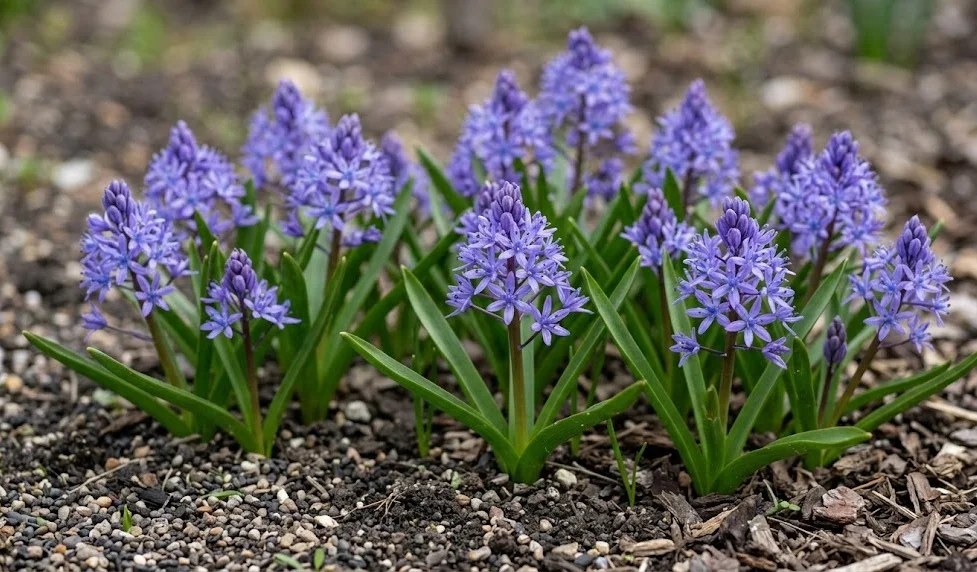

Choosing the right location is the most critical decision you will make when adding these beautiful spring bulbs to your garden. The Balkan squill thrives in areas that receive ample sunlight in the spring but are protected from the intense heat of the summer. You should look for spots under deciduous trees where the bulbs can soak up the sun before the leaves emerge on the branches above. Proper site selection ensures that your plants will have the energy they need to return year after year.
The soil should be prepared well in advance of planting to ensure that it is friable and nutrient-rich for the new bulbs. You can achieve this by digging in a generous amount of organic matter, such as leaf mold or well-aged garden compost. This not only improves the nutritional profile of the earth but also significantly enhances the drainage capabilities of the site. A professional gardener knows that a little extra work during the preparation phase pays off with much healthier plants later.
Drainage is a non-negotiable factor because these bulbs are highly susceptible to rotting in heavy, waterlogged clay soils. If your garden has poor drainage, you might consider creating a raised bed or adding grit to the planting holes to facilitate water movement. You want the soil to remain moist but never soggy, especially during the autumn when the roots are just beginning to grow. Testing the drainage of your chosen site by digging a small hole and filling it with water is a wise precaution.
Consider the long-term design of your landscape when deciding where to place your first colony of bulbs. Since these plants naturalize over time, you should choose a spot where they can expand without being disturbed by other garden activities. They work beautifully in borders, rock gardens, or even tucked into the edges of a woodland path. Thinking about the future growth of the colony is a hallmark of a professional and forward-thinking garden designer.
Planting techniques for success
The best time to plant these bulbs is in the early to mid-autumn when the soil is still warm but the air is beginning to cool. This timing allows the bulbs to establish a strong root system before the ground freezes solid in the winter. You should aim to get them in the ground at least six weeks before the first hard frost is expected in your region. Proper timing is essential for ensuring that the bulbs have the resilience to survive the coming cold.
More articles on this topic
When it is time to plant, you should place the bulbs at a depth of approximately three to four inches from the base of the bulb to the soil surface. Spacing is also important, and a distance of about three inches between each bulb will allow them room to grow without immediate overcrowding. Place the bulbs with the pointed end facing upward, as this is where the foliage and flowers will emerge. Consistency in planting depth leads to a more uniform and professional-looking display in the spring.
After placing the bulbs in the holes, gently backfill with the prepared soil and firm it down lightly with your hands to remove any large air pockets. You should avoid tamping the soil down too hard with your feet, as this can damage the bulbs or compact the earth too much. Once the area is filled, give the site a thorough watering to help settle the soil around the bulbs and initiate the rooting process. A good initial soak is the final step in a successful planting operation.
Labeling the area immediately after planting is a professional habit that prevents you from accidentally digging them up later in the season. You can use small wooden stakes or even a simple map of your garden to keep track of where each variety has been placed. This is especially helpful if you plan to add more bulbs or perennials to the same bed in the future. Keeping accurate records of your planting activities is a key part of professional garden management.
Propagation through bulb division
Over time, a healthy colony of Balkan squills will become dense as the original bulbs produce smaller offsets around their base. Propagation by division is a simple and effective way to expand your collection or share plants with fellow gardening enthusiasts. You will know it is time to divide the bulbs when you notice a decrease in flower production or if the plants look overly crowded. This usually happens every three to four years in a well-maintained garden environment.
More articles on this topic
The best time to lift and divide the bulbs is just as the foliage begins to turn yellow and die back in the late spring. Digging them up while the leaves are still visible makes it much easier to locate the bulbs without damaging them with your spade. Use a garden fork to gently lift the entire clump from the earth, being careful to stay well away from the center of the mass. Gentle handling is necessary to keep the delicate bulbs intact during the relocation process.
Once the clump is out of the ground, you can easily pull the individual bulbs apart with your fingers. You will see the larger parent bulbs and several smaller offsets that are attached to the sides or base. Each of these small bulbs has the potential to become a full-sized flowering plant within a couple of seasons. Professional propagators often sort the bulbs by size to ensure that they are replanted with appropriate spacing.
Replant the divided bulbs immediately into freshly prepared soil at the same depth they were growing previously. If you cannot replant them right away, keep them in a cool, shaded place in a tray of dry sand to prevent them from drying out too much. Water the newly moved bulbs thoroughly to encourage them to settle into their new homes before they go fully dormant for the summer. Division is a rewarding way to multiply your garden’s beauty through professional horticultural techniques.
Growing from seed for the patient gardener
While propagation by division is faster, growing the Balkan squill from seed is a fascinating way to produce a large number of plants. You can collect the seeds from the mature pods once they have turned brown and are just beginning to split open in early summer. The seeds are small and dark, and they should be sown as soon as possible after collection for the highest germination rates. This method requires more time and patience, but the results can be incredibly satisfying for a professional grower.
Prepare a seed tray with a mixture of fine compost and sharp sand to create a well-draining medium for the young seedlings. Sow the seeds thinly on the surface and cover them with a very light layer of fine grit or vermiculite. Place the tray in a cold frame or a sheltered spot outdoors where it can experience the natural temperature fluctuations of the seasons. Many species of squill require a period of cold stratification before they will germinate successfully in the spring.
During the first year, the seedlings will produce a single thin leaf and focus most of their energy on developing a tiny underground bulb. You should keep the soil consistently moist but never waterlogged to support this delicate early growth phase. It is often best to leave the seedlings in their original tray for the first two years before attempting to move them. Professional care during these early stages is vital for the long-term survival of the young plants.
It can take three to five years for a plant grown from seed to reach flowering size, so this is definitely a long-term project. However, the plants produced this way are often very robust and perfectly adapted to your local garden conditions. Once they have reached a manageable size, you can transplant them into their permanent positions in the garden. Growing from seed is a mark of a truly dedicated and professional gardener who appreciates the entire lifecycle of their plants.