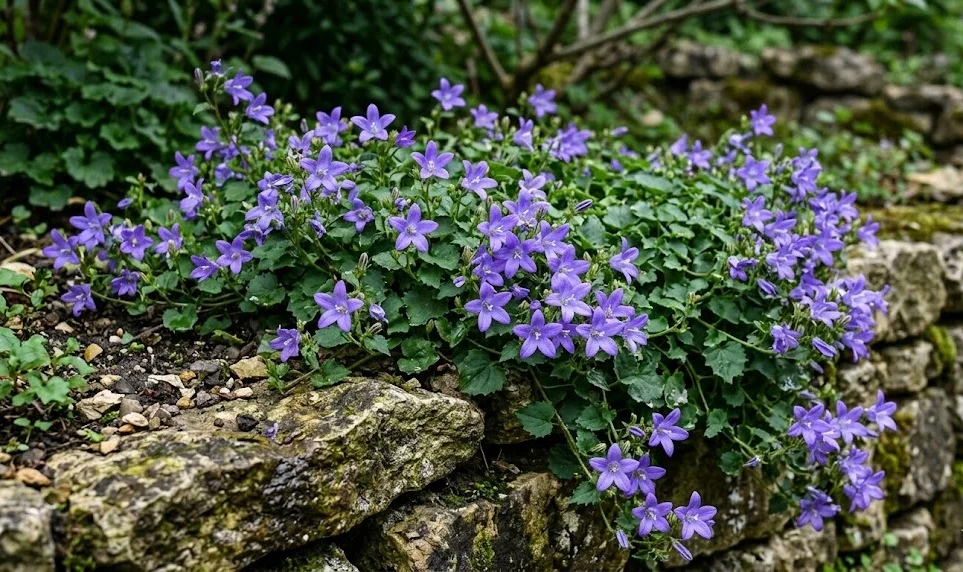

Caring for this vigorous perennial requires a balance between providing enough space for its trailing habit and ensuring the soil conditions remain optimal throughout the growing season. This plant is celebrated for its ability to soften stone walls and create a lush carpet of star-shaped flowers in rock gardens. While it is generally considered a low-maintenance species, achieving the best floral display involves understanding its specific physiological needs. Professional gardeners often prioritize this species for its resilience and the vibrant purple hue it brings to the landscape from late spring into summer.
Foundations of consistent maintenance
Maintaining a healthy specimen starts with regular observation of the foliage and stems to ensure they are free from stress. You should check the center of the plant periodically to make sure it is not becoming too woody or thin over time. If the plant begins to look sparse, it may be an indication that the environmental conditions are shifting or the soil is depleted. Consistent attention to these details ensures that the plant remains a focal point in the garden rather than an overgrown mess.
The surrounding environment plays a massive role in how much effort you will need to put into daily or weekly care. If the plant is situated in a high-traffic area, you may need to check for physical damage to the delicate stems more frequently. Wind protection is also a factor to consider, as strong gusts can dry out the trailing stems faster than the roots can provide moisture. Developing a routine check-up schedule will help you catch any minor issues before they escalate into significant health problems.
Cleanliness in the garden beds is a professional standard that directly affects the health of this particular bellflower. Removing fallen leaves from other trees or debris that might settle on top of the low-growing foliage is essential for preventing rot. Air circulation is vital for the dense mats of leaves, so keeping the area tidy allows the plant to breathe and dry out after rain. A clean site also makes it much easier to spot the emergence of new growth or the first signs of potential pests.
Tools used for maintenance should always be kept sharp and sanitized to prevent the spread of pathogens between different parts of the garden. When you are tidying up the edges of the plant, clean cuts will heal much faster than ragged tears. This practice is especially important during the peak growing season when the plant is putting a lot of energy into flower production. Keeping your equipment in top shape reflects a professional approach to horticulture and protects your investment in the landscape.
More articles on this topic
Managing the growth habit
The spreading nature of this plant is one of its greatest assets, but it requires careful management to prevent it from encroaching on less vigorous neighbors. You can easily direct the growth by gently moving the trailing stems toward open areas where you want more coverage. If the plant begins to climb into other perennials, it is best to tuck the stems back or prune them to maintain boundaries. Establishing these boundaries early in the season saves a significant amount of work later in the year.
The density of the foliage can sometimes lead to a lack of light reaching the inner parts of the crown. To combat this, you can occasionally thin out some of the older stems to allow better penetration of sunlight and air. This practice encourages the plant to produce fresh, green growth from the center rather than just at the tips. A well-thinned plant is generally more resilient to environmental fluctuations and looks more aesthetically pleasing in a professional garden setting.
In rock gardens or along walls, the plant will naturally follow the contours of the stones and fill in any available crevices. You should monitor these areas to ensure the roots are still finding enough soil and moisture within the gaps. If the plant appears to be struggling in a particular spot, it might be necessary to pack a little extra compost into the crevice. Observing how the plant interacts with hardscaping elements provides valuable insights into its overall vigor and health.
Ground cover applications require a slightly different approach to ensure a uniform appearance across the entire designated area. You should aim for a consistent height by occasionally trimming back any particularly unruly stems that stick up above the rest. This creates a neat, professional carpet effect that is highly valued in formal landscape designs. Regular monitoring of the spread allows you to maintain the perfect balance between a natural look and a controlled garden environment.
More articles on this topic
Adapting to seasonal changes
As spring arrives, the care routine shifts toward encouraging new growth and preparing the plant for its spectacular blooming phase. You should clear away any mulch that might be sitting too heavily on the crown to allow the sun to warm the soil. This is also the ideal time to check the structural integrity of the plant after the long winter months. Providing a gentle boost of nutrients at this stage will set the foundation for a successful and vibrant flowering period.
During the heat of summer, the primary focus of care transitions to moisture management and protecting the plant from extreme heat. You may find that the plant benefits from a bit of temporary shade during the hottest part of the afternoon if temperatures are exceptionally high. Monitoring the soil moisture levels becomes a daily task during these months to ensure the roots do not dry out completely. Consistent care during the peak of summer ensures that the flowers last as long as possible and the foliage stays green.
When autumn approaches, the plant will naturally begin to slow down its metabolic processes and prepare for a period of rest. You should reduce the frequency of any supplemental feeding to allow the tissues to harden off before the first frost. This is also a good time to perform a final tidy-up of the garden bed to remove any spent flower stalks. Transitioning the care routine with the seasons mimics the plant’s natural lifecycle and promotes long-term survival in the landscape.
Winter care is mostly about protection and ensuring the plant is not sitting in waterlogged soil during the cold months. While the plant is dormant, there is very little active work to be done, but keeping an eye on drainage is still important. If you experience heavy snowfall, it is generally best to leave it as a natural insulator for the roots and foliage. Understanding these seasonal shifts allows a professional gardener to provide the right support at the right time without over-working the plant.
Soil health and root development
The quality of the soil is the silent engine that drives the health of the foliage and the abundance of the flowers. You should aim for a well-draining medium that is rich in organic matter but not overly saturated with heavy clays. If your garden has heavy soil, incorporating grit or organic compost can significantly improve the internal drainage. Healthy roots require a balance of moisture and oxygen, which is only possible in a well-structured soil environment.
Periodic testing of the soil pH can help you understand if the nutrients are actually available to the plant’s root system. This bellflower generally prefers a neutral to slightly alkaline environment, which is often found in the limestone-rich areas of its native habitat. If the soil becomes too acidic, you may notice a decline in the plant’s vigor and a change in the color of the leaves. Adjusting the pH is a professional technique that can turn a struggling plant into a thriving specimen.
Mulching is a highly effective way to maintain soil health while also providing a barrier against weed competition. You should apply a thin layer of organic mulch around the base of the plant, being careful not to bury the crown itself. This mulch will slowly break down over time, contributing valuable nutrients back into the soil and improving its texture. Additionally, mulch helps to regulate soil temperature, which protects the roots from sudden fluctuations in the weather.
Root health is often overlooked because it is hidden beneath the surface, but it is the most critical aspect of the plant’s longevity. If you notice the plant is not growing as expected, it might be worth gently checking the root zone for signs of compaction. Soil that is too packed prevents the roots from spreading and accessing the water they need to support the trailing stems. Using a hand fork to gently aerate the soil around the perimeter can provide immediate relief to a congested root system.
Environmental stress management
Plants in a garden setting are often subjected to stresses that they might not face in the wild, such as urban heat or air pollution. You should monitor how the plant reacts to these urban factors, especially if it is planted near a driveway or a sidewalk. Salt spray from winter road treatments can be particularly damaging to the foliage if the plant is too close to the edge. Providing a barrier or rinsing the foliage in early spring can help mitigate the effects of these environmental stressors.
Extreme weather events, such as heavy rain or prolonged droughts, require immediate adjustments to your care routine. After a heavy downpour, check that the soil hasn’t washed away from the roots or that the plant isn’t submerged in a puddle. In times of drought, you must prioritize the plant’s hydration to prevent the stems from becoming brittle and dying back. Being proactive in the face of unpredictable weather is a hallmark of a professional and dedicated gardener.
Competition from weeds is another form of stress that can drain resources away from your bellflower. You should make it a habit to remove any competing plants as soon as they appear, especially those with deep taproots. Because this bellflower forms a dense mat, it is usually good at suppressing weeds once it is established, but young plants need help. Keeping the area weed-free ensures that all the available nutrients and water go directly to your desired specimen.
Physical damage from pets or wildlife can also stress the plant and create entry points for diseases. If you notice broken stems or trampled foliage, you should prune away the damaged parts to promote healthy regrowth. In areas with high wildlife activity, a small decorative fence might be necessary to protect the plant while it is filling in. Managing these external pressures allows the plant to focus its energy on growth and floral production throughout the year.
Professional aesthetic considerations
The visual impact of the bellflower in a landscape depends heavily on how it is integrated with the surrounding hardscape and plants. You should consider the color palette of your garden when placing this purple-flowering perennial to ensure it complements its neighbors. The trailing habit makes it an excellent choice for softening the edges of concrete or stone paths, creating a more natural feel. A professional gardener thinks about how the plant will look in full bloom compared to when it is just a green foliage mat.
Texture is another important element to consider when designing a garden bed with this species. The small, serrated leaves provide a fine texture that contrasts beautifully with larger-leaved plants like hostas or coral bells. You can use this contrast to create depth and interest in a partially shaded border where the purple flowers will pop. Thinking about these design principles elevates the use of the plant from simple greenery to a deliberate landscape element.
Spacing is a critical factor that affects both the health of the plant and the overall look of the garden. If you plant them too closely together, they may compete for resources and suffer from poor air circulation, leading to potential rot. Conversely, planting them too far apart might leave unsightly gaps in your ground cover for a long time. Finding the “sweet spot” for spacing requires an understanding of the plant’s growth rate and the specific conditions of your site.
Longevity in the landscape is achieved by planning for the plant’s future growth and its role in the changing garden. You should anticipate that the plant will expand its footprint each year and plan your maintenance accordingly. This might involve occasional relocation of nearby smaller plants that are being overwhelmed by the bellflower’s vigorous spread. A professional approach involves long-term vision and the willingness to make adjustments as the garden matures over several seasons.
Troubleshooting common care issues
If you notice the leaves are turning yellow, it is often a sign of overwatering or poor drainage in the soil. You should immediately check the moisture level of the earth and adjust your irrigation schedule if it feels consistently soggy. Sometimes, yellowing can also indicate a nutrient deficiency, particularly a lack of nitrogen or iron in the soil. Identifying the root cause of discoloration is the first step in restoring the plant’s vibrant green appearance.
Stunted growth can be a frustrating issue that is usually tied to either a lack of light or a very congested root system. If the plant is in a deep shade, you might need to move it to a brighter location to encourage more vigorous development. If the location is ideal, then the problem likely lies underground, and the plant may need to be divided to give the roots more room. Professional troubleshooting involves looking at both the above-ground and below-ground factors to find a solution.
A lack of flowers is often the result of the plant receiving too much nitrogen fertilizer, which promotes foliage at the expense of blooms. You should switch to a fertilizer with a higher phosphorus content if you want to boost the number of star-shaped purple flowers. Additionally, ensure the plant is getting enough sunlight, as deep shade will significantly reduce the floral display. Understanding the balance between vegetative growth and flowering is key to achieving that classic “carpet of blue” look.
If the plant seems to be dying out in the center, this is a natural progression for many mat-forming perennials as they age. You can fix this by digging up the entire clump and replanting the healthy outer sections while discarding the woody middle. This process of rejuvenation is essential for maintaining a fresh and youthful appearance in a professional landscape. Keeping the plant vigorous through these interventions ensures it remains a high-performing member of your garden for many years to come.