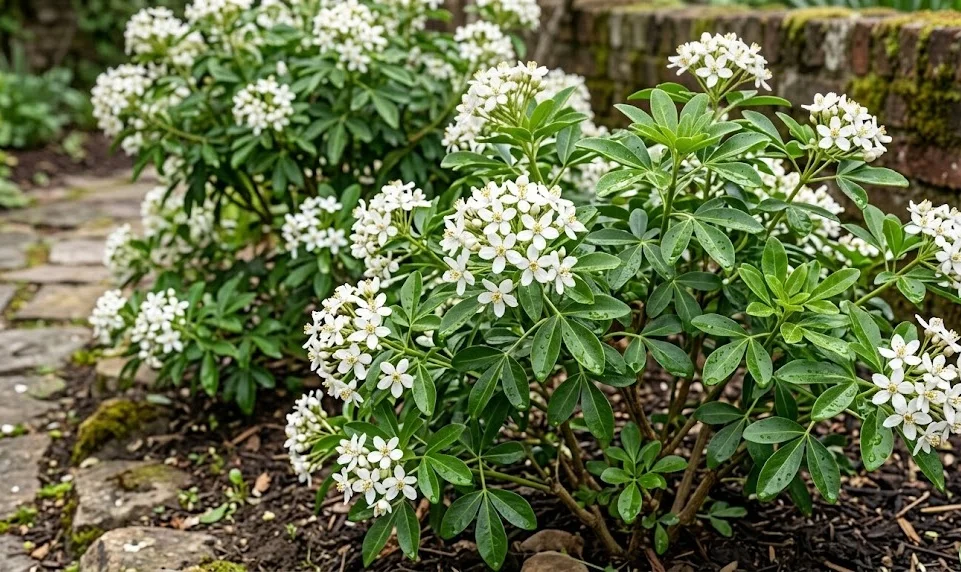

Preparing your garden for the challenges of the winter season is a critical task for maintaining evergreen shrubs. While the Mexican orange blossom is relatively hardy, it still requires specific attention to survive extreme cold and wind. Proper overwintering techniques ensure that the plant emerges in the spring with minimal damage and maximum energy. This guide explains the professional steps you should take to protect your shrubs during the dormant months.
The frost hardiness of a plant is often determined by its age, health, and the specific variety you have chosen. Younger specimens are generally much more vulnerable to cold damage than those with established, woody stems. If you live in an area where temperatures frequently drop below freezing, you must be proactive in your protection strategies. Understanding the local climate patterns will help you decide when it is time to start your winter preparations.
Winter winds can be just as damaging as the cold temperatures, as they cause the evergreen leaves to lose moisture rapidly. This process, known as desiccation, can lead to brown foliage and the death of young branch tips. Providing a physical barrier or a sheltered location can significantly reduce the impact of these drying winds. A well-protected plant will maintain its glossy green appearance even during the harshest months of the year.
Soil moisture management remains important even when the plant is not actively growing or flowering. You should ensure that the ground is well-hydrated before the first hard freeze occurs in late autumn. Frozen soil prevents the roots from taking up water, so the plant must rely on its internal reserves during the winter. A healthy level of hydration is the best defense against the stress of a long and cold dormant period.
Protective covers and barriers
Using a horticultural fleece or burlap wrap is one of the most effective ways to protect your shrub from extreme frost. You should wrap the plant loosely to allow for some air circulation while still trapping a layer of warmer air inside. This protection is especially important for plants that are in exposed locations or those that were recently planted. Be sure to secure the cover firmly so that it does not blow away during a winter storm.
More articles on this topic
Temporary windbreaks can be constructed using wooden stakes and mesh or specialized garden fabric. These structures should be placed on the side of the plant that faces the prevailing winter winds. By breaking the force of the wind, you reduce the rate of transpiration and protect the delicate foliage from physical damage. It is a simple yet professional solution for large shrubs that are difficult to wrap entirely.
Mulching provides an extra layer of insulation for the root system, which is the most sensitive part of the plant. A thick layer of bark, straw, or leaf mold will help keep the soil temperature more stable throughout the winter. You should apply the mulch in late autumn, ensuring that it covers the entire area under the canopy of the shrub. This protective blanket prevents the ground from freezing as deeply, allowing the roots to stay active longer.
Removing the covers during spells of milder weather is important to prevent the buildup of heat and humidity. If the temperature stays above freezing for several days, the plant might benefit from some fresh air and natural light. However, you must be ready to re-apply the protection quickly if a sudden cold snap is predicted in the forecast. Constant monitoring of the weather is a necessary part of the professional overwintering process.
Winter hydration needs
Evergreen plants continue to lose water through their leaves all winter long, unlike deciduous trees that drop their foliage. This means that they can suffer from drought even in the middle of a cold and snowy season. If the ground is not frozen and there has been no rain or snow, a light watering can be very beneficial. You should aim to do this on a bright morning so the water has time to soak in before the evening frost.
More articles on this topic
The timing of your final autumn watering is a key factor in how well the plant survives the coming months. You want the soil to be moist but not saturated as the temperatures begin to drop toward freezing. Excessive water in the soil can expand as it freezes, potentially damaging the roots or causing the soil to heave. Finding the right balance is a skill that distinguishes experienced gardeners from beginners in the field.
Potted specimens of the Mexican orange blossom are much more susceptible to drying out during the winter than those in the ground. The limited soil volume in a container can freeze completely, cutting off the water supply to the plant. You might consider moving your pots to a sheltered spot or wrapping the containers in bubble wrap for extra insulation. Checking the moisture levels of your container plants should be a regular part of your winter routine.
Anti-desiccant sprays are a professional tool that can be used to reduce water loss from the leaves of evergreen shrubs. These products create a thin, waxy coating that slows down the rate of transpiration without interfering with photosynthesis. They are particularly useful for plants that are in very windy or sunny locations during the winter months. Applying these sprays in late autumn can provide an extra layer of invisible protection for your garden.
Managing snow and ice
Heavy snow can be a significant threat to the structural integrity of your Mexican orange blossom. The weight of the snow can cause branches to bend or even snap, especially if it is the heavy, wet variety. You should gently brush away any large accumulations of snow after a storm using a soft broom or your hands. Be careful not to shake the branches too vigorously, as frozen wood is brittle and can break easily.
Ice storms are particularly dangerous because they coat the entire plant in a heavy and unyielding layer of frozen water. You should never try to chip or melt the ice away, as this will almost certainly cause more damage to the foliage and stems. Instead, let the ice melt naturally as the temperatures rise, and provide support to any sagging branches if it is safe to do so. Patience is the best approach when dealing with the aftermath of an ice event in the garden.
Salt and other de-icing chemicals used on paths and roads can be extremely harmful to your garden plants. If your shrub is located near a driveway or a public sidewalk, it may be exposed to salty runoff or spray. You should try to use alternative de-icing products that are safer for plants or create a physical barrier to block the salt. If you suspect salt damage, flushing the soil with plenty of fresh water in the spring can help.
Proper pruning during the growing season can help create a stronger structure that is better able to withstand the winter elements. Removing weak or crossing branches reduces the likelihood of them breaking under the weight of snow or ice. A well-shaped shrub with a balanced canopy will naturally shed some snow and distribute the weight more evenly. Structural maintenance is a long-term investment in the winter resilience of your Mexican orange blossom.
Preparing for the spring thaw
As the days begin to lengthen and the ground starts to thaw, the plant will slowly wake up from its dormancy. This is a critical transition period where you should gradually remove any winter protection that was in place. You must be careful not to act too early, as late spring frosts can still damage the tender new growth. Observing the behavior of other plants in your garden can give you clues about the right timing.
Inspecting the shrub for any signs of winter damage is the first task you should perform in the early spring. You might notice some brown leaf tips or dead wood that occurred during the coldest part of the year. Wait until you see new buds appearing before you decide to prune away any of the affected areas. Sometimes a branch that looks dead will actually produce new growth from its base once the weather warms up.
Providing a light feeding in the early spring will help the plant recover from the stress of winter and prepare for growth. A balanced, slow-release fertilizer is the best choice for providing a steady supply of nutrients as the roots become active. You should also check the mulch layer and replenish it if it has thinned out over the dormant months. This fresh start ensures that your Mexican orange blossom is ready for another successful year.
Monitoring for pests and diseases is especially important as the weather warms and the new growth is soft and vulnerable. Aphids and other insects often emerge just as the first leaves are unfurling in the spring sun. By catching these issues early, you prevent them from taking advantage of the plant’s weakened state after the winter. Your continued care and attention will ensure that your garden remains a professional-grade showcase of horticultural beauty.