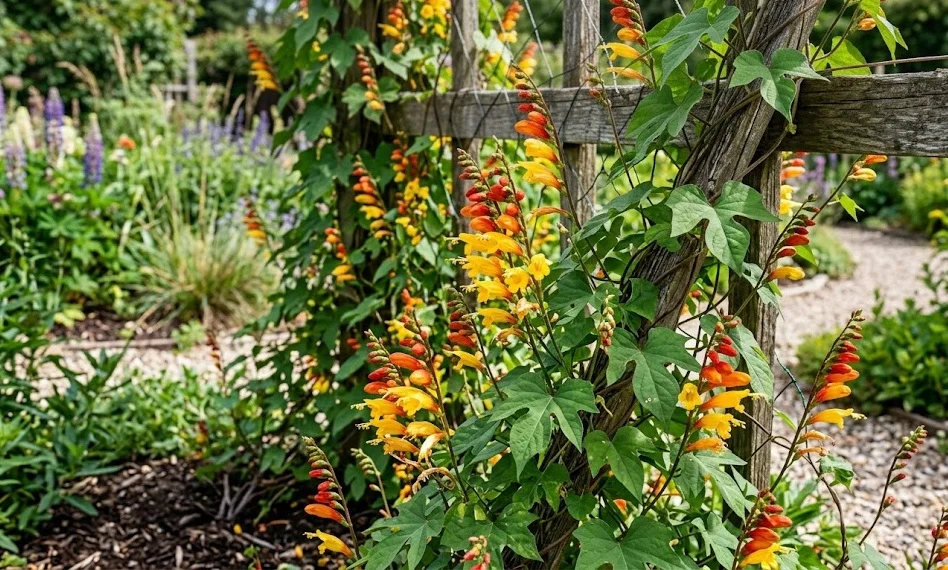

Mastering the hydration and nutritional needs of the Mexican morning glory is fundamental to achieving a lush, flowering display. This plant is a heavy feeder and a thirsty climber, especially during the peak of its growth in the summer months. Because it grows so rapidly, it depletes the available resources in the soil much faster than many other garden varieties. A systematic approach to watering and fertilizing will prevent the plant from stalling or becoming susceptible to environmental stress.
Watering should be done with the goal of keeping the soil consistently moist but never waterlogged or swampy. The frequency of irrigation depends heavily on the local weather conditions, the type of soil, and whether the plant is in the ground or a container. During periods of extreme heat, you may find that the vine requires deep watering every single day to stay healthy. Checking the soil moisture by inserting a finger a few inches deep is the most reliable way to judge the plant’s needs.
The timing of your watering routine can have a significant impact on the health of the foliage and the roots. Watering in the early morning is widely considered the best practice by professional horticulturalists across the globe. This allows the leaves to dry quickly in the sun, which significantly reduces the risk of fungal infections such as powdery mildew. It also ensures that the plant has a full reservoir of water to draw from during the hottest part of the day.
When applying water, it is best to target the base of the plant rather than spraying the entire vine from above. Using a soaker hose or a drip irrigation system is an excellent way to deliver moisture directly to the root zone with minimal waste. This method keeps the flowers and leaves dry, preserving the beauty of the blooms and preventing spotting. Deep, infrequent watering is generally better than shallow, frequent sprinkles as it encourages the roots to grow deeper into the soil.
Nutritional requirements and growth stages
To support its intense growth and flowering, the Mexican morning glory requires a steady supply of balanced nutrients. In the early stages of the season, the focus should be on building strong stems and a large canopy of healthy leaves. A fertilizer with a slightly higher nitrogen content is beneficial during this vegetative phase to fuel the rapid expansion. However, nitrogen should be used with caution, as an excess can lead to lush leaves but very few actual flowers.
More articles on this topic
As the plant transitions into its flowering stage, its nutritional demands shift toward phosphorus and potassium. These elements are essential for the development of the spectacular flower spikes and for overall plant health and disease resistance. Many experts switch to a “bloom booster” formula once the first flower buds begin to appear on the vine. This change in the nutrient ratio encourages the plant to prioritize reproduction over simple leaf growth.
Organic fertilizers such as well-rotted compost, compost tea, or liquid seaweed are highly recommended for this species. These natural products provide a wide array of micronutrients and beneficial microbes that synthetic fertilizers often lack. They also help to improve the structure of the soil over time, making it a better environment for the roots. Applying an organic liquid feed every two to three weeks during the growing season is usually sufficient for excellent results.
Slow-release granular fertilizers can also be a convenient option for busy gardeners who want to ensure a steady supply of food. These products are worked into the soil surface at the beginning of the season and gradually break down over several months. They provide a “safety net” of nutrients that keeps the plant growing even if you miss a scheduled liquid feeding. For the best of both worlds, many professionals use a combination of slow-release granules and occasional liquid supplements.
Managing moisture in containers
Growing this vine in containers presents a unique set of challenges when it comes to maintaining the right water balance. Pots have a much smaller volume of soil than the ground, which means they can dry out incredibly quickly in the sun. A large, vigorous vine can easily exhaust the moisture in a container within a few hours on a hot July afternoon. For this reason, container-grown specimens often require watering twice a day during the height of the summer.
More articles on this topic
Choosing the right type of container can help you manage these hydration needs more effectively for your plants. Plastic or glazed ceramic pots retain moisture much longer than unglazed terracotta, which is porous and allows water to evaporate through the sides. If you prefer the look of terracotta, consider using a plastic liner or applying a sealant to the inside of the pot. Larger containers are always better than smaller ones, as the increased soil volume acts as a buffer against drying out.
Self-watering pots or reservoirs can be a lifesaver for those who cannot commit to a frequent manual watering schedule. These systems allow the plant to draw up moisture from a bottom reservoir as needed through capillary action. This provides a very consistent level of hydration that can lead to even more vigorous growth and more flowers. However, it is still important to check the reservoir regularly to ensure it doesn’t run dry during a heatwave.
Leaching is a common problem in containers where frequent watering washes away the essential nutrients from the potting mix. To compensate for this loss, container-grown vines usually require more frequent fertilization than those planted directly in the garden. Using a diluted liquid fertilizer every ten to fourteen days is a common practice for maintaining peak performance in pots. Always ensure that the container has adequate drainage holes to prevent the accumulation of salts or stagnant water.
Seasonal adjustments and environmental factors
The amount of water and fertilizer the plant needs will naturally fluctuate as the season progresses and the weather changes. During cool, rainy periods, you should reduce your watering frequency to prevent the soil from becoming overly saturated and cold. Conversely, during windy conditions, the plant will lose moisture much faster through its leaves and will need extra hydration. Being observant and adaptable to the current weather is a hallmark of an expert gardener’s routine.
In the late summer, as the days begin to shorten, it is a good idea to start tapering off the fertilizer applications. This signals to the vine that the growing season is coming to an end and encourages it to focus on its final blooms and seeds. Reducing the nutrient input also helps to prevent the production of tender new growth that would be easily killed by the first frost. The goal is to let the plant finish its life cycle naturally and gracefully.
Soil pH can influence how effectively the plant can actually use the fertilizer you are providing in the garden. If the soil is too acidic or too alkaline, certain nutrients become “locked” and are unavailable to the roots regardless of how much you add. Periodically testing the soil can help you identify if you need to adjust the pH to keep the nutrient uptake efficient. Most garden centers sell simple test kits that provide quick and accurate results for home use.
Mulching is a practice that works hand-in-hand with your watering and fertilizing efforts to improve plant health. A layer of organic mulch keeps the soil surface cool, which reduces evaporation and protects the delicate surface roots. As the mulch breaks down, it also adds a slow stream of nutrients back into the soil, acting as a natural supplement. It is one of the most effective ways to create a stable and productive environment for your Mexican morning glory.
Signs of nutrient and water imbalances
Learning to read the leaves of your plant can tell you a lot about its internal health and its current needs. If the leaves are turning yellow but the veins remain green, this is often a sign of iron deficiency or a pH imbalance. Wilting leaves that don’t recover in the evening usually indicate that the soil is too dry and needs immediate deep watering. Conversely, yellowing leaves that feel soft and mushy can be a sign of overwatering and potential root rot.
Brown, crispy edges on the leaves can be caused by several different factors, including wind burn or fertilizer salt buildup. If you suspect salt buildup, flush the soil with large amounts of plain water to wash away the excess minerals. Stunted growth and a lack of flowers even in full sun usually point to a general lack of nutrients, particularly phosphorus. Adjusting your fertilizing routine based on these visual cues is a key part of professional plant management.
Over-fertilizing can be just as damaging as under-fertilizing if it is not caught and corrected early in the process. Excessive nitrogen can cause the plant to produce massive amounts of dark green leaves but absolutely no flower spikes. It can also make the growth very soft and attractive to pests like aphids, which prefer succulent, nitrogen-rich tissues. If you see these signs, stop fertilizing for a few weeks and allow the plant to use up the excess nutrients.
Consistency is the ultimate secret to success when it comes to the long-term health of any high-performance vine. Avoiding extreme “cycles” where the plant goes from bone-dry to soaking wet will prevent stress and promote a longer blooming period. Setting a regular schedule for both watering and feeding helps you stay on top of the plant’s needs throughout the year. With the right balance of resources, your Mexican morning glory will be the highlight of your landscape.