
Strategically pruning and cutting back coltsfoot is an essential management practice that helps control its spread and maintains the health of the colony. While coltsfoot does not require the same kind of structural pruning as a shrub or a tree, targeted interventions throughout the growing season can prevent it from becoming unmanageably invasive. By understanding the plant’s growth habit and reproductive cycle, a professional gardener can use pruning as a tool to rejuvenate old patches and ensure the plant remains a beneficial presence in the landscape. Proper timing and technique are key to achieving the desired results without stressing the plant.
Managing the flowering stage
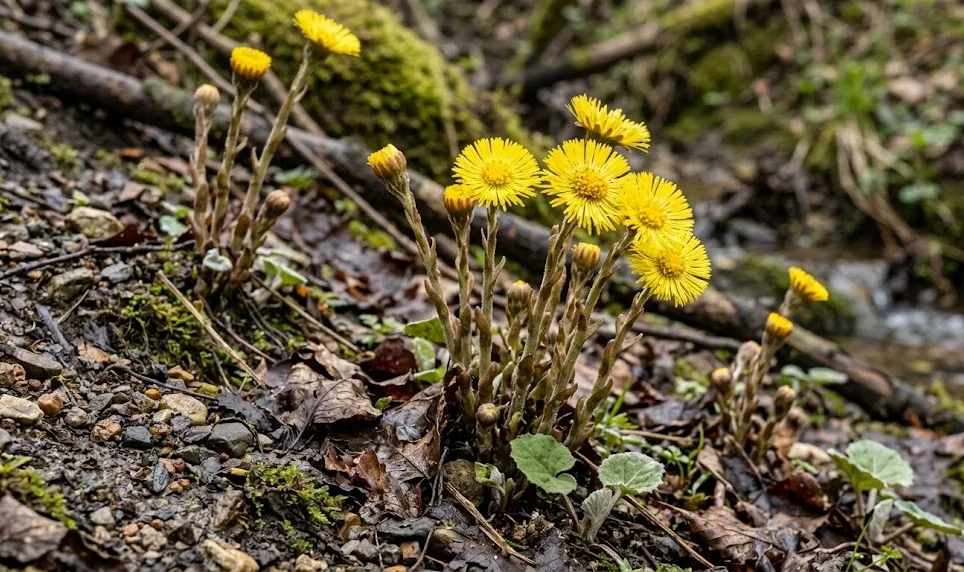
The first opportunity for pruning occurs during the early spring when the plant is in full bloom. If the goal is to prevent the coltsfoot from self-seeding and spreading to new areas, the flower heads should be removed as soon as they begin to fade but before they turn into feathery “clocks.” This process, often called deadheading, stops the plant from putting energy into seed production and instead redirects it toward the development of the rhizomes and leaves. It also prevents the wind from carrying seeds into nearby lawns or garden beds where the plant might not be wanted.
When deadheading coltsfoot, it is best to cut the entire flower stalk back to the ground level using a sharp pair of garden shears or scissors. The stalks themselves are relatively soft and easy to cut, so the process is quick and efficient even for larger patches. Because the flowers appear before the leaves, this task is also very easy to perform without the risk of damaging the main foliage. A clean, sharp cut reduces the chance of disease entering the plant and leaves the area looking tidy and well-maintained.
In addition to preventing unwanted spread, early season pruning can also be used to harvest the flowers for medicinal or culinary purposes. If you are harvesting the blooms, ensure that you take only a portion of the total flowers to allow the plant to maintain some of its natural cycle. Using professional-grade tools ensures that the harvest is clean and that the remaining plant tissue is not crushed or bruised. This careful approach to the flowering stage is the first step in a year-long management plan.
After the flowering stems have been removed, the site may look bare for a short time until the leaves begin to emerge. This is an excellent moment to inspect the soil and remove any early-emerging weeds that might have been hiding under the flower stalks. By keeping the area clear and managed from the very beginning of the season, you reduce the overall maintenance required later in the year. Pruning at this stage is a proactive way to set the tone for the rest of the growing season.
More articles on this topic
Foliage management and thinning
As the large, heart-shaped leaves of the coltsfoot expand during the late spring and summer, they can sometimes become overcrowded, especially in older and more established colonies. Overcrowding can lead to poor air circulation, which increases the risk of fungal diseases like powdery mildew. Thinning out the foliage involves removing some of the older or damaged leaves to allow more light and air to reach the center of the patch. This simple intervention can significantly improve the overall health and appearance of the coltsfoot.
When selecting leaves to remove, focus on those that are yellowing, showing signs of pest damage, or are simply blocking too much light from the ground below. Use a sharp knife or shears to cut the leaf stalk near the base, taking care not to nick the surrounding healthy leaves. Removing about twenty to thirty percent of the foliage in a dense patch is usually enough to achieve a noticeable improvement in airflow. This task is best performed on a dry day to help the cut surfaces heal quickly and prevent the spread of pathogens.
In some cases, the leaves may grow so large that they begin to flop over and smother neighboring plants or encroaching onto pathways. Cutting back the perimeter leaves that are growing out of bounds is an effective way to maintain the desired shape and size of the coltsfoot patch. This “boundary pruning” should be done regularly throughout the summer as the plant continues to expand. It is much easier to maintain a clean edge with frequent light pruning than to try and recover a heavily overgrown area at the end of the season.
During exceptionally hot and dry summers, the coltsfoot leaves may begin to wilt and look ragged even with regular watering. If the foliage becomes unsightly or severely stressed, cutting it back more aggressively can sometimes trigger a fresh flush of new growth once conditions improve. This “rejuvenation prune” involves cutting the leaves back by half or more to reduce the plant’s water demand. While it may temporarily diminish the look of the patch, it can help the plant survive extreme weather and return with more vigor in the autumn.
More articles on this topic
End-of-season cleanup and rejuvenation
The final phase of the pruning cycle occurs in the late autumn after the first few frosts have caused the coltsfoot foliage to die back and turn brown. At this point, the plant has successfully moved its nutrients into the underground rhizomes and the leaves are no longer functional. Cutting the dead foliage back to the ground level is a key part of the overwintering process and helps keep the garden looking neat through the winter months. It also removes the hiding places for pests and the sources of fungal inoculum for the following year.
Using a rake or a pair of large shears, clear away all the dead leaf material and dispose of it away from the coltsfoot patch. If the leaves were healthy during the season, they can be added to a compost pile, but if they were affected by rust or mildew, it is safer to burn them or dispose of them in a green waste bin. Leaving the soil surface clear allows the winter rains and snow to penetrate the ground more effectively. It also makes it much easier to spot the first signs of the flower stalks when they emerge in the early spring.
For very old and congested coltsfoot patches, more intensive rejuvenation pruning of the root system may be necessary every three to five years. This involves using a sharp spade to cut through the rhizome mat and removing sections of the older, less productive roots. This process essentially “thins out” the plant from below the ground, making room for younger and more vigorous rhizomes to expand. This kind of structural intervention is best done in the late autumn or very early spring when the plant is dormant.
After any significant pruning or thinning of the rhizomes, it is a good practice to top-dress the area with a thin layer of compost or well-rotted manure. This provides a fresh source of nutrients to support the new growth that will follow the intervention. Professional care involves not just cutting the plant back, but also providing it with the resources it needs to recover and thrive. By integrating pruning into a larger management cycle, you ensure that your coltsfoot remains a healthy and controlled part of your agricultural landscape for many years to come.