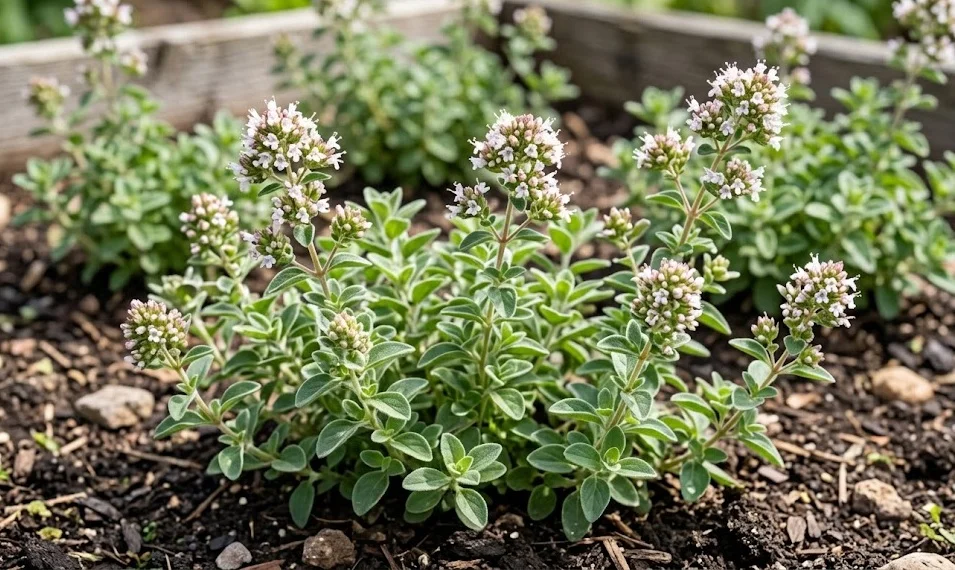

Strategic pruning is an essential horticultural practice that dictates the ultimate architecture of the plant. Without regular trimming, marjoram naturally develops long, woody, and unproductive stems. The primary goal is to encourage a dense, highly branched, and compact vegetative canopy. This intensive management technique directly correlates with significant increases in overall agricultural yield.
Understanding apical dominance is necessary for implementing an effective pruning strategy. The central leading stem naturally secretes hormones that suppress the growth of lower lateral branches. Removing this growing tip abruptly halts this hormonal suppression and awakens dormant axillary buds. This biological manipulation forces the plant to distribute its energy laterally rather than vertically.
The timing of the initial pruning determines the fundamental framework of the seedling. Young plants should be pinched back when they reach exactly ten centimeters in height. This early intervention guarantees a structurally robust base capable of supporting massive foliage production. Delaying this process results in structurally weak plants that collapse under their own weight.
Utilizing sterilized and exceedingly sharp horticultural shears is a non-negotiable professional standard. Clean cuts heal rapidly and prevent the introduction of devastating bacterial or fungal pathogens. Crushing the stems with dull equipment causes extensive tissue necrosis and invites severe disease outbreaks. Routine disinfection of tools between specific field blocks minimizes cross-contamination risks.
Routine maintenance trimming
Continuous maintenance trimming throughout the active growing season sustains vigorous leaf production. Growers must systematically remove the uppermost growth to continually stimulate fresh, tender foliage. This ongoing process prevents the older stems from inevitably turning tough and excessively woody. Harvesting the crop essentially functions as a highly productive form of maintenance trimming.
More articles on this topic
Deadheading, or the removal of developing flower buds, is absolutely crucial for culinary herb cultivation. Once the plant initiates the reproductive flowering phase, vegetative leaf production immediately ceases. The essential aromatic oils also begin to acquire an undesirable, highly bitter chemical profile. Diligently snipping off the floral structures forces the plant to remain in a vegetative state.
Airflow management relies heavily on selective thinning of the incredibly dense internal canopy. Removing crossing or severely congested branches reduces the dangerous accumulation of stagnant humidity. This precise thinning technique acts as a primary defense against destructive fungal infections. It ensures that sunlight and applied foliar treatments penetrate deeply into the plant structure.
Removing any yellowing, diseased, or damaged foliage must be performed on a daily basis. These compromised tissues drain vital energy and serve as active breeding grounds for agricultural pests. Immediate removal and off-site destruction of these organic materials maintains strict field sanitation. This meticulous attention to detail defines high-tier professional horticultural management.
Rejuvenation of older plants
Perennial specimens inevitably experience a natural decline in vigor after several years of cultivation. The central crown becomes dense with dead wood, and new shoots appear increasingly weak. Rejuvenation pruning offers a drastic but highly effective method for completely revitalizing these aging plants. This aggressive technique forces the root system to generate an entirely new vegetative framework.
More articles on this topic
The optimal time for severe rejuvenation pruning is extremely early spring, just before growth resumes. The entire plant structure must be ruthlessly cut back to within five centimeters of the soil. This shocking process removes years of accumulated woody tissue and hidden pest populations. The extensive root system immediately utilizes its stored energy reserves to push explosive new growth.
Post-pruning care demands meticulous attention to soil moisture and targeted nutritional support. The severely reduced canopy temporarily halts the plant’s natural transpiration and cooling processes. A light application of balanced organic fertilizer provides the building blocks for the rapid cellular regeneration. The soil must be kept moderately moist to support the massive influx of emerging shoots.
Within mere weeks, a dense flush of exceptionally vibrant and healthy foliage will emerge. This renewed growth exhibits the intense aromatic potency characteristic of very young seedlings. The rejuvenated plant effectively gains an extended productive lifespan for commercial harvesting purposes. However, this extreme technique should only be performed every three to four years.
Harvesting as a pruning method
In commercial agriculture, the act of harvesting serves a dual purpose as large-scale pruning. Mechanized harvesting equipment is precisely calibrated to sever the stems at specific structural heights. This massive trimming event simultaneously collects the valuable crop and resets the vegetative canopy. Strategic harvest planning guarantees a continuous cycle of aggressive regrowth and subsequent collection.
The height of the mechanical cut is carefully calculated to leave sufficient active foliage. Removing more than half of the total biomass severely shocks the physiological systems of the plant. Retaining adequate photosynthetic surface area ensures a rapid and highly resilient recovery phase. Adjusting the cutting deck height prevents fatal damage to the woody basal crown.
The frequency of harvest-pruning is dictated strictly by the localized climate and seasonal weather patterns. Optimal growing conditions allow for multiple large-scale collections throughout a single summer season. Proper irrigation and fertilization between these severe cutting events are absolutely mandatory for success. Exhausting the plant’s resources without replenishment inevitably leads to sudden crop failure.
The final harvest of the season requires a slightly different agronomic approach. The stems should be left slightly longer to provide vital thermal insulation for the approaching winter. Stripping the plant completely bare leaves the sensitive crown dangerously exposed to lethal frost damage. This conservative final trim prepares the perennial roots for a safe and successful dormancy period.