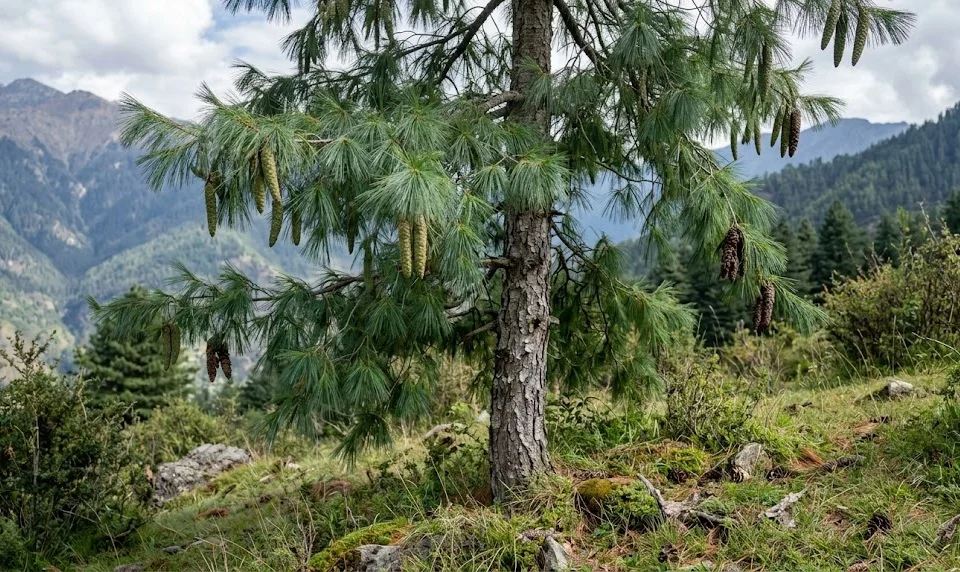

Maintaining the majestic Himalayan white pine requires a deep understanding of its specific ecological needs and growth habits to ensure its long-term health. This tree is celebrated for its graceful, drooping needles and silver-green hue, making it a focal point in any large-scale landscape or professional garden. To achieve success, one must move beyond basic gardening and adopt a holistic approach that considers the tree’s native mountain origins. This guide explores the multi-faceted nature of caring for such a refined specimen, focusing on the nuances that professional horticulturists value.
Understanding the environmental context for growth
When you first introduce this pine to a landscape, you must recognize that its natural habitat provides high humidity and excellent drainage. The tree thrives best when it can mimic its high-altitude ancestry, where air circulation is constant and the soil never stays waterlogged. You should choose a location that offers ample space for the wide canopy to expand without restriction from neighboring structures. Providing these conditions from the start reduces the stress on the plant and allows it to develop its signature elegant form naturally.
Air quality and movement play a significant role in the needle health of these specimens throughout the year. If you plant them in a stagnant pocket of the garden, they may become more susceptible to fungal issues that thrive in still air. You should observe the wind patterns of your site to ensure that the tree receives refreshing breezes without being battered by extreme gales. A balanced environment creates a resilient tree that can withstand the fluctuations of changing seasons with minimal intervention.
Soil depth is another critical factor that you must evaluate before committing to a long-term care plan. The root system of this species tends to be expansive, requiring a significant volume of earth to anchor the tall trunk. If the soil is too shallow or compacted, the tree will struggle to find the stability it needs as it reaches maturity. You should ensure that the subterranean environment is just as welcoming as the open air above to foster a truly healthy specimen.
Consistency in the surrounding environment will lead to a more predictable growth pattern and a more vibrant appearance. You should avoid areas where salt spray or heavy industrial pollutants are present, as the delicate needles are sensitive to chemical stress. Monitoring the site for changes in drainage or light over the years will help you adjust your care routine accordingly. By respecting the tree’s environmental preferences, you establish a foundation for a landscape feature that will last for generations.
More articles on this topic
Managing soil quality and composition
The soil serves as the primary reservoir for nutrients and moisture, making its composition the most vital aspect of your care routine. You should aim for a slightly acidic to neutral pH level, which allows the pine to absorb essential minerals efficiently. If your soil is naturally alkaline, you may need to incorporate organic matter like peat moss or pine bark to adjust the acidity. Regular testing of the soil will give you the data needed to make precise adjustments rather than relying on guesswork.
Drainage is a non-negotiable requirement for this species because standing water can quickly lead to root rot and systemic decline. You can improve heavy clay soils by adding coarse sand or well-rotted compost to create a more porous structure. When you feel the soil, it should crumble easily in your hand rather than forming a tight, sticky ball. A well-structured soil allows oxygen to reach the roots, which is just as important as water for the tree’s metabolic processes.
Organic matter serves as a slow-release fuel source that supports the beneficial microbes living in the rhizosphere. You should regularly top-dress the root zone with high-quality compost to maintain a healthy level of biological activity. This practice not only provides nutrients but also helps to regulate soil temperature throughout the extreme months. A living soil is a resilient soil, and your tree will show its appreciation through lush needle growth and improved color.
Compaction is a silent enemy of large conifers, often caused by heavy foot traffic or construction machinery near the base. You should maintain a clear mulched area around the trunk to prevent the soil from becoming hardened and impenetrable. If you notice the ground becoming packed, gentle aeration may be necessary to restore the flow of air and water. Protecting the physical structure of the earth ensures that the roots can expand and explore for the resources they require.
More articles on this topic
Implementing effective mulching strategies
Mulching is a professional technique that offers multiple benefits, from moisture retention to weed suppression around the base of the tree. You should apply a layer of organic mulch, such as shredded bark or wood chips, in a wide circle extending to the drip line. This layer acts as a protective blanket that keeps the delicate surface roots cool during the heat of the summer. By keeping the soil moist for longer periods, you reduce the frequency of supplemental watering and save valuable time.
The depth of the mulch is a detail that requires careful attention to avoid creating new problems for the tree. You should maintain a thickness of about five to ten centimeters, ensuring that the material is spread evenly across the root zone. However, you must never pile the mulch against the bark of the trunk, as this can trap moisture and encourage rot. Leaving a small gap around the flare of the tree allows the bark to breathe and remain dry and healthy.
Over time, organic mulch will decompose and merge with the top layer of the soil, enriching it with nutrients. You should replenish the mulch layer annually to maintain its effectiveness and keep the garden looking professional and well-maintained. As the material breaks down, it encourages earthworm activity, which further improves the aeration and structure of the ground. This cycle of renewal mimics the natural forest floor where these trees evolved over thousands of years.
Choosing the right type of mulch can also influence the aesthetic appeal of your landscape design. You might prefer darker barks to contrast with the silvery needles, or lighter wood chips for a more naturalistic forest appearance. Whatever material you choose, ensure it is free from pathogens and weed seeds that could compromise the tree’s health. A high-quality mulch is an investment in the longevity and beauty of your Himalayan white pine.
Monitoring and maintaining structural integrity
As the tree grows taller, its long branches can become heavy, especially when laden with snow or after heavy rainfall. You should regularly inspect the branch unions for signs of weakness or narrow angles that might lead to splitting. If you notice any structural concerns, it may be necessary to consult with a professional arborist for cabling or bracing. Proactive management of the tree’s architecture prevents catastrophic damage during storms and preserves its graceful silhouette.
The central leader is the most important part of the tree’s vertical structure and must be protected from damage. You should ensure that no competing stems develop that could lead to a co-dominant leader situation, which weakens the overall frame. If the main leader is damaged by wind or birds, you must carefully select a new lateral branch to train upward. Maintaining a single, strong trunk is the key to achieving the impressive heights this species is known for.
Young trees often require additional support in the form of staking to help them establish their roots in windy locations. You should use flexible ties that allow the trunk to move slightly, which actually encourages the development of stronger reaction wood. Check these ties every few months to ensure they are not girdling the bark as the tree’s diameter increases. Once the root system is firmly established, usually after two or three years, the stakes should be removed entirely.
Cleaning the interior of the canopy is another aspect of maintenance that professional gardeners prioritize. You should remove dead or dying needles that accumulate near the trunk to improve light penetration and airflow through the branches. This internal cleaning reduces the habitat for certain pests and makes it easier to inspect the main limbs for health issues. A clean canopy looks more polished and allows the tree’s natural beauty to shine through clearly.
Adapting care to seasonal transitions
Spring is a season of rapid growth and high energy demands for the Himalayan white pine. You should focus on monitoring the new “candles” or growth tips to ensure they are healthy and free from early-season pests. This is also the best time to check soil moisture as the temperatures begin to rise and the tree’s metabolism speeds up. Providing a gentle boost of nutrients at this stage can help the tree maximize its seasonal development potential.
During the height of summer, the main challenge is managing heat stress and preventing dehydration of the long needles. You should keep a close eye on the weather forecast and provide deep watering during prolonged periods of drought. If the needles start to lose their vibrant color or appear slightly wilted, it is a clear sign that the tree needs more moisture. Using shade cloths for very young specimens during extreme heatwaves can prevent needle scorch and localized damage.
Autumn is the time when the tree prepares for dormancy and the wood begins to harden for the coming cold. You should gradually reduce the frequency of watering but ensure the tree goes into winter with a well-hydrated root system. This is also a great time to apply a fresh layer of mulch to insulate the ground before the first hard freeze. Cleaning up fallen debris from around the base will help prevent overwintering sites for various fungal spores.
Winter care involves protecting the tree from physical damage caused by ice and heavy snow accumulation. You should gently brush off heavy snow from the lower branches to prevent them from bending to the point of breaking. Avoid using salt-based de-icers near the root zone, as the runoff can be toxic to the pine’s sensitive roots. Even in dormancy, the tree benefits from your watchful eye to ensure it emerges in spring without structural flaws.
Assessing and improving tree vigor
Vigor is a measure of the tree’s overall health and its ability to recover from environmental stressors. You can assess this by looking at the length of the annual growth and the density of the needle clusters. A healthy Himalayan white pine will produce long, vigorous shoots and maintain a full, lush appearance throughout the canopy. If growth seems stunted or the needles are thinning, it is time to investigate the underlying cause of the decline.
The color of the needles provides an immediate visual cue regarding the nutritional and hydrational status of the plant. You should look for a consistent silvery-green hue, which indicates that the tree is processing sunlight and nutrients effectively. Yellowing or browning of the needles, especially at the tips, can signal issues ranging from poor drainage to specific mineral deficiencies. Frequent visual inspections allow you to catch these problems early before they affect the whole tree.
Roots are the hidden engine of the tree, and their health is directly reflected in the canopy’s performance. You should occasionally check the soil near the base for signs of healthy root activity, such as white root tips. If you notice any foul odors or mushy sections of root near the surface, it could indicate an anaerobic condition in the soil. Improving the aeration and drainage will usually resolve these issues if they are caught in the initial stages.
Record keeping is a professional habit that helps you track the long-term progress of your horticultural projects. You should note the dates of significant growth milestones, fertilizer applications, and any pest treatments you have administered. This history becomes invaluable when troubleshooting future problems or planning for the next decade of care. A well-documented tree is much easier to manage effectively over its long lifespan.
Designing with the pine in the landscape
Integrating the Himalayan white pine into a garden requires an eye for scale and a deep appreciation for its mature size. You should place it where it can serve as a majestic anchor for the landscape, perhaps at the edge of a large lawn or as a backdrop for smaller shrubs. Consider the way the light hits the needles at different times of the day to maximize the visual impact of its silver shimmer. Planning for its future size ensures that it won’t overwhelm the garden or require excessive pruning later on.
The weeping habit of the branches makes this tree an excellent companion for plants with more rigid or structured forms. You can create a beautiful contrast by planting low-growing, dark green evergreens or colorful deciduous shrubs at its base. This layering effect adds depth to the garden and highlights the unique texture of the pine’s long, soft needles. Always remember to leave enough space between the pine and its neighbors to allow for adequate air circulation.
Privacy and screening are practical uses for this large conifer, as its dense canopy can effectively block unwanted views or wind. You should plant them in a loose row or a staggered group to create a natural-looking barrier that feels integrated into the environment. Because they grow relatively quickly compared to other large pines, they provide functional benefits within a reasonable timeframe. Their height also makes them useful for softening the lines of tall buildings or other large structures.
Finally, consider the sensory experience that this tree provides beyond its visual beauty. The soft sound of wind moving through the long needles creates a calming atmosphere that many gardeners find deeply rewarding. The subtle fragrance of the resin and needles adds another layer of enjoyment to the outdoor space during warm afternoons. By caring for the Himalayan white pine, you are not just growing a tree, but creating a living legacy that enhances the environment.