
Mastering the balance of moisture and nutrients is key to maintaining a healthy and upright mole plant throughout its biennial life cycle. While this species is known for its drought tolerance, providing consistent care during its initial growth phases ensures a robust structure. You must be careful not to over-nurture the plant, as it is naturally adapted to leaner conditions. A professional approach involves monitoring soil conditions and adjusting your intervention based on the current season and weather patterns.
During the first few weeks after germination, the young seedlings require more frequent watering to help them establish a deep root system. The soil should be kept consistently moist but never saturated, as the delicate roots are prone to rotting in standing water. A gentle spray or a drip irrigation system is ideal for delivering water directly to the base of the plants without disturbing the soil. As the plants mature and develop their characteristic taproot, you can gradually reduce the frequency of watering.
Once the mole plant is well-established, it becomes remarkably resistant to dry spells and can survive on minimal supplemental water. In most temperate climates, natural rainfall is often sufficient to meet the plant’s needs during the spring and autumn. During the peak of summer heat, a deep watering once a week is usually enough to keep the foliage looking crisp and vibrant. Always check the top few centimeters of soil; if it feels dry to the touch, it is time to provide some moisture.
Watering should always be done at the soil level rather than over the top of the foliage to minimize the risk of fungal diseases. Wet leaves, especially in humid conditions, can attract unwanted pathogens that may compromise the health of the plant. Early morning is the best time for irrigation, allowing any accidental splashes on the leaves to dry quickly as the sun rises. This practice also ensures that the plant has a full reservoir of moisture to draw from during the hottest part of the day.
Drainage and soil moisture management
The most critical aspect of watering the mole plant is ensuring that excess moisture can escape the root zone quickly and efficiently. This species evolved in Mediterranean climates where winters are wet but the soil is rocky and drains rapidly. In a garden setting, you must replicate these conditions to prevent the onset of root rot or stem decay. If you notice the leaves turning yellow or the stem becoming soft at the base, it is a clear sign that the soil is holding too much water.
More articles on this topic
Improving drainage can be achieved by amending the soil with organic matter or inorganic grit before planting. For established plants, you can carefully create small channels in the soil to direct water away from the main stem during heavy rains. Avoid using heavy mulches that retain too much moisture directly against the plant’s crown, as this can create a microclimate conducive to rot. Instead, use a thin layer of gravel or stone chips to keep the soil surface cool without trapping excessive dampness.
Container-grown specimens require even more attention to drainage, as pots can easily become waterlogged if they don’t have enough holes. Use a high-quality, free-draining potting mix specifically designed for cacti or succulents to provide the right environment. Never let a pot sit in a tray of standing water, as this will lead to the rapid decline of the plant. In rainy weather, it may be necessary to move containers to a sheltered spot to prevent the soil from becoming completely saturated.
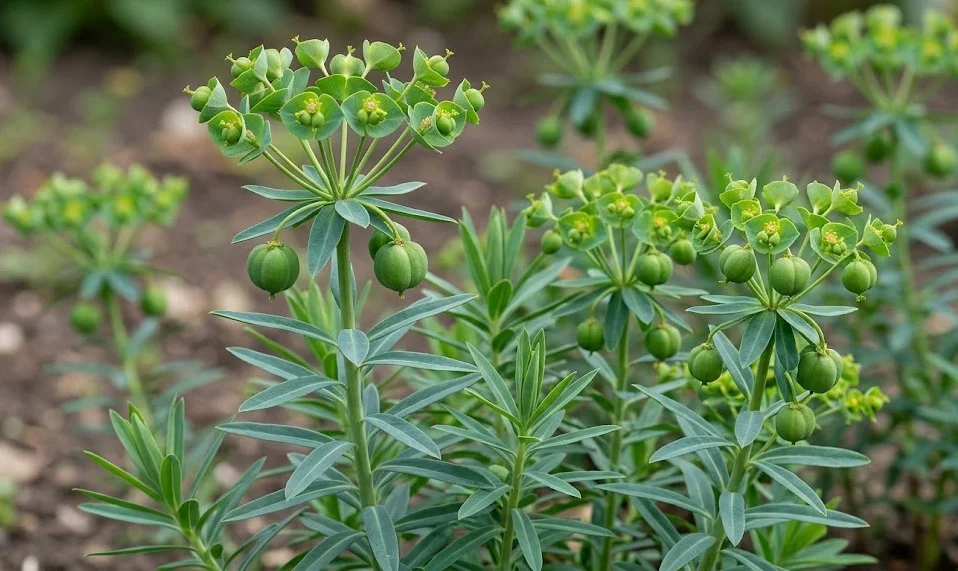
Understanding the visual cues of the plant will help you fine-tune your watering schedule without the need for constant soil testing. A healthy mole plant has turgid, upright leaves that feel firm to the touch and show no signs of drooping. If the plant begins to look slightly wilted in the afternoon, it may simply be reacting to the heat and will recover overnight. However, if the wilting persists into the cool morning hours, it is a definite indication that the plant needs a deep, thorough watering.
Nutritional requirements and feeding
When it comes to fertilization, the mole plant follows the philosophy that less is often more. In its natural habitat, it thrives in relatively poor, stony soils that offer limited nutrients, resulting in slow but sturdy growth. Over-fertilizing, particularly with high-nitrogen products, can lead to rapid, weak growth that causes the plant to flop over. A professional gardener aims to provide just enough support to keep the plant healthy without stimulating excessive or unstable foliage.
More articles on this topic
If your soil is already reasonably healthy, you may find that the mole plant requires no supplemental fertilizer at all. A light application of well-rotted compost around the base of the plant in early spring is often sufficient to provide a slow release of nutrients. This organic approach supports the soil ecosystem while giving the plant a gentle boost as it enters its active growing season. Always keep the compost a few centimeters away from the stem to prevent any potential rot issues.
For plants grown in very poor or sandy soils, a balanced, slow-release granular fertilizer can be used sparingly. Look for a formula where the nitrogen, phosphorus, and potassium ratios are roughly equal, such as a 10-10-10 blend. Apply the fertilizer in the early spring just as new growth begins to appear on the central stem. One application per year is typically all that is needed to sustain the plant through its biennial life cycle and ensure a good flowering display.
Avoid using liquid fertilizers that provide a sudden surge of nutrients, as this can shock the plant and lead to an imbalance in its development. The goal is to maintain the plant’s natural architectural form, which is best achieved through steady, moderate growth. If you are growing the plant in a container, you may need to fertilize more regularly because nutrients leach out of the soil more quickly. In this case, use a diluted half-strength solution every six to eight weeks during the growing season.
Seasonal variations in nutrient needs
The nutrient requirements of the mole plant shift as it moves from its first-year vegetative state into its second-year reproductive phase. During the first year, the plant is building its foundation and storing energy in its thick root system. A focus on balanced nutrients supports this structural development and ensures the plant is strong enough to survive the winter. You should avoid any late-season fertilization that might encourage tender new growth just before the first frosts arrive.
In the second spring, the plant’s demand for nutrients increases as it prepares to produce its large flowering structures and seeds. This is the most appropriate time to ensure the soil has adequate phosphorus to support a healthy and vibrant bloom. However, even during this demanding phase, the plant remains relatively self-sufficient if the soil was well-prepared initially. Observation is your best tool; if the new growth appears pale or stunted, a light feeding may be beneficial.
As the flowers fade and the seeds begin to develop in mid-to-late summer, the plant’s nutritional needs drop off significantly. Feeding the plant at this stage is unnecessary and will not extend its life, as its biological programming is already set for seed production and death. Focus your efforts instead on ensuring the plant has enough water to finish developing its seeds if the weather is exceptionally dry. Allowing the plant to complete its cycle naturally is the best way to ensure viable seeds for the next generation.
Winter is a period of total nutritional dormancy, and no fertilizer should be applied under any circumstances. The roots are not actively taking up nutrients, and any added fertilizer will simply wash away, potentially polluting local groundwater. The plant relies on the energy it has already stored to maintain its green rosette through the cold months. By following these seasonal guidelines, you respect the natural rhythm of the plant and maintain a healthy, sustainable garden environment.
Identifying and correcting nutrient imbalances
Learning to read the leaves of your mole plant can alert you to potential nutrient deficiencies before they become a serious problem. Nitrogen deficiency usually manifests as a general yellowing of the older leaves, while the rest of the plant appears stunted. This can be corrected with a very light application of a nitrogen-rich organic amendment, but be careful not to overdo it. Usually, improving the soil structure and biology will solve these issues more effectively than chemical interventions.
If the leaves take on a purplish or reddish tint, especially on the undersides, it may indicate a phosphorus deficiency. This is more common in cold or overly wet soils where the roots cannot effectively absorb the minerals they need. Before adding more phosphorus, check if the soil drainage can be improved or if the pH level is within the acceptable range. Often, simply waiting for the soil to warm up in the spring will resolve this particular color change without any further action.
Potassium deficiency is less common but can show up as browning or scorching along the edges of the leaves. This mineral is essential for water regulation and overall plant vigor, so it is important to address if signs appear. A small amount of sulfate of potash or seaweed-based fertilizer can provide a quick and safe boost of potassium. However, always remember that these symptoms can also be caused by environmental stress, so rule out watering issues first.
Over-fertilization is perhaps a more common problem for the mole plant than any single deficiency. Signs of nutrient toxicity include exceptionally dark green leaves that are soft and prone to breaking, or an overall distorted growth pattern. If you suspect you have over-fed the plant, the best course of action is to stop all fertilization and flush the soil with plain water. Most mole plants will recover if the excess nutrients are allowed to leach away naturally over time.