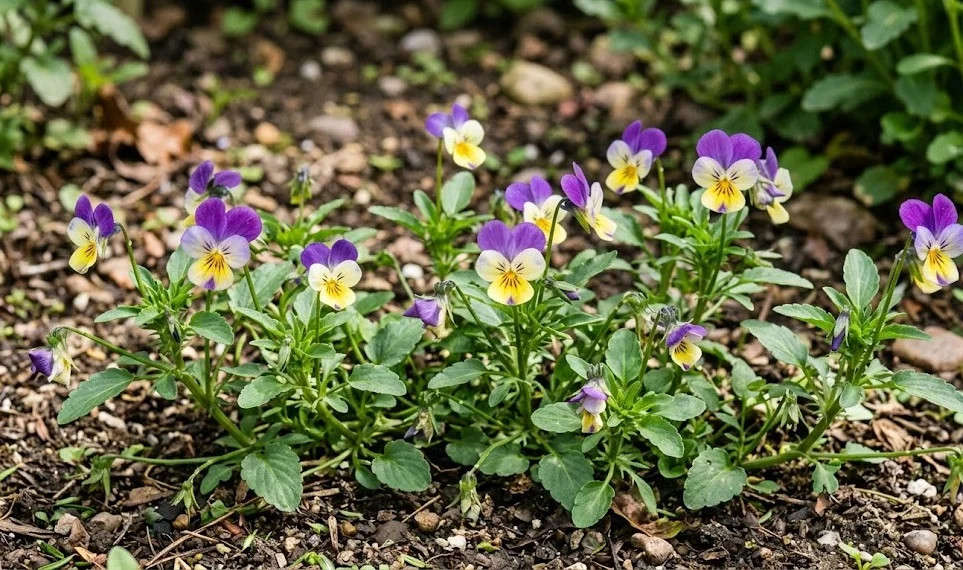

Pruning and cutting back are essential maintenance tasks that distinguish a professional wild pansy display from a neglected one. While these plants may seem small and delicate, they respond remarkably well to targeted intervention with a pair of clean garden shears. Regular pruning not only keeps the plants looking tidy but also stimulates the production of new growth and a continuous succession of flowers. Understanding the different types of cuts and when to apply them is a key skill for any serious horticulturist.
The most basic form of pruning is the removal of spent flowers, a process commonly known as deadheading. When a flower fades and begins to form a seed pod, it signals to the plant that its reproductive work is nearly finished. By removing these old blooms, you effectively restart the plant’s biological clock, encouraging it to produce more flowers to replace the ones it lost. This simple daily or weekly task can easily double the length of your blooming season if done consistently.
As the plant matures, it may start to develop long, straggly stems that look messy and produce fewer flowers at the tips. This “leggy” growth is often a result of high temperatures or a natural part of the plant’s aging process in the late summer. Cutting these stems back significantly can rejuvenate the entire plant, forcing it to produce fresh, compact growth from the base. This technique is often used by experts to give a mid-season “second life” to their garden borders and containers.
Proper pruning also plays a critical role in the overall health and disease management of the wild pansy population. By thinning out crowded stems, you improve the air circulation around the center of the plant, which is vital for preventing rot. It also allows more light to reach the inner leaves, ensuring that the whole plant can contribute to energy production. A professional pruning routine is as much about the plant’s long-term survival as it is about its immediate visual appeal.
Deadheading for continuous bloom
The technique of deadheading involves more than just pulling off the old petals; you must remove the entire flower stem down to the first set of leaves. If you leave the stem behind, it will often turn brown and become a potential entry point for fungal pathogens. Using your thumb and forefinger or a small pair of snips allows for a clean and precise removal without damaging the surrounding foliage. Make it a habit to walk through your garden every few days to keep up with the fading blooms.
More articles on this topic
Identifying which flowers are ready to be removed takes a bit of practice but soon becomes second nature. A spent flower will usually start to shrivel at the edges and lose its vibrant color, often drooping toward the ground. You might also see a small green swelling at the base of the petals, which is the beginning of a seed pod. Removing these before the seeds start to mature is the most important part of the entire deadheading process.
In a large garden bed, deadheading every single flower might seem like a daunting and time-consuming task. However, you don’t have to be perfect to see a massive improvement in the performance of your plants. Even a quick pass through the bed to remove the most obvious old blooms will have a positive effect on the overall display. For those with limited time, focusing on the plants in the most visible areas, like near the front door or on the patio, is a great strategy.
There is a psychological benefit to deadheading as well, as it gives the gardener a reason to interact closely with their plants on a regular basis. While you are pruning, you are also in the perfect position to spot early signs of pests, diseases, or nutrient deficiencies. This close observation is often what prevents small problems from turning into major disasters. Think of deadheading as a combined maintenance and scouting mission for your garden’s health.
Rejuvenating leggy and old growth
When a wild pansy starts to look “tired” and overgrown, a more aggressive approach known as a “hard prune” may be necessary. This involves cutting back the entire plant by about one-third or even one-half of its total height. While the plant may look a bit sparse for a week or two, it will quickly respond with a flush of healthy, vibrant new leaves. This is best done in the early morning or on a cloudy day to minimize the stress on the freshly cut tissues.
More articles on this topic
After a major pruning session, it is vital to provide the plant with a little extra care to support its rapid recovery. A light application of a balanced liquid fertilizer will provide the necessary nutrients for the new growth to develop quickly. You should also ensure that the soil stays consistently moist, as the plant is temporarily more vulnerable to dehydration. With the right support, a pruned pansy can often look better than a brand-new transplant within just a few weeks.
Rejuvenation is particularly effective in the late summer when the plants may be struggling with the heat and looking a bit bedraggled. By cutting them back at this time, you prepare them for the cooler temperatures of autumn, which are ideal for a second blooming peak. Many professional landscapers use this technique to ensure their autumn displays are just as vibrant as their spring ones. It is a simple way to get the maximum value out of every single plant you put in the ground.
You can also use pruning to shape the plants and keep them within their designated boundaries in a mixed flower bed. If a pansy is starting to grow over a smaller neighbor or onto a garden path, don’t be afraid to trim it back. These plants are remarkably resilient and will quickly fill in any gaps with new stems and flowers. Maintaining a clean and structured garden layout is much easier when you use your shears as a regular design tool.
Post-bloom and seasonal management
As the primary growing season comes to an end, the goals of your pruning routine will shift once again. In the late autumn, you should remove any remaining flowers and seed pods to help the plant conserve energy for the winter. You might also want to trim back any particularly long stems that could be damaged by heavy snow or winter winds. This “winterizing” prune helps keep the plant compact and protected during its dormant period.
If you are planning to let your pansies self-seed, you must leave a few of the final flowers of the season to fully mature. This is the only time when deadheading should be avoided, as the plant needs to complete its reproductive cycle. Once the seed pods have turned brown and cracked open, you can then cut back the remaining stems to tidy up the bed for winter. This balance between pruning and natural reproduction is key to a sustainable, long-term garden.
Hygiene is extremely important during and after any pruning session to prevent the spread of diseases. Always use sharp, clean tools and wipe them down with a disinfectant between different sections of the garden. Any plant material that you prune away should be removed from the site and composted, unless it shows signs of disease. Keeping the area around your pansies free of debris will reduce the risk of pests and fungi overwintering in your garden.
Finally, remember that pruning is a tool that should be used with a specific goal in mind for your garden landscape. Whether you want a wild, natural look or a perfectly manicured display, your pruning choices will define the character of your space. Don’t be afraid to experiment with different levels of cutting back to see how your specific pansy varieties respond. Every season offers a new opportunity to refine your skills and create a more beautiful and professional horticultural display.