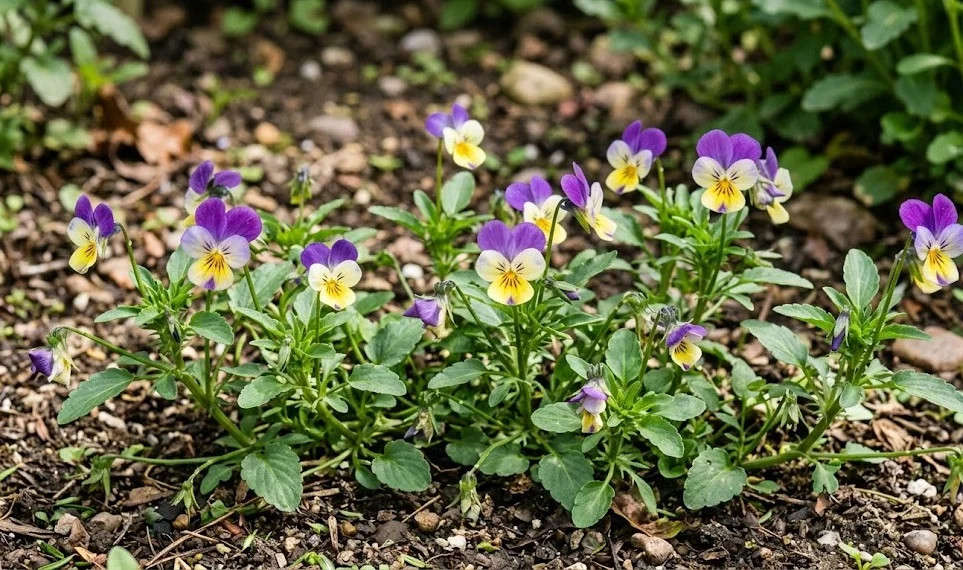

Understanding the light requirements of the wild pansy is a fundamental skill for any gardener aiming for a professional and consistent floral display. These plants are somewhat unique in their ability to adapt to a range of light levels, but they have very specific preferences for optimal performance. The intensity, duration, and quality of light all play distinct roles in determining the strength of the stems and the vibrancy of the petals. A well-placed plant will not only bloom more profusely but will also be significantly more resistant to common environmental stresses.
In the world of horticulture, the wild pansy is generally classified as a plant that prefers full sun to partial shade. This means it needs at least six hours of direct sunlight to maintain its compact growth habit and produce a high volume of flowers. Without enough light, the stems will become “leggy” or stretched as the plant tries to reach toward a source of energy. This weak structure makes the plant more susceptible to damage from wind and heavy rain as the season progresses.
However, the definition of “full sun” can change depending on your geographic location and the time of year. In northern climates with cooler summers, the plants can often handle direct sunlight all day long without any issues. In southern regions where the sun is much more intense, some afternoon shade is actually beneficial to prevent the plants from scorching. Finding the right balance for your specific microclimate is a key part of the professional gardener’s daily observation routine.
Light also interacts with temperature to influence the life cycle of the wild pansy in fascinating ways. These plants are often triggered into blooming by the increasing day length and the warming soil of early spring. Conversely, the very long and hot days of mid-summer can signal the plant to go dormant or stop producing flowers entirely. Understanding these light-based cues allows you to predict the behavior of your garden and plan your maintenance tasks accordingly.
Ideal light exposure and placement
The best possible location for a wild pansy is usually one that receives the soft, bright light of the morning sun. Morning light provides the energy needed for photosynthesis without the intense heat that comes later in the afternoon. This allows the plant to dry off any overnight dew quickly, which is a major factor in preventing fungal diseases. A spot with an eastern exposure is often cited by experts as the “golden location” for most varieties of this species.
More articles on this topic
If you are planting in a spot that receives full afternoon sun, you must be prepared to provide more consistent moisture to compensate. The heat from the intense sun can rapidly deplete the soil’s water reserves and cause the plant to wilt. Using light-colored mulch or decorative stones can help reflect some of the heat away from the root zone in these exposed locations. This simple adjustment can make a significant difference in how well the plant handles the stress of a high-light environment.
Partial shade is an excellent option for extending the blooming season of the wild pansy into the warmer summer months. Areas that receive dappled sunlight under a high-canopy tree provide a cooler environment while still offering enough light for flower production. You might notice that the flower colors are even more intense in partial shade, as they are not being bleached by the direct rays of the sun. This makes shaded borders a perfect home for some of the more delicate and rare color varieties.
When planting in containers, you have the unique advantage of being able to move the plants to follow the best light throughout the season. You can start them in a sunny spot in the early spring to get them blooming quickly and then move them to a cooler, shaded area as summer heat increases. This mobile approach to light management is one of the secrets to having beautiful pansies almost year-round. Always observe how the light moves across your garden at different times of the day to find the best seasonal homes for your pots.
Managing summer heat and shade
During the peak of summer, the primary challenge is protecting the wild pansy from the combined stress of high light and high heat. Even if the plant is receiving the right amount of light, the temperature of the foliage can become dangerously high. Providing temporary shade during the hottest hours of the day can help the plant survive until the cooler evening air arrives. This can be achieved with shade cloth, umbrellas, or even by temporarily moving portable containers behind taller, sun-loving plants.
More articles on this topic
Sunscald is a common issue that occurs when the leaves are exposed to intense sunlight that they are not yet adapted to. It appears as bleached or papery white patches on the foliage, which can eventually lead to the death of the affected leaves. This often happens to plants that have been moved too quickly from a greenhouse or indoor setting into the open garden. To prevent this, always use a gradual acclimation process, slowly increasing the light exposure over a week or two.
Reflected light from light-colored walls or pavement can also increase the intensity of the light and heat reaching your plants. While this can be a benefit in the early spring to warm up the soil, it can be a major liability during a summer heatwave. If your garden is near a white wall or a concrete patio, you may need to provide even more shade and water to keep the pansies healthy. Understanding these subtle environmental factors is what allows a professional gardener to succeed in challenging urban landscapes.
The quality of light also changes with the seasons, being much more intense in the summer than it is in the late autumn. As the sun sits lower in the sky during the autumn months, you may need to move your plants back into more open, sunny locations. This ensures they are still getting enough energy to produce a second flush of flowers before the winter dormancy begins. Adapting to the seasonal rhythm of the sun is a fundamental part of maintaining a long-lived and productive pansy display.
Light impacts on flowering and color
The intensity of light has a direct and measurable impact on the size and quantity of the flowers that a wild pansy produces. Plants grown in high-light conditions generally produce more flowers, as they have more energy available for reproductive growth. However, if the light is too intense, the individual blossoms may be smaller and have a shorter lifespan on the stem. Finding the “sweet spot” of light intensity is the key to achieving those large, iconic pansy faces that every gardener loves.
Petal color is another factor that is heavily influenced by the amount and type of light the plant receives. Some colors, especially the deep purples and blues, can become much richer and more saturated in slightly cooler, shaded conditions. Conversely, some of the bright yellow and orange varieties seem to glow even more brilliantly when bathed in full, direct sunlight. Experimenting with different placements can reveal the hidden aesthetic potential of your chosen varieties.
Light duration, or photoperiod, also plays a role in the plant’s transition from vegetative growth to flowering. Wild pansies are generally considered “long-day” plants, meaning they bloom most vigorously when the days are longer than the nights. This is why you see such an explosion of color in the late spring as the days stretch out toward the summer solstice. Managing the light environment in a greenhouse setting involves using artificial lights to trick the plants into blooming earlier in the year.
Finally, the health of the foliage, which is the plant’s “solar panel,” determines how well it can use the light it receives. Dust, dirt, or residues from sprays can block the light from reaching the chlorophyll in the leaves. Keeping the foliage clean and healthy ensures that the plant is operating at peak efficiency at all times. A well-lit, clean, and properly nourished wild pansy will always be the star of the garden display.