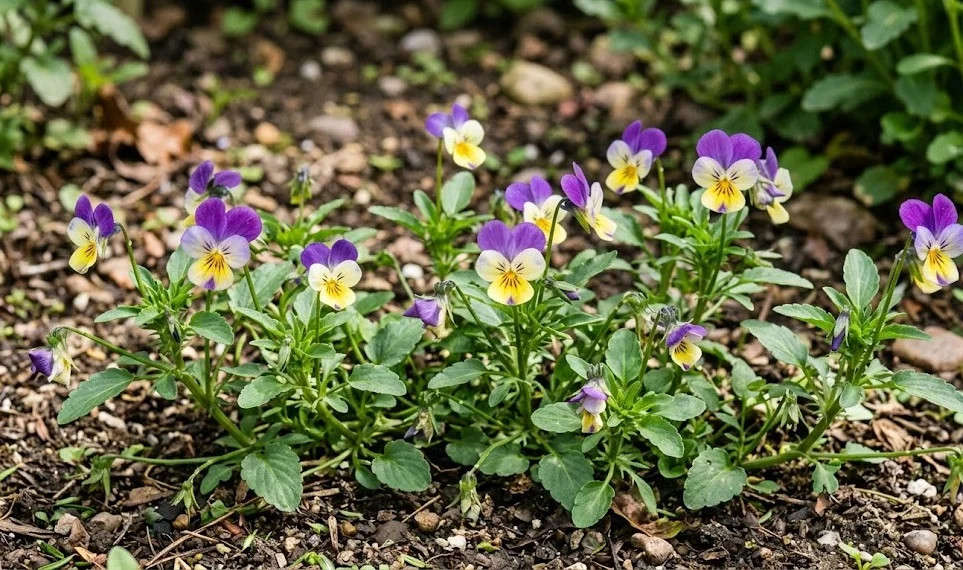

Watering and fertilization represent the two most dynamic components of maintaining a professional-grade display of wild pansies. While these plants are known for their hardy nature, they are quite sensitive to the specific mineral balance and hydration levels in the soil. Achieving the perfect equilibrium requires a gardener to observe the subtle changes in the environment and respond with precision. Proper nutrition and hydration not only improve the visual appeal but also strengthen the plant’s natural defenses.
The frequency of watering depends heavily on the type of soil and the current stage of the plant’s development. Young seedlings have shallow roots and require more frequent, light watering to keep the surface layer moist. As the plants mature, they develop a deeper root system that can access moisture from further down in the soil profile. Understanding this transition is key to moving from daily maintenance to a more sustainable long-term routine.
Fertilization should be viewed as a supplement to, not a replacement for, high-quality soil structure. If the soil is already rich in organic matter, the need for heavy chemical feeding is significantly reduced throughout the season. However, in containers or exhausted garden beds, a structured feeding program becomes essential for maintaining bloom density. A balanced approach ensures that the plant grows steadily without becoming overly dependent on external inputs.
Watering should always be done with the goal of reaching the root zone while keeping the foliage as dry as possible. Wet leaves, especially in the evening, are a primary invitation for fungal pathogens and bacterial infections. Using a soaker hose or a watering can with a long neck can help you target the base of the plant effectively. This technical precision is what separates a thriving garden from one that struggles with constant health issues.
Fundamental hydration principles
The most important rule of watering is consistency, as wild pansies do not react well to a “feast or famine” cycle. Allowing the soil to dry out completely and then flooding it creates physical stress that can lead to petal drop. Ideally, the soil should feel like a wrung-out sponge—damp to the touch but never dripping or muddy. Checking the moisture level with your finger is the most reliable way to determine if it is time to water.
More articles on this topic
Morning is universally considered the best time to provide water to your garden beds and containers. This allows any accidental moisture on the leaves to evaporate quickly as the sun rises and temperatures climb. It also ensures that the plant has a full reservoir of water to draw from during the heat of the midday. Plants that are well-hydrated in the morning are much less likely to wilt when the sun is at its strongest.
Water quality is a factor that is often overlooked by casual gardeners but noted by professionals in the field. If your tap water is exceptionally hard or treated with high levels of chlorine, it can affect the soil pH over time. Rainwater is the ideal source for wild pansies, as it is naturally soft and contains traces of beneficial atmospheric nitrogen. Collecting rainwater in barrels is an excellent way to provide the best possible hydration for your floral display.
During periods of heavy rain, the focus shifts from adding water to ensuring that the excess can escape quickly. If you notice puddles forming around your plants, it is a clear sign that the drainage needs to be improved. You might need to temporarily dig small channels to direct the water away from the crowns of the plants. Preventing waterlogged conditions is just as important as preventing dehydration in the overall care strategy.
Seasonal watering strategies
In the spring, the goal is to support the rapid expansion of foliage and the development of the first flower buds. The soil typically retains moisture well during these cooler months, so the frequency of watering can be lower. However, spring winds can be surprisingly drying, so you must still monitor the plants closely every few days. A consistent supply of moisture now will pay off with a spectacular and healthy initial bloom.
More articles on this topic
When the high temperatures of summer arrive, the watering schedule must be adjusted to combat the increased evaporation rates. You may find that container-grown pansies need water twice a day—once in the early morning and again in the late afternoon. Mulching the surface of the soil can reduce the need for such frequent intervention by trapping moisture underneath. Pay close attention to any signs of heat stress, which can happen even if the soil seems relatively damp.
Autumn brings cooler temperatures and often more natural rainfall, allowing the gardener to step back a bit. This is a time to reduce the watering frequency to help the plant prepare for the upcoming winter dormancy. Overwatering in the autumn can lead to soft, succulent growth that is easily damaged by the first hard frosts. Let the environmental cues guide you as you slowly taper off the supplementary hydration.
Winter watering is still necessary in many regions, especially during long dry spells when the ground is not frozen. Evergreens and winter-blooming pansies still lose moisture through their leaves, even when the air is cold. Only water when the air temperature is above freezing to ensure the water can actually penetrate the soil. A light watering once every two weeks is usually sufficient to keep the roots alive until the spring thaw begins.
Nutrient requirements and timing
Wild pansies are moderate feeders that respond best to a steady supply of nutrients rather than occasional heavy doses. They require a balanced mix of nitrogen, phosphorus, and potassium, often referred to as the NPK ratio. Nitrogen supports the green growth of leaves and stems, while phosphorus is essential for strong root systems and flower development. Potassium helps with the overall hardiness and disease resistance of the plant throughout its life.
The first application of fertilizer should happen about two weeks after transplanting once the roots have settled in. Using a water-soluble, balanced fertilizer at half strength is a safe way to introduce nutrients without burning the young roots. This initial boost helps the plant establish a strong framework before it starts putting energy into flowers. Professional growers often use this “slow and steady” approach to build a more resilient plant structure.
During the peak blooming season, you can switch to a fertilizer that is slightly higher in phosphorus to encourage more flowers. Many gardeners prefer liquid feeds because the nutrients are immediately available to the plant’s root system. Applying these feeds every two to three weeks is generally sufficient for plants growing in the ground. For those in pots, a more frequent schedule might be needed as nutrients leach out with every watering session.
As the season winds down, it is important to stop fertilizing to allow the plant to harden off naturally for the winter. Late-season nitrogen can stimulate new growth that won’t have time to mature before the cold weather hits. This tender growth is highly susceptible to frost damage and can even lead to the death of the entire plant. A final light top-dressing of organic compost in late autumn is a better way to prepare the soil for next year.
Organic vs synthetic fertilizers
Organic fertilizers, such as well-rotted manure, compost, or bone meal, offer a slow-release source of nutrition. These materials work by improving the overall soil health and supporting the beneficial microbial life in the ground. While they may not provide the immediate visual “pop” of synthetic brands, they build a better foundation over time. Many expert gardeners prefer organic methods because they are more sustainable and less likely to cause salt buildup.
Synthetic fertilizers are engineered to provide specific amounts of nutrients in a form that plants can absorb instantly. They are excellent for correcting immediate deficiencies or giving a quick boost to a lagging flower bed. However, they must be used strictly according to the package directions to avoid damaging the plants or the soil. Over-reliance on synthetics can eventually lead to a decline in soil structure and a loss of natural biological activity.
Liquid seaweed and fish emulsions are popular organic liquid fertilizers that provide a wide range of trace elements. These micronutrients, like iron and magnesium, are essential for the complex chemical processes that create vibrant petal colors. They can be applied as a soil drench or even as a foliar spray for quick absorption through the leaves. Regular use of these natural tonics can significantly improve the plant’s ability to withstand environmental stresses.
The choice between organic and synthetic often comes down to the specific goals and values of the individual gardener. Some professionals use a hybrid approach, relying on compost for the base and synthetics for targeted blooming boosts. Regardless of the choice, the most important factor is consistency and observing how the plants respond to each application. A healthy plant will show its appreciation through glossy leaves and a continuous succession of bright, healthy flowers.
Correcting nutrient deficiencies
Identifying a nutrient deficiency early can save your pansies from a slow and unsightly decline in health. Nitrogen deficiency usually appears first as a general yellowing of the older, lower leaves on the plant. If the plant lacks phosphorus, you might notice a purplish tint on the undersides of the leaves or stunted growth. Potassium issues often manifest as browning or “scorching” along the edges of the foliage.
Soil pH is a critical factor because it determines whether the nutrients in the soil are actually available to the plant. If the soil is too alkaline, the plant may struggle to take up iron, leading to a condition called chlorosis. In this state, the leaves turn yellow while the veins remain green, creating a distinctive and problematic pattern. Adding a bit of sulfur or organic matter can help lower the pH and release these locked-away minerals.
Over-fertilization can be just as damaging as a lack of nutrients, often causing a crust of white salts on the soil surface. If you suspect you have overfed your plants, the best solution is to flush the soil with large amounts of plain water. This helps to leach the excess salts out of the root zone and prevent further chemical burn to the tissues. It may take a few weeks for the plant to recover and start producing healthy new growth again.
Regularly testing your soil with a simple home kit can take the guesswork out of your fertilization routine. Knowing exactly what your soil is missing allows you to apply only what is necessary, saving money and protecting the environment. A professional-grade garden is built on data and observation rather than random applications of chemical products. Over time, you will develop an intuitive sense for what your wild pansies need to reach their full aesthetic potential.