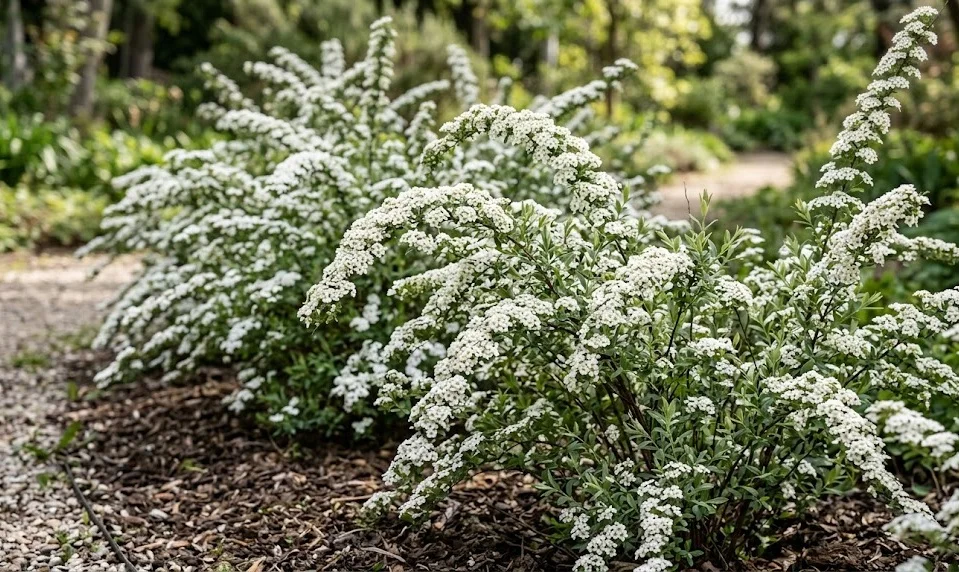

Providing the correct balance of hydration and nutrients is the secret to a garland spirea that looks professional and healthy. While these shrubs are known for being tough, their performance in the garden is directly tied to the consistency of their care. A well-watered plant will maintain lush green foliage throughout the summer, while proper fertilization ensures a massive flower display the following spring. Understanding the specific needs of this species allows you to avoid the common pitfalls of over-care that can lead to disease.
Irrigation frequency
The frequency of your watering routine should be dictated by the local weather conditions and the type of soil in your garden. During the spring, as the plant prepares to bloom, it requires a steady supply of moisture to support the developing buds. If the soil dries out completely during this phase, the flowers may fade prematurely or fail to open fully. Generally, a deep watering once or twice a week is sufficient for established plants in moderate weather.
As the heat of midsummer arrives, you will likely need to increase the frequency of irrigation to prevent heat stress. Sandy soils will lose moisture much faster than clay-based soils, requiring more frequent checks from the gardener. A good rule of thumb is to feel the soil a few inches below the surface to see if it is still damp. If the earth feels dry and crumbly at that depth, it is definitely time to bring out the hose.
During the autumn months, you should begin to taper off the frequency of watering as the plant enters dormancy. Allowing the soil to dry out a bit more between sessions helps the plant realize that the growing season is coming to an end. This natural signal is important for the hardening of the wood, which protects the shrub from winter damage. However, do not let the soil become bone-dry before the ground freezes, as the roots still need some moisture.
Young, newly planted spireas have much higher watering needs than those that have been in the ground for several years. Their limited root systems cannot yet access deep underground water reserves, making them vulnerable to dry spells. For the first year, you should check on them every few days to ensure the root ball remains hydrated. Consistency during this establishment phase is the most important factor for the long-term vigor of the shrub.
More articles on this topic
Methods of watering
The way you apply water can be just as important as how much you provide to the plant. It is always best to water at the base of the shrub rather than spraying the foliage from above. Keeping the leaves dry reduces the risk of fungal diseases like powdery mildew, which thrive on wet surfaces. Using a soaker hose or a drip irrigation system is the most efficient way to deliver water directly to the root zone.
Early morning is the ideal time to water because it allows any accidental moisture on the leaves to evaporate quickly as the sun rises. Watering in the evening can leave the plant damp throughout the night, which is an open invitation for pests and mold. If you must water during the day, try to avoid the hottest hours when much of the water will simply evaporate before reaching the roots. A calm, cool morning session ensures the plant starts the day fully hydrated.
When you do water, aim for a deep soaking that reaches at least twelve inches into the soil profile. Shallow, frequent watering encourages roots to stay near the surface, where they are more susceptible to heat and drought. A slow, steady trickle allows the water to penetrate deeply without running off the surface and wasting resources. This method builds a much more resilient root system that can survive even if you miss a watering session.
Mulching is a complementary practice that makes your watering efforts much more effective over the long run. A two-to-three-inch layer of organic material acts like a blanket, preventing the sun from baking the moisture out of the earth. It also keeps the soil temperature more stable, which reduces the overall stress on the plant during extreme weather. Just remember to keep the mulch from touching the actual stems to prevent bark issues.
More articles on this topic
Nutrient requirements
Garland spireas are not particularly heavy feeders, but they do benefit from a targeted nutrient boost to stay at their peak. Nitrogen is essential for the production of healthy green leaves and strong new stem growth throughout the summer. Phosphorus is the key ingredient for a spectacular bloom, as it supports the development of flower buds and roots. Potassium helps the overall health of the plant by strengthening its natural defenses against diseases and cold.
The best time to apply fertilizer is in the early spring, just as the first signs of new growth appear on the branches. This timing ensures the nutrients are available when the plant is most active and in need of energy for its spring display. You can apply a balanced, slow-release granular fertilizer around the base of the shrub and lightly work it into the soil. Avoid fertilizing in late summer or autumn, as this can stimulate soft new growth that will be killed by the winter frost.
If your plant seems to be growing well and blooming profusely, you might not need to fertilize every single year. Over-fertilizing can lead to excessive foliage growth at the expense of flowers, and it can also attract more pests like aphids. Observing the plant’s performance is the best way to judge whether it needs a nutrient supplement. A simple soil test every few years can tell you exactly which minerals might be lacking in your specific garden environment.
Organic options like compost or well-aged manure are excellent alternatives to synthetic chemical fertilizers. These materials not only provide nutrients but also improve the soil structure and encourage beneficial microbial life. Applying a thin layer of compost each spring acts as both a fertilizer and a soil conditioner, providing a long-term health boost. This natural approach often leads to a more sustainable and balanced growth habit for the shrub.
Organic vs. synthetic fertilizers
Choosing between organic and synthetic fertilizers depends on your gardening philosophy and the immediate needs of your plants. Synthetic fertilizers offer a quick, precise dose of nutrients that can be very helpful if a plant is showing severe deficiencies. They are easy to apply and provide predictable results, which can be useful for beginners. However, they do not contribute to the long-term health of the soil and can sometimes lead to salt buildup.
Organic fertilizers, on the other hand, release their nutrients more slowly as they are broken down by soil organisms. This slow-release nature means you are much less likely to burn the roots of your spirea with an accidental overdose. They also help build a “living soil” that naturally supports plant health through improved aeration and water retention. While they might not show results as quickly as chemicals, the long-term benefits for the garden are significant.
You can also use liquid organic fertilizers, such as fish emulsion or seaweed extract, for a gentle mid-season boost. These are often applied as a soil drench and are quickly absorbed by the plant without the risk of heavy chemical runoff. Liquid feeds are especially useful for plants growing in containers where nutrients are leached out more quickly by frequent watering. They provide a nice pick-me-up during the heat of the summer when the plant might be struggling.
Ultimately, a combination of both methods can be used to achieve the best possible results in a professional landscape. You might use a synthetic starter when planting a new shrub but switch to organic compost for yearly maintenance. The goal is always to support the plant’s natural growth cycle rather than forcing it into unnatural bursts of activity. Healthy soil is the most important factor, regardless of which type of fertilizer you choose to use.
Signs of over and under feeding
Being able to read the leaves of your garland spirea will help you adjust your fertilization schedule before problems become serious. If you notice that the leaves are turning a pale yellow while the veins stay green, the plant might be suffering from iron chlorosis. This is often a sign of high soil pH preventing nutrient uptake rather than a lack of minerals in the soil. Addressing the pH level is usually more effective in this case than adding more fertilizer.
Over-feeding often manifests as extremely long, spindly stems that have very few flowers and tend to flop over. These “water sprouts” are weak and make the shrub look messy and unkempt rather than graceful and arching. If you see this type of growth, you should reduce or eliminate your fertilizer applications for the next season. It is also a sign that the plant may be getting too much nitrogen, which prioritizes leaves over everything else.
On the other hand, a lack of nutrients usually results in very slow growth and a noticeable decline in the number of flowers each year. The foliage may look dull and small, and the plant might struggle to recover from even minor pruning or environmental stress. If your spirea is several years old and hasn’t grown significantly, a balanced feeding in the spring is likely necessary. Consistent monitoring allows you to find the “sweet spot” where the plant is vigorous but not overgrown.
Check the edges of the leaves for browning or “burning,” which can be a symptom of too much fertilizer salt in the soil. This typically happens when granular fertilizers are applied too heavily or when the soil is very dry during application. If you suspect fertilizer burn, you can try to flush the soil with plenty of fresh water to wash away the excess salts. Always follow the package directions carefully to ensure you are providing the right amount for the size of your shrub.