
Pruning and cutting back of cotton lavender is an essential maintenance practice that transforms a potentially unruly shrub into a disciplined and beautiful garden feature. This Mediterranean plant has a natural tendency to grow outward while its center becomes increasingly woody and sparse over time. Without regular intervention, the weight of the stems can cause the plant to split open, exposing an unattractive and often unrecoverable interior. By mastering the timing and techniques of pruning, you can maintain a tight, silvery mound that remains vigorous for many years. This article explores the professional approach to grooming this resilient species, ensuring that its architectural form and fragrant foliage are always at their peak.
The primary objective of pruning cotton lavender is to stimulate new growth from the base and prevent the accumulation of old, brittle wood. This process is both a science and an art, requiring a balance between aggressive cutting and a respect for the plant’s natural limits. You should aim to keep the foliage dense enough to hide the internal stems while allowing enough air to circulate through the heart of the bush. Regular pruning also encourages the plant to focus its energy on producing the essential oils and vibrant leaves that make it so distinctive. A well-pruned specimen is not only more attractive but also significantly more resistant to the weight of snow and the stress of heavy winds.
Timing is the most critical factor when planning your pruning sessions to ensure the plant has enough time to recover before extreme weather arrives. Most professional gardeners agree that early spring is the optimal window for the main rejuvenation of the shrub. At this time, you can cut back the previous year’s growth quite hard, provided you leave a few inches of green tissue above the older wood. Pruning in late autumn should generally be avoided, as it can stimulate new growth that is too tender to survive the coming winter frosts. Understanding the seasonal rhythm of the plant allows you to work with its natural growth cycles for the best possible results.
Structural pruning involves more than just a surface trim; it requires a thoughtful evaluation of the plant’s overall shape and density. You should use sharp, high-quality shears or snips to ensure clean cuts that heal quickly and minimize the risk of infection. As the plant ages, you may need to remove some of the oldest, most woody branches entirely to make room for younger, more flexible ones. This “thinning” process keeps the shrub youthful and prevents the common problem of the center dying out due to a lack of light. Professional pruning is a long-term investment in the vitality and longevity of your cotton lavender collection.
Techniques for seasonal rejuvenation and shaping
The “spring shearing” is the most transformative task in the care of cotton lavender and should be performed just as the first new buds begin to swell. You can safely remove about one-third to one-half of the plant’s total height, shaping it into a neat, rounded dome as you go. It is vital to avoid cutting back into the very old, dark wood that has no visible green shoots, as this part of the plant may never recover. By leaving a “green sleeve” of younger tissue, you provide the buds that will quickly fill in the plant with fresh, silver foliage. This annual haircut keeps the plant compact and prevents it from becoming a leggy, sprawling mess.
More articles on this topic
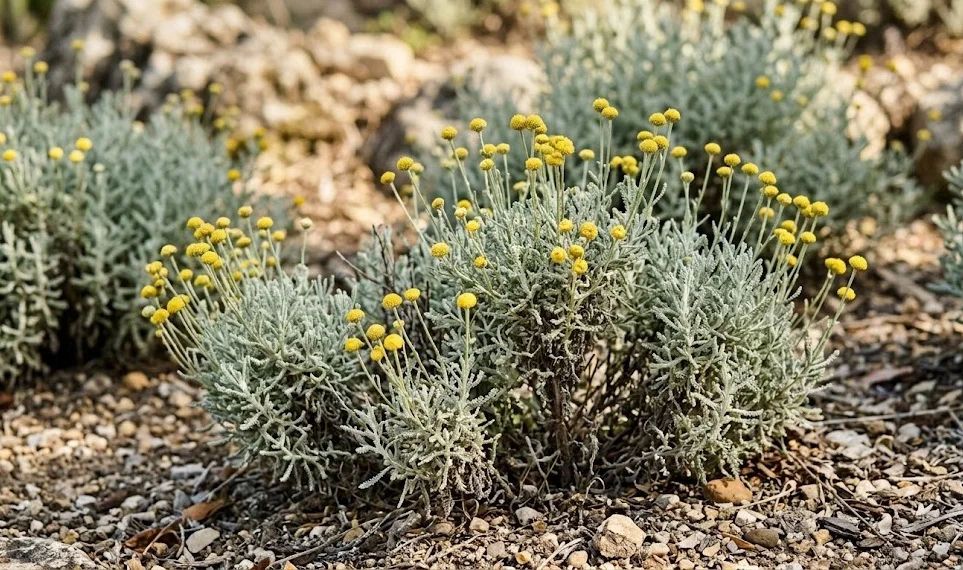
During the summer months, a lighter touch is required to maintain the plant’s appearance without disrupting its flowering cycle. If you enjoy the yellow button-like blooms, you should allow the flower stalks to develop and fade before doing any further cutting. Once the flowers have turned brown and lost their charm, “deadheading” is a professional technique used to tidy the shrub. Cut the flower stalks back to the level of the surrounding foliage, being careful not to remove the healthy leaves underneath. This redirects the plant’s energy away from seed production and back into maintaining its structural integrity and leaf color.
For older specimens that have been neglected, a more radical approach known as “renovation pruning” may be necessary, though it comes with some risk. This involves cutting back the plant much harder over a period of two or three years to slowly encourage growth from the lower, woodier parts. You should never cut the entire plant back to the ground in a single season, as this will likely kill it. Instead, remove a few of the oldest branches each year and wait to see how the plant responds before doing more. This patient strategy is the only way to save a plant that has become severely overgrown and split.
Aesthetic shaping should follow the natural habit of the plant, which is to form a low, spreading mound. You can use cotton lavender as a formal low hedge or as an informal architectural element in a rock garden or border. If you are growing it as a hedge, regular light trims during the growing season can help maintain a sharp, clean line. However, even in a formal setting, you must still perform the deeper spring pruning to prevent the internal woodiness that eventually ruins a hedge’s appearance. Combining regular grooming with deep rejuvenation is the secret to a professional-looking Mediterranean garden.
Managing woody growth and longevity
Woodiness is an inevitable part of the life cycle of cotton lavender, but its impact can be managed through consistent care. As the plant grows, the outer foliage shades the inner stems, causing them to lose their leaves and become hard and brown. This woody core is the most fragile part of the plant and is where most structural failures occur during winter storms. By thinning out some of the outer stems during your spring pruning, you allow more light to reach the center, which can slow down the wooding process. A “breathable” plant with light penetrating its core will remain attractive and healthy for much longer than a dense, neglected one.
More articles on this topic
The lifespan of a well-maintained cotton lavender is typically between five and ten years, after which the plant may naturally begin to decline. You will notice that the recovery from pruning becomes slower and that the new growth is less vigorous than it once was. This is the stage where you should begin to think about succession planting and preparing new specimens to take the place of the old ones. Often, it is better to replace a failing, woody plant with a fresh, young one rather than trying to perform miracle surgery on an old shrub. Professional gardening involves recognizing when a plant has reached its limit and managing the transition gracefully.
Pruning also offers an excellent opportunity to inspect the plant for any hidden signs of pests or diseases that might be tucked away in the dense foliage. As you work through the branches, look for any discolored wood, fungal growth, or insect colonies that you might have missed from a distance. Removing diseased or damaged stems during your routine pruning prevents these issues from spreading to the rest of the plant. Consider your pruning session as a “health checkup” for the shrub, where you can intervene early to protect its long-term vitality. A clean, well-groomed plant is always the healthiest and most resilient.
Finally, always remember to clean and sanitize your pruning tools before and after working on your cotton lavender. This simple step prevents the accidental spread of pathogens between different parts of your garden and ensures that your cuts are as clean as possible. Dull or dirty tools can crush the stems instead of cutting them, creating jagged wounds that are much more likely to rot. Investing in a high-quality pair of bypass pruners and keeping them sharp is a mark of a professional gardener who respects their plants. With the right tools and techniques, pruning becomes a satisfying and rewarding part of your gardening routine.
Conclusion and final thoughts on maintenance
In summary, regular pruning is the key to unlocking the full potential of cotton lavender as a decorative and structural element in your garden. By following the principles of spring rejuvenation, summer deadheading, and careful structural thinning, you ensure that your shrubs remain vibrant and silver for many years. Don’t be afraid to be firm with your shears; this plant is built to handle regular cutting and will respond with a flush of healthy, aromatic new growth. Consistency is more important than perfection, and even a simple annual trim will make a massive difference in the long-term health of the plant.
Professional gardening is about understanding the natural tendencies of a species and guiding them toward a desired aesthetic and biological outcome. Cotton lavender is a versatile and generous plant that asks for very little in return for its constant beauty and fragrance. By taking the time to master the art of pruning, you become a more confident and effective steward of your outdoor space. Enjoy the process of shaping your landscape and watching as your silver mounds thrive under your expert care. With the right approach, your cotton lavender will remain a highlight of your garden for every season to come.