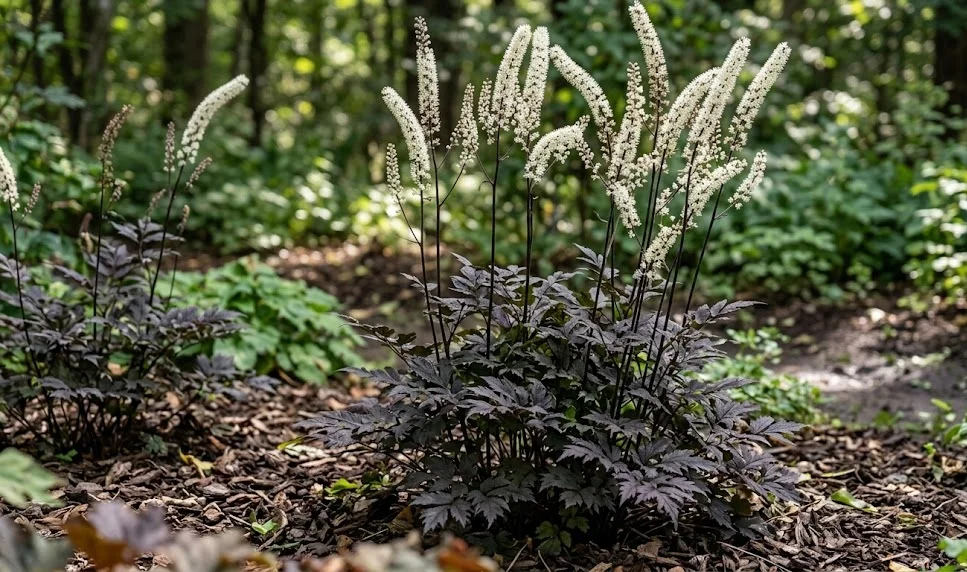

Understanding the specific light preferences of these elegant perennials is essential for achieving the best foliage color and floral performance. Native to the dappled shade of deciduous forests, they have evolved to thrive in environments where direct sunlight is limited and intensity is low. In a garden setting, placing them in the right light can mean the difference between a stunted, scorched plant and a towering, majestic specimen. By carefully observing how the sun moves through your landscape, you can find the perfect home for these beautiful and dramatic garden residents.
The importance of shade
For the majority of varieties, particularly those with darker foliage, consistent shade or dappled light is the ideal growing condition. These plants are built for lower light levels, with large leaves that are designed to capture as much energy as possible from filtered sunlight. In a deep shade environment, the plants may grow slightly slower, but the foliage will remain lush, deep in color, and free from the browning edges caused by sun scorch. This makes them an invaluable choice for those difficult corners of the garden where many other flowering plants struggle to survive.
Morning sun followed by full shade in the heat of the afternoon is often described as the “gold standard” for these woodland giants. The gentle morning light provides enough energy to support robust growth and flower production without the intense heat that can stress the plant. If the light is too dim, the plant may become leggy as it stretches toward the nearest source of illumination, which can compromise its structural integrity. Finding that balance where the light is sufficient but soft is the secret to a perfectly formed and healthy specimen.
The quality of the shade also matters, as there is a significant difference between the “bright shade” found under a high tree canopy and the “dark shade” found against a north-facing wall. Bright shade, where the light is reflected and indirect, is generally more beneficial for these perennials as it provides a broader spectrum of light. You can create this effect by thinning out the lower branches of overhanging trees or by using light-colored fences to reflect more ambient light into the garden bed. This subtle adjustment can dramatically improve the vigor and appearance of your plants over time.
In very hot climates, providing total shade during the peak of summer may be necessary to keep the plant alive and looking its best. The intense UV radiation and high temperatures of a southern summer can be too much for these cool-weather lovers, even if the soil is kept moist. You might consider using a temporary shade cloth during the hottest weeks of July and August if you notice the leaves beginning to curl or fade. Protecting the plant from excessive light stress ensures that it remains healthy and ready to bloom when the cooler temperatures of autumn arrive.
More articles on this topic
Direct sunlight considerations
While these are primarily shade plants, some direct sunlight can actually be beneficial for certain cultivars, especially those with green or variegated foliage. A few hours of direct light, preferably in the early morning or late afternoon, can encourage more prolific flowering and a sturdier growth habit. The key is to avoid the harsh, high-intensity rays that occur between 10:00 AM and 4:00 PM, which are most likely to cause damage. If you choose to plant in a sunnier spot, you must be prepared to provide much more frequent watering to compensate for the increased evaporation.
Foliage color is directly influenced by light intensity, with the dark-purple and bronze varieties often needing a bit more light to develop their deepest hues. If grown in too much shade, these dark-leaved plants may revert to a dull green color, losing much of the aesthetic drama that makes them so popular. You should experiment with placement to see where your specific variety achieves its best color without showing signs of leaf scorch. It is often a process of trial and error as you learn the unique microclimates within your own garden space.
If you notice the leaves turning brown and crispy at the edges, it is a clear sign that the plant is receiving too much direct light or that the air is too dry. This sun scorch is permanent for the season, so it is important to intervene as soon as you see the first signs of damage. You can provide temporary shade using a patio umbrella or by placing larger, sun-tolerant plants nearby to act as a living screen. Long-term, you may need to relocate the plant to a more protected location if the sun exposure remains a constant problem.
Acclimatizing new plants to their light environment is a crucial step that is often overlooked by many home gardeners. When you bring a plant home from a nursery, it has likely been grown under professional shade cloth and may not be ready for even a few hours of direct garden sun. You should gradually introduce the plant to its new light levels over a period of a week or two, moving it from deep shade to its final position. This “hardening off” process allows the leaves to thicken and adjust their cellular structure, preventing transplant shock and sun damage.
More articles on this topic
Environmental stress management
Light levels and soil moisture are inextricably linked, as more light inevitably leads to a higher demand for water from the root system. You can help your plants cope with brighter light by ensuring the soil is rich in organic matter and always kept moist. A thick layer of mulch will keep the root zone cool, which helps the plant better tolerate the heat that often accompanies direct sunlight. By managing the soil environment, you give the plant the resources it needs to handle the stresses caused by its light exposure.
Air movement is another factor that can mitigate the effects of intense light by cooling the leaf surfaces and preventing stagnant heat from building up. However, you must be careful not to place the plants in a wind tunnel, as the tall flower spikes are easily damaged by strong gusts. A gentle, cooling breeze is ideal, as it helps the plant transpire more efficiently and reduces the risk of fungal diseases that thrive in still, humid air. This balance between protection and ventilation is a key part of professional garden design and maintenance.
Reflective surfaces, such as light-colored walls or large windows, can inadvertently increase the light intensity in a shaded garden bed. You should be aware of these “hot spots” when choosing a planting site, as they can cause localized sun scorch even in areas that seem generally shaded. Strategic planting of shrubs or the use of trellis work can help break up these reflections and create a more uniform light environment for your perennials. Paying attention to these subtle environmental details will help you create a more stable and healthy garden.
Finally, remember that the light requirements of your garden will change as trees grow and buildings are altered over the years. What was once a perfectly shaded spot may become quite sunny as a neighboring tree is removed or pruned. You should re-evaluate the light levels in your garden every few seasons to ensure your bugbane is still in the best possible location. Being willing to move and adapt your plantings as the garden matures is the mark of a truly dedicated and successful gardener.