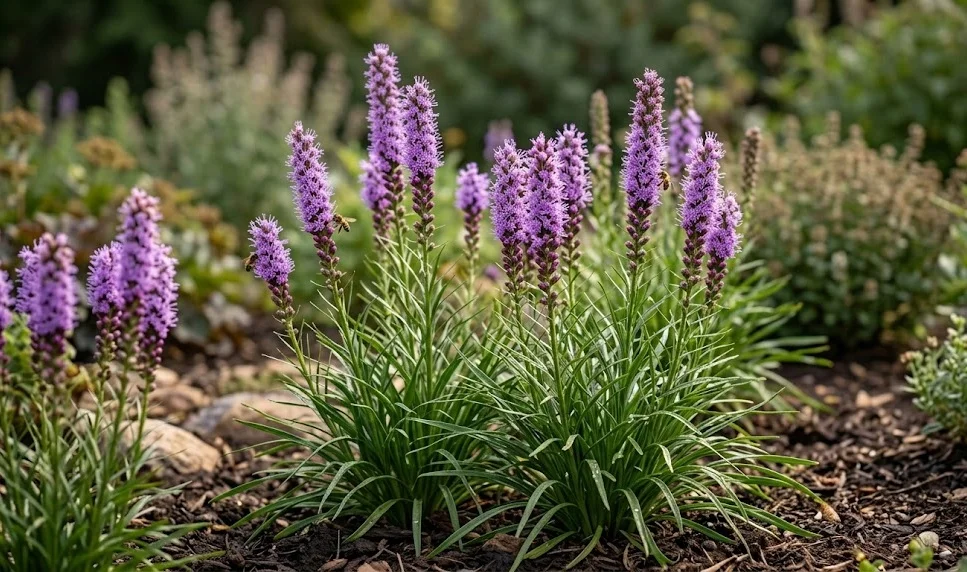

Successfully managing the dormant period of the dense blazing star is essential for ensuring its return and vigor in the following growing season. As a native of the temperate prairies, this species is well-adapted to surviving cold winters, but certain professional precautions can prevent winter-related losses. Understanding the physiological changes the plant undergoes as it enters dormancy allows for a more effective and supportive winter care strategy. A professional gardener views the winter months as a critical phase of the plant’s life cycle that requires specific attention to soil and moisture conditions.
Autumn preparations for dormancy
The process of preparing for winter begins in the late summer and early autumn as the plant naturally starts to wind down its metabolic activities. One of the most important professional practices is to stop applying nitrogen-heavy fertilizers at this time to prevent the stimulation of new, tender growth. This allows the existing tissues to harden off and the plant to focus on moving its energy reserves into the underground corms. The natural yellowing of the foliage is a sign that this internal reallocation of resources is proceeding as it should.
Deciding when to cut back the foliage is a topic of much discussion among professional horticulturists and landscape designers. Leaving the stems and seed heads standing through the winter provides structural interest in the landscape and a food source for local birds. However, if there have been significant disease issues during the summer, it is often better to remove and dispose of the stalks to reduce the pathogen load. This choice should be made on a plant-by-plant basis, prioritizing the overall health and sanitation of the garden bed.
The management of soil moisture in the autumn also plays a key role in the plant’s winter survival and long-term health. While it is important not to let the corms dry out completely before the ground freezes, excessive moisture can be far more damaging. Ensuring that the soil drainage is functioning properly before the onset of the wet winter months is a critical professional task. A final, deep watering before the first hard freeze can be beneficial if the autumn has been exceptionally dry.
Applying a fresh layer of mulch in the late autumn provides a protective buffer against the extreme temperature fluctuations of the winter season. This is especially important in regions where the ground undergoes repeated freezing and thawing cycles, which can cause the soil to “heave” and push the corms out of the ground. A professional uses a loose, organic mulch that provides insulation without trapping excessive moisture against the crown of the plant. This simple intervention can significantly increase the survival rate of the perennials in challenging climates.
More articles on this topic
Mulching and crown protection
The primary goal of winter mulching is to maintain a stable soil temperature rather than simply keeping the ground warm. By preventing the soil from warming up prematurely during winter thaws, the mulch keeps the plant in its necessary dormant state. This prevents the corms from attempting to send up new shoots too early, only to have them destroyed by a return to freezing temperatures. A professional gardener understands that consistency is the most important factor for a successful overwintering process.
Selecting the right material for mulching is a key decision that affects both the health of the plant and the aesthetics of the winter garden. Coarse materials like shredded bark, evergreen boughs, or straw are often preferred because they allow for good air circulation and water movement. Avoid using heavy, matted leaves or dense compost that could create a suffocating layer and encourage rot in the damp winter conditions. The thickness of the mulch should be adjusted based on the severity of the local climate and the degree of protection required.
In areas with particularly harsh winters and little snow cover, additional protection for the crown may be necessary to ensure survival. Some professionals use specialized winter covers or even inverted baskets filled with light mulch to provide an extra layer of insulation for prized specimens. These measures are especially useful for newly planted divisions or young seedlings that haven’t yet established a deep and resilient root system. The key is to provide enough protection to prevent extreme cold damage while still allowing the plant to breathe.
As the winter progresses, it is important to monitor the mulch layer and make any necessary adjustments to keep the plants protected. Wind and animals can sometimes disturb the mulch, leaving the crowns of the plants exposed to the elements. A quick professional check after heavy storms or periods of high wind ensures that the protective barrier remains intact throughout the season. This proactive monitoring is what prevents many of the common winter losses that occur in less managed garden settings.
More articles on this topic
Understanding dormancy stages
The dormancy of the dense blazing star is not a static state but a dynamic physiological process that changes over the course of the winter. In the early stages, the plant enters a period of endodormancy, where internal signals prevent it from growing even if the weather is temporarily favorable. This is a crucial survival mechanism that protects the plant from the unpredictability of the late autumn and early winter climate. A professional gardener respects this natural timing and avoids any actions that might disrupt this deep rest period.
As the plant accumulates “chilling hours” throughout the winter, it moves into a state of ecodormancy, where it is capable of growth but is held back by the external environment. During this phase, the plant is simply waiting for the right combination of soil temperature and day length to begin its spring emergence. Understanding these stages helps the gardener predict when the first signs of growth will appear and how to time their spring maintenance tasks. It also reinforces the importance of patience and observation during the long months of the dormant season.
The health of the underground corm during dormancy is the most important factor in the plant’s eventual performance in the spring. These storage organs are remarkably resilient but can be damaged by extreme cold if they are not properly insulated by soil or mulch. A professional will occasionally check the condition of a few corms if there is a concern about winter damage or soil moisture levels. This subtle monitoring provides valuable insights into how the plants are handling the specific challenges of the current winter season.
The interaction between the dormant plant and the local soil biology continues even during the coldest months of the year. While the plant is not actively growing, the microbial community in the soil remains active, breaking down organic matter and preparing nutrients for the coming year. This hidden activity is a vital part of the garden’s overall health and is supported by the presence of organic mulch and a lack of soil disturbance. A professional gardener values this invisible work and strives to maintain a healthy and undisturbed soil environment during the winter.
Spring emergence and recovery
The first signs of spring emergence are a moment of excitement and a signal for the gardener to transition back into active maintenance mode. As the soil warms, the dense blazing star will send up small, reddish-purple shoots from the center of its crown. At this stage, it is important to carefully remove the winter mulch from directly over the crown to allow the new growth to reach the sunlight. A professional does this gradually, ensuring that the young shoots are not suddenly exposed to a late frost or drying winds.
Clearing away the remains of the previous year’s growth should be done as soon as the new shoots are clearly visible and the risk of extreme cold has passed. Using sharp pruners to cut the old stems back to the ground creates a clean and organized appearance for the new growing season. This task also provides an opportunity to inspect the plant for any signs of winter damage or pests that may have overwintered in the debris. A professional gardener uses this time to set the stage for a productive and healthy year for their perennials.
If any winter-related damage is discovered, such as heaved corms or rotted sections, immediate corrective action should be taken. Heaved plants should be gently pressed back into the soil and covered with a light layer of compost to protect any exposed roots. If a portion of the clump has died, removing the dead material prevents the spread of rot to the healthy parts of the plant. These early interventions are crucial for ensuring that the plant can recover quickly and reach its full potential during the summer.
As the weather continues to warm, the focus shifts to providing the emerging plants with the water and nutrients they need for their rapid spring growth. A light application of balanced fertilizer or a fresh layer of compost can give the plants the boost they need to develop strong stems and vibrant foliage. Monitoring the soil moisture becomes important again as the plants’ water needs increase with their expanding leaf surface area. This professional transition from winter protection to spring support ensures a successful start to the new annual cycle.