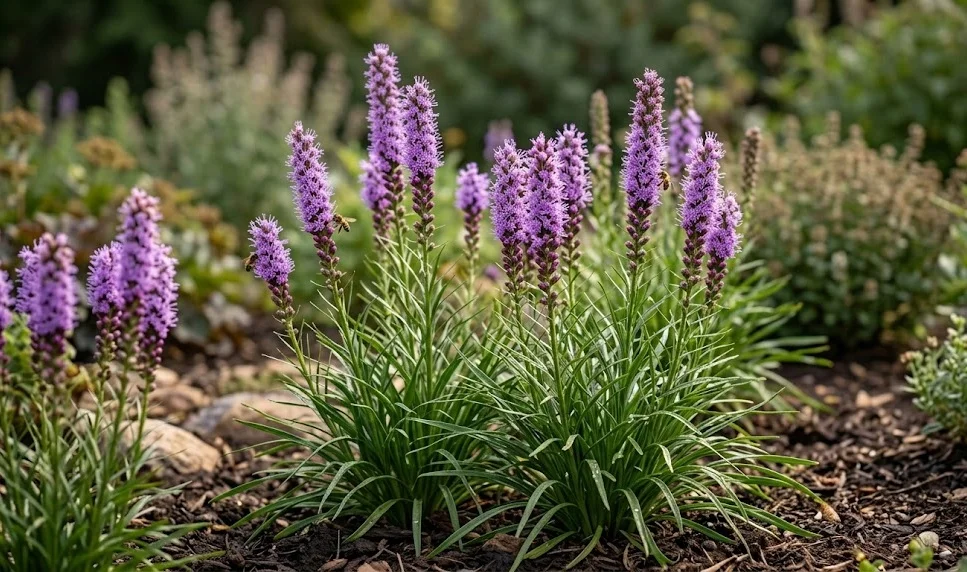

Protecting the dense blazing star from biological threats requires a professional understanding of the various pathogens and insects that can impact its health. While this species is generally robust, it is not entirely immune to the challenges presented by the local environment and fluctuating weather conditions. A proactive strategy focused on prevention and early detection is the most effective way to manage these potential issues. By maintaining a healthy growing environment and monitoring the plants closely, the gardener can ensure that these perennials remain a vibrant part of the landscape.
Common fungal infections
Fungal diseases are among the most frequent issues encountered when growing the dense blazing star, particularly in humid or overcrowded conditions. Powdery mildew is a common culprit, appearing as a white, flour-like dusting on the leaves and stems during the mid-summer months. While it is often primarily an aesthetic problem, severe infestations can weaken the plant by interfering with its ability to photosynthesize. Improving air circulation around the plants and avoiding overhead watering are the primary professional recommendations for managing this fungus.
Rust is another fungal pathogen that can occasionally affect this species, manifesting as small, orange or brown pustules on the undersides of the leaves. This disease thrives in cool, damp weather and can spread quickly through a dense planting if not addressed. Affected foliage should be removed and destroyed immediately to prevent the spores from overwintering in the garden debris. Professionals may also use preventative organic fungicides in areas where rust is a known recurring problem for native perennials.
Leaf spot diseases can also occur, resulting in dark, circular lesions that may eventually cause the leaf to yellow and drop prematurely. These fungi are often spread by splashing water, highlighting the importance of a thick mulch layer to prevent soil-borne spores from reaching the leaves. If leaf spot becomes a significant issue, thinning out the planting to increase light penetration can help the foliage dry more quickly. A professional gardener focuses on cultural controls as the first line of defense against these common foliar pathogens.
In all cases of fungal infection, sanitation is the key to preventing the spread of the disease to healthy neighboring plants. All diseased plant material should be carefully gathered and removed from the site rather than being added to the compost pile. This prevents the pathogens from being cycled back into the garden soil in future years. Consistency in these basic maintenance tasks is what separates a professional operation from a more casual approach to plant health.
More articles on this topic
Soil-borne pathogens and root issues
The most serious health threat to the dense blazing star is crown and root rot, which is typically caused by soil-borne fungi in overly wet conditions. This condition often manifests as a sudden wilting of the plant even when the soil is moist, followed by the browning and collapse of the stems. Upon inspection, the underground corms may appear soft, mushy, and may even have a foul odor. Because this issue is often fatal for the plant, the emphasis must be entirely on prevention through proper site selection and drainage management.
Pythium and Phytophthora are common genera of water molds that thrive in saturated soils and can quickly destroy a healthy root system. Once these pathogens are present in the soil, they can persist for years, making it difficult to grow susceptible species in the same location. A professional will ensure that any area designated for these perennials is thoroughly checked for drainage issues before planting begins. If rot is discovered, the affected plants and some of the surrounding soil should be removed to limit the spread of the infection.
Vascular wilt diseases can also occasionally affect this species, causing individual stems or the entire plant to collapse as the internal water-conducting tissues are blocked. These issues are often more difficult to diagnose because the symptoms can mimic those of simple drought or root damage. A professional diagnosis may be necessary if a large number of plants are affected simultaneously without an obvious environmental cause. Maintaining the overall vigor of the plants through proper nutrition and watering is the best defense against these opportunistic pathogens.
Proper irrigation techniques are the most effective tool for preventing the development of root-related diseases in the garden. Watering deeply but infrequently allows the surface of the soil to dry out, which discourages the growth of many harmful soil fungi. Ensuring that the crown of the plant is not buried too deeply also prevents moisture from being trapped against the base of the stems. These small but critical details in the planting and care process are what define a professional approach to long-term plant health.
More articles on this topic
Management of common garden pests
While the dense blazing star is relatively pest-resistant, it can occasionally be targeted by generalist garden insects such as aphids and spider mites. Aphids typically congregate on the tender new growth or the developing flower spikes, where they suck the nutrient-rich sap from the plant. A small population is rarely a cause for concern and can often be managed by local predatory insects like ladybugs or lacewings. For larger infestations, a strong blast of water from a hose is often enough to dislodge the pests without harming the plant.
Spider mites are more likely to appear during hot, dry periods and can be identified by the fine webbing they produce on the undersides of the leaves. Their feeding activity causes a characteristic stippling or bronzing of the foliage, which can eventually lead to leaf drop if left unchecked. Increasing the local humidity around the plants and ensuring they are not drought-stressed can help prevent mite outbreaks. In a professional setting, the use of insecticidal soaps may be considered if the damage becomes significant enough to impact the plant’s health.
Slugs and snails can be a nuisance for young plants or those emerging in the early spring, especially during particularly wet seasons. These mollusks feed on the tender foliage and can cause significant damage to the developing crowns if the population is high. Maintaining a clean garden area and using barriers like copper tape or diatomaceous earth can help protect vulnerable specimens. A professional gardener monitors for these pests during the early morning or evening hours when they are most active.
In rare cases, borers may find their way into the thick, fleshy stems of the dense blazing star, causing the spikes to wilt or break. These pests are more difficult to manage because they are protected once they are inside the plant tissue. Removing and destroying any stems that show signs of boring activity is the best way to prevent the larvae from completing their life cycle. This kind of targeted, physical intervention is often more effective and environmentally friendly than broad-spectrum chemical treatments.
Integrated pest management strategies
A professional approach to pest and disease control is centered on the principles of Integrated Pest Management (IPM), which prioritizes ecological balance. This strategy involves regular monitoring to identify potential issues before they become major problems that require intensive intervention. By understanding the life cycles of both the pests and their natural enemies, the gardener can make more informed decisions about when and how to act. This holistic view of the garden as a miniature ecosystem leads to more sustainable and healthy results.
Encouraging a diverse population of beneficial insects is one of the most effective ways to keep common pests in check naturally. Planting a variety of nectar-producing flowers alongside the dense blazing star provides a food source for the predators that prey on aphids and mites. This creates a self-regulating system where the need for external inputs is minimized over time. Avoiding the use of broad-spectrum pesticides is a key part of this strategy, as these chemicals often kill the beneficial insects as well as the pests.
When an intervention is necessary, the professional gardener always chooses the least toxic option that will be effective for the specific problem at hand. This might involve manual removal, the use of pheromone traps, or the application of organic oils and soaps. Chemical pesticides are considered a last resort and are only used in a targeted manner when all other methods have failed. This disciplined approach protects the health of the gardener, the environment, and the visiting pollinators that the dense blazing star attracts.
Educating oneself about the specific pests and diseases common in the local region allows for a more proactive and successful management plan. Every geographical area has its own set of challenges, and staying informed about local outbreaks can provide a valuable head start. Joining professional horticultural networks or consulting with local agricultural extensions can provide access to the latest research and best practices. This commitment to ongoing learning is a fundamental characteristic of a professional in the field of horticulture.
Environmental stress and plant resilience
Many of the issues perceived as diseases are actually the result of environmental stressors that weaken the plant’s natural defenses. Extreme heat, prolonged drought, or sudden changes in temperature can all cause the dense blazing star to exhibit symptoms of distress. A professional gardener focuses on mitigating these stresses through proper cultural practices like mulching and strategic irrigation. A resilient plant is far more capable of withstanding the occasional pest or pathogen without significant damage.
Competition from invasive plants or overly aggressive neighbors can also sap the energy of the dense blazing star, making it more vulnerable. Regularly thinning out the surrounding vegetation ensures that the plant has the light and nutrients it needs to maintain a strong immune system. This spatial management is an often-overlooked aspect of plant health that is essential for a professional-grade garden. The goal is to create an environment where each individual can reach its full genetic potential for health and beauty.
The impact of urban environments, such as air pollution and soil compaction, can also play a role in the health of garden plants. In these settings, extra care must be taken to ensure that the soil remains aerated and that the plants are not subject to excessive stress. Choosing the most robust cultivars and providing optimal growing conditions can help offset some of the challenges of urban gardening. A professional understands that the context of the garden is just as important as the plants themselves.
Finally, accepting a certain level of natural variation and minor cosmetic damage is part of a mature and professional perspective on gardening. A perfect, sterile environment is neither achievable nor desirable in a living, breathing landscape. By focusing on the overall health and vitality of the population, the gardener can appreciate the beauty of the dense blazing star in all its stages. This balanced approach leads to a more rewarding and sustainable relationship with the natural world.